




Why the Shift to Serenity?
The hustle of mainstream beach destinations can often feel like a city transplanted onto the sand. The loud music, the fight for a spot on the shore, and the commercialised shacks are leading many travellers to seek something more genuine. This trend
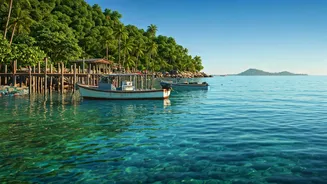
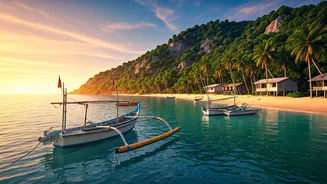
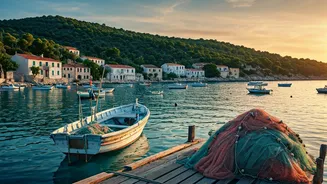
is about trading the party for peace. It’s a desire for connection—with nature, with local culture, and with a slower pace of life. These fishing villages offer a glimpse into a world where the rhythm of the day is dictated by the tides, not by tourist schedules. It’s about enjoying the simple pleasures: watching fishermen haul in their daily catch, eating seafood that was in the ocean just hours ago, and falling asleep to the sound of waves, not traffic.
Vengurla, Maharashtra: Cashews and Quiet Coves
Nestled in the southern Konkan region, Vengurla is a world away from the busy beaches further north. This small port town is famed for its lush cashew, coconut, and mango groves that stretch right up to the coastline. Its beaches, like Nivati and Shiroda, are pristine, often deserted stretches of white sand. Unlike commercial hubs, the vibe here is distinctly local. You can explore the Dutch Factory, an old trading post, or visit the Vengurla Rocks, also known as Burnt Islands, a haven for birdwatchers. The experience is less about organised activities and more about impromptu discoveries—finding a hidden cove, chatting with local fishermen, or simply enjoying a sunset in absolute solitude. It’s the perfect escape for those looking to disconnect and recharge.
Mararikulam, Kerala: Backwaters Meet the Beach
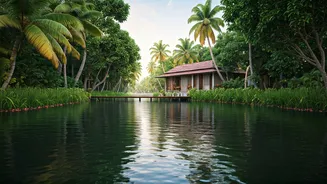
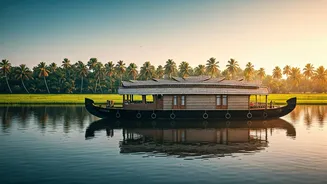
Often overshadowed by its famous neighbours Alleppey and Kochi, Mararikulam (or Marari Beach) offers a unique blend of Kerala’s coastal and backwater charm. It’s an active fishing village where you can witness the traditional ‘chaakara’—a phenomenon where shoals of fish are drawn to the shore. The beach is long, clean, and lined with coconut palms, but the real magic lies in its unhurried atmosphere. The area is dotted with homestays that offer an authentic experience of Keralan hospitality. You can cycle through the village lanes, learn about the local coir-making industry, or simply relax in a hammock. It’s the ideal spot for travellers who want the beauty of Kerala’s coast without the crowds, combining beach relaxation with rich cultural immersion.
Tranquebar, Tamil Nadu: A Slice of Danish History
Officially known as Tharangambadi, which translates to ‘land of the singing waves,’ this village on the Coromandel Coast is a historical gem. For over 200 years, it was a Danish colony, and its unique colonial architecture still stands today. The most striking landmark is the formidable Dansborg Fort, overlooking the Bay of Bengal. The streets are a quiet mix of restored colonial bungalows and traditional Tamil homes. Walking through Tranquebar feels like stepping back in time. The beach itself is windswept and rugged, more suited for contemplative walks than for swimming. It attracts history buffs, artists, and writers who come seeking inspiration from its tranquil and storied past. It's a destination that offers intellectual and soulful nourishment, far from the typical beach holiday.
Gopalpur-on-Sea, Odisha: Old-World Grandeur
Once a bustling seaport during the British era, Gopalpur-on-Sea in Odisha now exudes a feeling of faded grandeur and peaceful decay. The crumbling old jetty and the colonial-era lighthouse are testament to its past glory. Today, it’s a serene fishing village with a long, golden beach frequented more by locals than tourists. The waters are relatively calm, making it pleasant for a dip. The local fishermen, with their distinctive conical hats, are a common sight, and their daily rituals add to the village's character. Gopalpur serves as a great base to explore nearby attractions like Chilika Lake, Asia's largest brackish water lagoon and a paradise for bird lovers. It’s a destination for those who appreciate history, nature, and the quiet dignity of a place that time seems to have forgotten.