







The Blue Light Bogeyman
The primary culprit in the phone-sleep debate is blue light. All screens—phones, tablets, laptops, and TVs—emit this high-energy visible light. During the day, that's not a problem. But at night, it becomes a major disruptor. Our brains are wired to associate
darkness with sleep. When it gets dark, a gland in the brain called the pineal gland begins to release melatonin, the hormone that makes us feel drowsy. Exposure to blue light at night tricks our brains into thinking it's still daytime. This suppresses melatonin production, which can delay the onset of sleep and disrupt our body's internal clock, also known as its circadian rhythm. This makes it harder to fall asleep, stay asleep, and can lead to lower quality rest, leaving you groggy the next day.
Is 'Night Mode' a Magic Bullet?
In response to growing awareness, smartphone makers introduced features like 'Night Mode' or 'Night Shift'. These settings adjust the screen's colour temperature, reducing the amount of blue light in favour of warmer, yellow-orange tones. While this is a helpful step, it's not a complete fix. Some studies suggest that while these filters reduce blue light, their overall effect on improving sleep quality may be minimal. The reason is simple: blue light is only part of the problem. The very act of using your phone can be stimulating. Checking emails, scrolling through social media, or playing a game keeps your brain active and engaged, which is the opposite of what you need when trying to wind down. Even seeing something that causes a strong emotional reaction—be it happiness or anger—can make it harder to relax into sleep.
More Than Just Light: The Mental Toll
Beyond the biological effects of light, the psychological impact of our phones is a significant barrier to sleep. Constant notifications create a sense of obligation, making it difficult to fully disconnect. The endless scroll on social media apps is designed to be engaging, even addictive, keeping our minds buzzing with information, comparisons, and worries. This state of mental arousal can increase heart rate and alertness, delaying the natural transition to sleep. Essentially, even if you filter out all the blue light, you are still telling your brain that it needs to be 'on' and ready to process information, which works directly against the process of falling asleep. The habit of keeping your phone by the bed also means you're more likely to be disturbed by notifications during the night or reach for it first thing in the morning, bypassing any chance of a gentle wake-up.
Your Phone as a Sleep Ally?
It’s not all bad news. The same device that can disrupt your sleep also has features designed to protect it. Many Android and iOS phones now have a 'Bedtime Mode' or 'Sleep Focus'. These tools go beyond simply changing screen colours. They can be scheduled to automatically silence notifications, calls, and texts during your designated sleep hours, creating a digital barrier against distractions. Some modes will even turn your screen to grayscale, making it less visually appealing and reducing the temptation to keep scrolling. Setting a bedtime alert can serve as a powerful reminder to start your wind-down routine. You can also use your phone to play calming music, guided meditations, or white noise—all of which can aid in relaxation and help you drift off.
Crafting a Digital Sunset
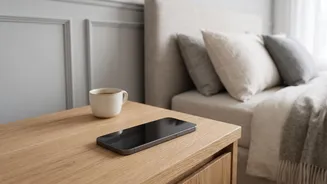
The key isn't to demonise phones but to manage them. Creating a healthy pre-sleep routine, often called 'sleep hygiene', is crucial. The most effective strategy is to establish a 'digital curfew'—put your phone away at least 30 to 60 minutes before you intend to sleep. Use this time for screen-free activities that help you relax, such as reading a physical book, gentle stretching, journaling, or listening to calm music. If you must have your phone in the bedroom, charge it across the room, not on your nightstand. This prevents the temptation of a final scroll and forces you to get out of bed to turn off your alarm in the morning. By using your phone's own tools to set boundaries and being mindful of your habits, you can transform it from a sleep saboteur into a useful, but not essential, part of your day.