




A New Definition of 'Aspirational'
For years, an international stamp in the passport was the ultimate travel goal. Today, a growing number of young professionals are redefining what it means to have an aspirational vacation. It’s less about familiar foreign shores and more about discovering
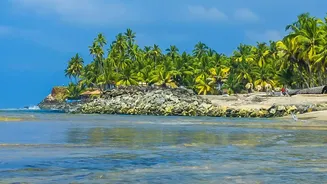
unique, exclusive experiences within India. The social media buzz, particularly following Prime Minister Narendra Modi's visit in early 2024, catapulted Lakshadweep into the national consciousness, with search interest spiking dramatically. This created a sense of national pride and curiosity, turning the archipelago into a must-see destination for those who want to explore India's own treasures. The appeal lies in its relative obscurity; it’s a destination that feels untouched and special, a stark contrast to the often-crowded beaches of Southeast Asia.
The Powerful Pull of Sustainable Travel
The term “eco-resort” is no longer just a buzzword; it’s a key decision-making factor for millennial and Gen Z travellers. Recent surveys from 2026 show that an overwhelming majority of young Indians—88% of millennials and 82% of Gen Z—want to travel more sustainably. They are actively seeking destinations that prioritize environmental preservation and benefit local communities. Lakshadweep, with its fragile coral ecosystem, is being developed with a sustainable tourism model in mind. New properties, including luxury tents and upcoming Taj resorts, are being built with an emphasis on eco-friendly practices. This resonates deeply with a generation that wants their travel spending to have a positive impact, preferring to leave a place better than they found it.
Exclusivity Without the International Price Tag
While an international trip comes with costs like visa fees, currency conversion, and expensive flights, Lakshadweep offers a perception of luxury and remoteness at a more accessible price point. A 5-day trip to Lakshadweep can cost between ₹35,000 and ₹60,000, whereas a similar trip to the Maldives often starts at ₹80,000 and can go much higher. While not a budget destination, Lakshadweep provides a sense of exclusivity that rivals premium international spots. The requirement of an entry permit, though recently simplified, adds to this feeling of a well-planned, special journey rather than a spontaneous, common one. It’s a way to experience pristine, quiet beaches and world-class diving without the logistical and financial hurdles of going abroad.
Adventure in Untouched Waters
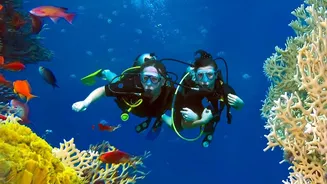
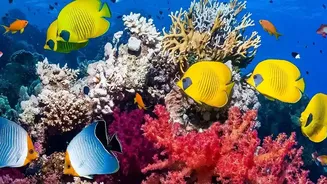
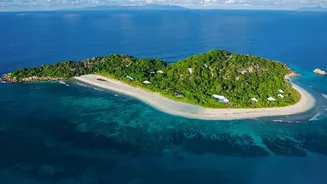
Beyond the beaches, Lakshadweep is an adventurer's paradise, home to some of the most undisturbed marine ecosystems in the Indian Ocean. The clear, turquoise lagoons of islands like Bangaram and Kadmat are ideal for activities like scuba diving, snorkeling, and kayaking. The underwater visibility is often exceptional, offering encounters with vibrant coral gardens, sea turtles, and manta rays. For many young professionals, the experience of diving in these pristine waters is a major draw. The development of new eco-tourism hotspots on islands like Thinnakara and Cheriyam, focusing on activities like night kayaking and undersea walking, further expands the appeal for those seeking active and immersive holidays.
Improved Access and a Glimpse of the Future
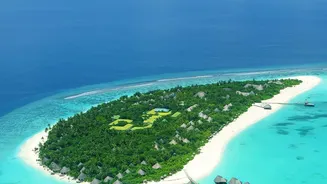
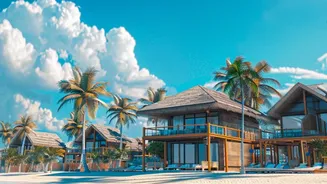
What once seemed like a destination locked behind complex logistics is steadily becoming more accessible. The government has simplified permit rules, removing the need for local sponsors or police clearances, making independent and family travel easier. This is part of a larger plan to develop the islands' infrastructure, including an expanded airport at Agatti and a potential new airfield at Minicoy. Furthermore, the arrival of major hospitality brands like Taj, which is developing India's first overwater villas on Suheli and Kadmat islands expected to open in 2026, signals a new era of luxury tourism. This blend of current raw beauty and future comfort makes this the perfect time to visit—before it becomes a mainstream global hotspot.