

A Permanent Mindset, Not a Temporary Fix
The shift toward low-water landscaping, often called xeriscaping, is moving from a niche practice to a mainstream movement. Initially popular in arid regions, its principles are being adopted widely, even in areas with ample rainfall. The reason is simple:
homeowners are discovering that a garden designed to be water-wise is also remarkably resilient and often easier to care for. This isn't about sacrificing lushness for a landscape of rocks and cacti. Instead, it’s about making smart choices that create a beautiful, functional outdoor space that works with the local environment, not against it. It's a long-term strategy for a more sustainable and enjoyable relationship with our yards.
Redefining Garden Beauty
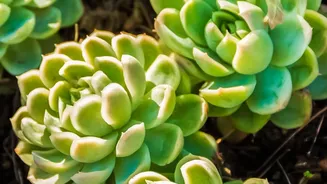
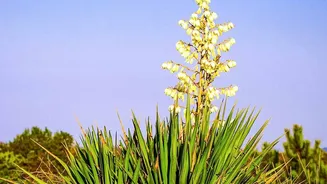
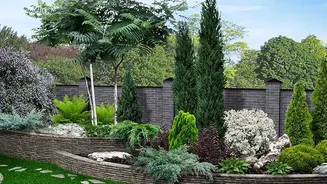
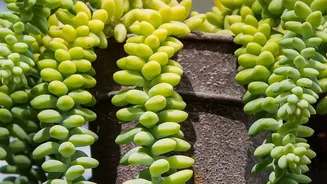
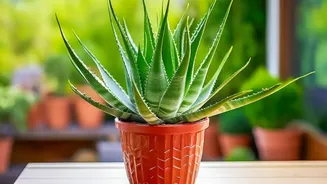
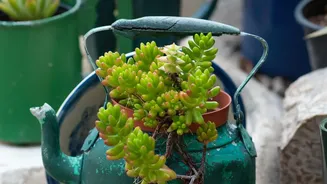
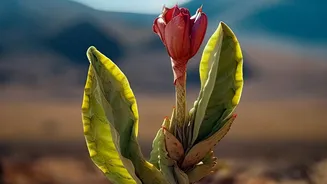
A common misconception about low-water gardening is that it's aesthetically limited. The reality is a vibrant palette of textures and colours. Drought-tolerant does not mean drab. Gardeners can choose from a vast selection of stunning plants like the fiery red blooms of a Red Yucca, fragrant Desert Willows, or the architectural spikes of Agave. The design principles focus on grouping plants with similar water needs, using mulch to retain moisture, and limiting thirsty turf grass. This thoughtful approach often results in a more dynamic and visually interesting garden that offers year-round appeal, challenging the traditional ideal of a uniform green lawn. The result is a unique curb appeal that can even increase property value.
Creating an Ecological Haven
Beyond aesthetics, the move to low-water gardening has profound ecological benefits. By prioritizing native plants, gardeners create vital habitats for local wildlife, including essential pollinators like bees and butterflies. These plants are naturally adapted to the local climate and soil, which means they require fewer, if any, chemical fertilizers and pesticides. This reduction in chemical use prevents harmful runoff into waterways and promotes healthier soil. The deep root systems of many drought-tolerant plants also improve soil structure, increasing its ability to absorb and retain water, which helps reduce erosion and mitigate the effects of future dry spells.
Reclaiming Your Time and Money
One of the most compelling arguments for low-water gardening, beyond water conservation itself, is the significant reduction in maintenance. Traditional lawns require constant mowing, watering, and fertilizing—a cycle of time-consuming and often costly chores. A well-designed xeriscape can cut landscape maintenance time and costs dramatically. With less lawn to mow and fewer demanding plants, homeowners find they have more time to simply enjoy their outdoor spaces. The financial savings are also significant, stemming from lower water bills and reduced spending on fertilizers, pesticides, and gas for lawn equipment.