




Your Daily Cup of Tea
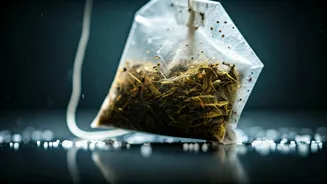
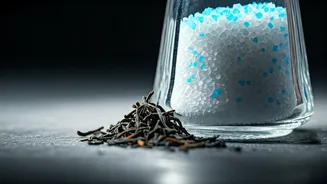
That relaxing cup of tea might come with a side of plastic you never ordered. Many popular tea bags, especially the pyramid-shaped 'silken' ones, are made from plastics like nylon or polyethylene terephthalate (PET). When steeped in hot water, these bags can
shed billions of microplastic and even smaller nanoplastic particles into your brew. One 2019 study from McGill University found a single plastic tea bag steeped at 95°C released around 11.6 billion microplastics into the cup. Even paper tea bags are often not entirely plastic-free, as many use a plastic sealant like polypropylene to hold them together.
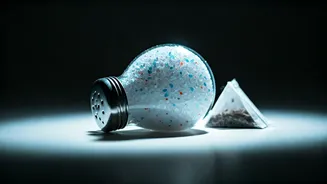
A Pinch of Plastic in Your Salt
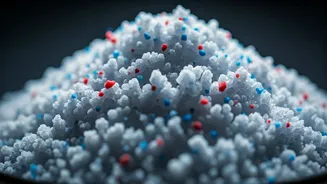
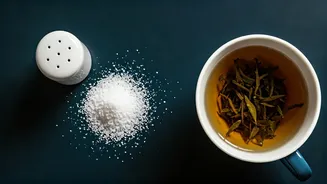
Salt is a kitchen staple, but studies have shown it's frequently contaminated with microplastics. Sea salt is particularly affected because it's produced by evaporating seawater, which is now filled with plastic waste. A global study found that over 90% of salt brands sampled contained microplastics, with the highest quantities found in sea salt sourced from Asia, a known hotspot for plastic pollution. The contamination comes from larger plastic items breaking down in the ocean. While rock salt and lake salt tend to have lower concentrations, they are not always entirely free of plastic particles either.
The Trouble with Bottled Water
Opting for bottled water might seem like a pure choice, but it can be a significant source of microplastics. Research has consistently found that bottled water contains substantially more plastic particles than tap water. The plastic itself seems to come from the bottle and the cap during the packaging process and from everyday use. One study found an average of 325 plastic particles per litre of bottled water, with some brands containing thousands.
Seafood on the Plastic Menu
It’s no surprise that seafood contains microplastics. Marine animals often mistake tiny plastic fragments for food, causing the particles to enter the food chain. Shellfish like mussels, oysters, and shrimp can be particularly high in microplastics because they are filter feeders, consuming large volumes of water along with any contaminants. While larger fish are also exposed, the plastics tend to accumulate in their digestive tracts, which are often removed before eating. However, contamination is still a concern for all marine life.
More Surprising Sources
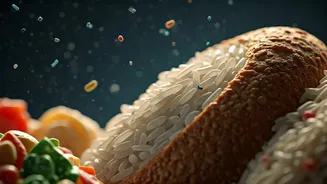
The list of contaminated foods continues to grow. Studies have detected microplastics in rice, with instant or pre-cooked versions containing significantly more than uncooked rice. Washing rice before cooking can help reduce the plastic content. Microplastics have also been found in honey, beer, and even fresh produce like apples and carrots, which may absorb tiny particles from contaminated soil and water. Highly processed foods, such as chicken nuggets or plant-based meat alternatives, also tend to have higher levels, likely due to the extensive processing and packaging involved.
What Does This Mean for Our Health?
The science on the health impacts of ingesting microplastics is still emerging. Particles have been detected in various human organs, including the lungs, liver, and even the placenta. Laboratory studies suggest potential links to inflammation, oxidative stress, and disruption of the immune and reproductive systems. However, there is not yet definitive evidence to show that the levels found in food pose a direct risk to human health, and regulatory bodies like the FDA state that more research is needed. The concern is not just about the plastic itself, but also the harmful chemicals they can carry.