



From Sightseeing to Soul-Searching
The traditional family vacation, packed with whirlwind tours of popular monuments and cities, is making way for a more intentional kind of travel. Today, an increasing number of Indians are looking for journeys with a purpose. They are trading crowded
tourist spots for quiet retreats, generic package tours for bespoke experiences, and passive observation for active participation. Travel is no longer just a break from work; it is becoming a means of personal growth, well-being, and genuine discovery. This shift reflects a broader cultural change where experiences are valued more than possessions, and self-care is seen as a necessity, not an indulgence.
The Great Indian Burnout
One of the biggest drivers of this trend is the demanding nature of modern work culture. Hectic schedules, digital overload, and high-stress environments have left many urban professionals feeling drained and disconnected. As a result, travel is being redefined as an antidote to burnout. The wellness tourism market in India is booming, expected to grow significantly from its 2026 value of over USD 30 billion. Travellers are actively seeking out yoga retreats in Rishikesh, Ayurvedic treatments in Kerala, and digital detoxes in secluded resorts. These 'recharge' trips focus on mental and physical rejuvenation, offering structured programs for stress management, mindfulness, and holistic healing. The goal is no longer just to escape work, but to recover from it and return with a renewed sense of balance.
Exploring Beyond the Obvious
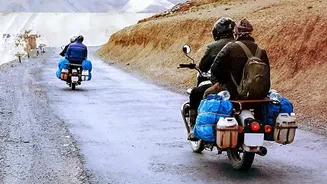
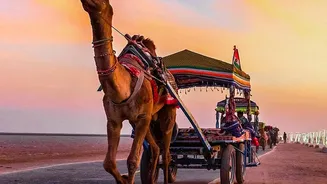
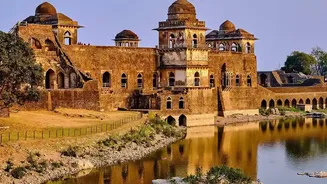
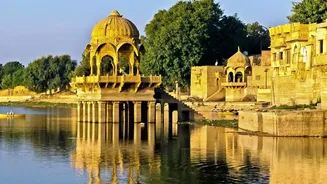
Alongside the need to recharge is a powerful desire to explore. But 'exploration' today means something different. Fuelled by social media and a growing curiosity for the unconventional, travellers are venturing off the beaten path. They are seeking authenticity and deeper cultural immersion, which checklist tourism often fails to provide. This has given rise to slow travel, where the focus is on spending quality time in one place rather than rushing through several. It also powers the boom in solo travel, which allows individuals the freedom to pursue their own interests at their own pace. From heritage walks in Jaipur's old city to camel safaris in the Thar Desert and homestays in remote Himalayan villages, Indians are choosing experiences that offer a genuine connection to a place and its people.
The Rise of the Skill-Cation
The third pillar of this new travel mindset is learning. The 'skill-cation', a trip dedicated to acquiring a new skill, is rapidly gaining popularity, especially among younger Indians. These are not academic courses, but hands-on, experiential learning opportunities that are both fun and fulfilling. People are travelling to learn everything from pottery and cheesemaking to surfing, hairstyling, and sustainable farming. This trend is driven by a desire for self-improvement and the satisfaction of returning from a holiday with more than just souvenirs. For many, it's a chance to pursue a passion, develop a new hobby, or simply engage their minds in a new way, away from the pressures of daily life.
What's Fuelling the Change?
Several factors are converging to power this evolution in travel. Rising disposable incomes and improved connectivity have made travel more accessible to a wider segment of the population, including those from Tier II and III cities. The rise of digital booking platforms and online communities makes it easier to plan and undertake independent, interest-based travel. Furthermore, a post-pandemic re-evaluation of life priorities has led many to prioritize mental health and meaningful experiences. Travel is increasingly seen as an investment in oneself, a way to build confidence, gain new perspectives, and create lasting memories.