

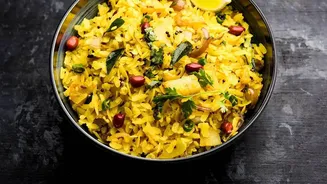
1. Swap White Rice for Millets
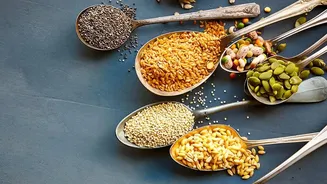
For generations, white rice has been the foundation of countless Indian meals. However, its high glycemic index and low fibre content have led many to seek healthier alternatives. Enter millets like jowar (sorghum), bajra (pearl millet), and ragi (finger
millet). These ancient grains are making a comeback for good reason. They are naturally gluten-free, rich in fibre, and packed with essential minerals. Ragi is a calcium powerhouse, bajra is rich in iron, and jowar is excellent for its high fibre content. Making the switch can support better blood sugar regulation, improve digestion, and increase your intake of vital nutrients. A simple start is to blend millet flour with your regular wheat atta or mix millets with rice.
2. Swap Refined Wheat Flour for Alternatives
While whole wheat flour is a staple, highly refined versions (maida) are common in breads and snacks. Health-conscious consumers are now exploring alternatives like amaranth (rajgira) and buckwheat (kuttu) flour. Both are gluten-free powerhouses. Amaranth is a complete protein, containing all essential amino acids, and is rich in iron, magnesium, and calcium. Buckwheat is loaded with antioxidants and is known for its potential to support heart health and control blood sugar. These flours can be used to make everything from rotis to pancakes, offering a nutrient-dense alternative to refined wheat.
3. Swap Refined Sugar for Natural Sweeteners
The detrimental effects of excess white sugar are well-documented, prompting a search for healthier ways to satisfy sweet cravings. Traditional Indian sweeteners like jaggery (gur) and newer options like coconut sugar are gaining popularity. Jaggery, an unrefined sugar, retains minerals like iron and magnesium. Coconut sugar has a lower glycemic index than table sugar and contains trace nutrients. While these are better alternatives, they should still be used in moderation. For a zero-calorie option, stevia, a plant-based sweetener, is also becoming a popular choice.
4. Swap Refined Vegetable Oils for Cold-Pressed Oils
The choice of cooking oil significantly impacts health. Many households are moving away from heavily processed, refined oils that are stripped of their natural nutrients during high-heat processing. The swap is towards cold-pressed oils like mustard, coconut, and groundnut oil. The cold-pressing technique extracts oil without heat, preserving the natural antioxidants, vitamins, and flavour of the seeds. Cold-pressed mustard and groundnut oils have high smoke points suitable for Indian cooking, offering a healthier, more flavourful base for daily meals.
5. Swap Potato Chips for Roasted Makhana
The quintessential evening snack, the potato chip, is facing a serious challenger: makhana (fox nuts). While potato chips are often deep-fried, high in calories, and offer little nutritional value, roasted makhana is a game-changer. Makhana is low in calories and fat, yet rich in protein and minerals like magnesium. Flavoured and roasted makhana can satisfy the craving for a crunchy, savoury snack without the associated guilt and unhealthy fats, making it a clear winner for health-conscious snackers.
6. Swap Paneer for Tofu or Soya Chunks
Paneer is a beloved protein source for vegetarians, but for those looking to diversify their protein intake or reduce dairy, other options are emerging. Tofu, made from soybean curd, is an excellent substitute. It has a similar texture to paneer and is brilliant at absorbing the flavours of masalas and marinades. Soya chunks are another high-protein, plant-based alternative that mimics the texture of meat and works well in curries and biryanis. Both tofu and soya are versatile, protein-packed alternatives for modern Indian cooking.
7. Swap Dairy Milk for Plant-Based Milks
The dairy aisle is expanding with a variety of plant-based milks, catering to those with lactose intolerance, dietary preferences, or environmental concerns. Soy milk stands out for its high protein content, comparable to dairy milk. Almond milk is a lower-calorie option, while oat milk is prized for its creamy texture, making it great for coffee and tea. Coconut milk remains a staple for cooking, especially in creating rich, creamy curries.
8. Swap White Bread for Sourdough
The humble sandwich slice is getting an upgrade. Instead of standard white bread, which can cause blood sugar spikes, many are choosing sourdough. The natural fermentation process used to make sourdough bread breaks down some of the gluten and phytic acid, making it easier to digest and its nutrients more available for absorption. It also tends to have a lower glycemic index compared to conventional white bread, resulting in a more stable energy release.
9. Swap Cream-Based Gravies for Yogurt or Tomato
Rich, creamy gravies are a hallmark of celebratory Indian cuisine, but they often come loaded with fat. A simple, healthy swap is to replace heavy cream with thick yogurt (hung curd) or a well-cooked tomato puree. Yogurt adds a pleasant tang and creaminess without the excess fat, especially when stirred in at the end of cooking. This substitution dramatically lightens dishes like butter chicken or palak paneer, allowing the spices to shine through without the heaviness of cream.
10. Swap Sugary Drinks for Coconut Water or Infused Water
Liquid calories from sugary sodas and packaged juices are a significant source of hidden sugars. The healthier swap is for natural, hydrating beverages. Coconut water is a fantastic choice, as it's naturally sweet, hydrating, and packed with electrolytes. Another alternative is homemade infused water—think chilled water with slices of lemon, cucumber, or mint. These drinks are refreshing and flavourful without adding any processed sugar to your diet.