


More Than Just a Meal
In the bustling metropolises of India, from Mumbai to Bengaluru, a heartwarming trend is taking root in the kitchens of young professionals. After long days in a hyper-connected, fast-paced world, many are finding solace not in takeaways, but in recreating
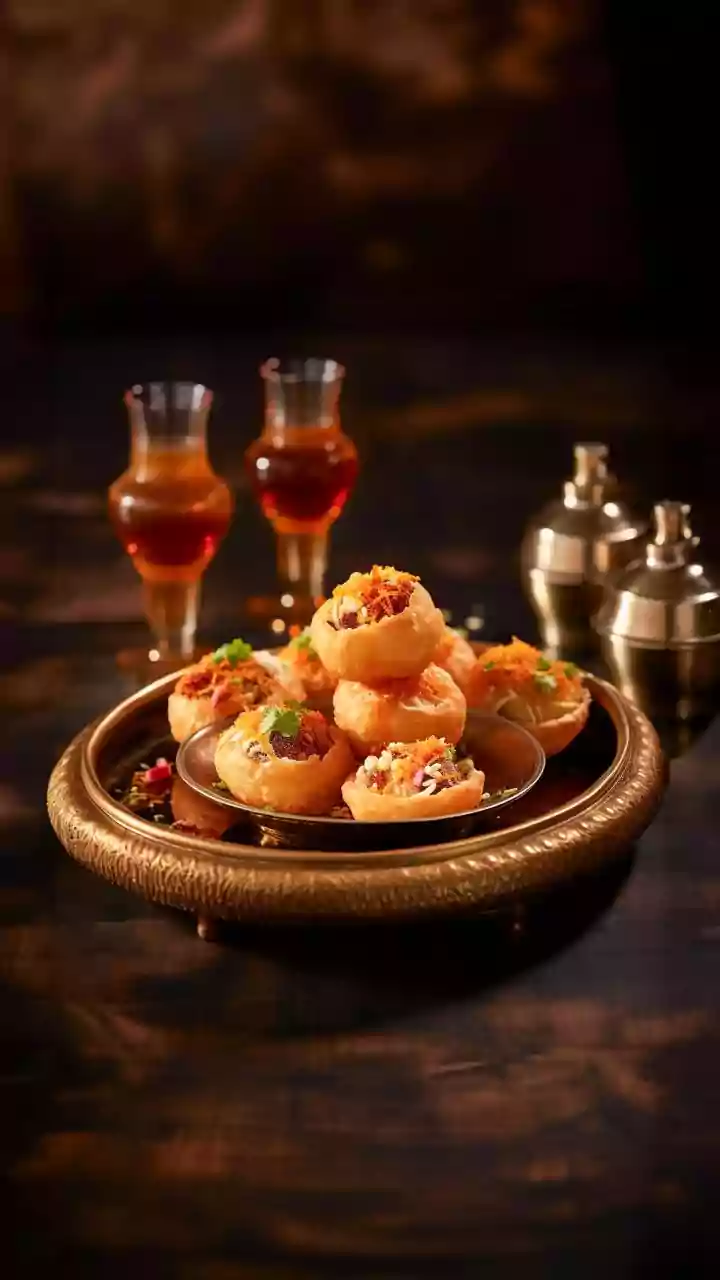
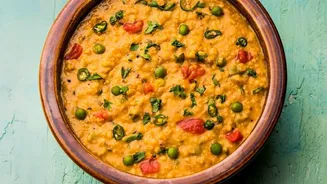
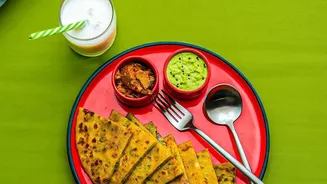
the dishes of their childhood. This isn't about mastering complex gourmet recipes. Instead, it’s about the simple, soul-satisfying food that tastes like home: a parent's signature dal, a grandmother's secret masala blend, or a festive sweet remembered from a village holiday. This culinary shift is driven by a powerful emotion: nostalgia. For many young Indians who have moved to cities for work or education, food has become a primary bridge to their families and heritage. The act of cooking a familiar meal is a way to feel grounded, to recreate a sense of belonging and comfort miles away from home. It's about finding warmth and stability in a pot of slowly simmering rajma or the perfectly puffed roti.
Beyond Butter Chicken and Paneer Tikka
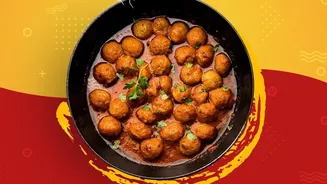
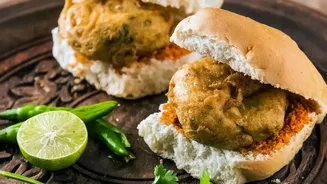
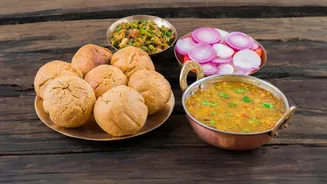
The movement goes deeper than the standard restaurant menu. Young cooks are actively seeking out hyper-regional and family-specific recipes that define their unique cultural identity. They are exploring dishes that tell a story of a particular place and time. Think of a Bihari home cook perfecting Litti Chokha, a Keralite meticulously preparing Avial with the right blend of coconut and vegetables, or someone from Bengal trying to get the stuffing for a Patoli just right. These aren't just meals; they are edible archives of family history. The revival includes once-forgotten dishes and ingredients, bringing a new appreciation for India's vast and varied culinary tapestry. This exploration is a conscious move away from a homogenized, pan-Indian restaurant culture towards something more authentic and personal.
A Recipe for Connection
Interestingly, technology plays a crucial role in this revival of tradition. While recipe blogs and YouTube tutorials offer guidance, the most treasured instructions often come from a phone call home. These conversations, where a mother or grandmother patiently lists ingredients and steps from memory, do more than just transfer a recipe; they strengthen family bonds across distances. Social media platforms like Instagram become digital cookbooks where these young chefs proudly showcase their creations. They share photos of their homemade Puran Poli or a perfectly crisp Dosa, not just as a display of culinary skill, but as a celebration of their heritage. These posts often garner comments and tips from relatives and strangers alike, creating a virtual community bound by a shared love for authentic Indian food. It's a beautiful paradox: a generation using the newest tools to keep the oldest traditions alive.
The Psychology of a Comforting Meal
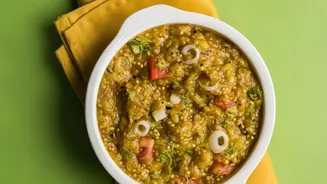
At its heart, this trend is about the psychology of comfort food. These dishes provide more than just sustenance; they offer emotional security and a powerful antidote to the stresses of modern urban life. Food psychologists note that nostalgic meals can trigger memories of safety and happiness from childhood, literally making us feel better. For many, the simple, balanced flavours of a home-cooked meal feel clean and trustworthy compared to the often heavy and standardised fare available outside. In a world of uncertainty, the predictable and deeply satisfying outcome of making and eating a familiar dish like Khichdi or Kadhi Chawal provides a rare sense of control and profound contentment.