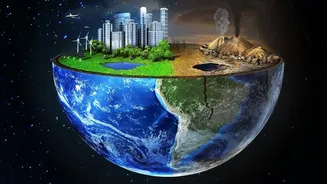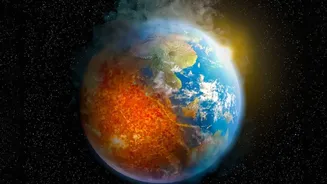






For years, it was a target—a critical guardrail for the planet. Now, the goal of limiting global warming to 1.5°C is slipping away. Recent scientific reports confirm that decades of insufficient climate action mean we will breach this limit.
A Goal Breached, A Future Redefined
The landmark
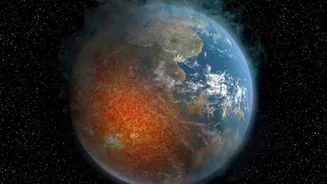
2015 Paris Agreement established a global consensus to limit the planet's warming to well below 2°C, with an ambition for 1.5°C, compared to pre-industrial levels. This wasn't an arbitrary number; it represented a threshold beyond which climate impacts would become significantly more dangerous. Yet, a decade of insufficient action has led to a stark new reality. The United Nations Environment Programme's (UNEP) 2026 Emissions Gap Report has declared that the opportunity to limit warming to 1.5°C with 'no or limited overshoot' is now lost. This means the world is certain to temporarily exceed this critical limit. The conversation among scientists and policymakers has now shifted from preventing the breach to managing its severity—how high temperatures will climb and for how long we will remain in this dangerous territory.
Why is Global Action Stalling?
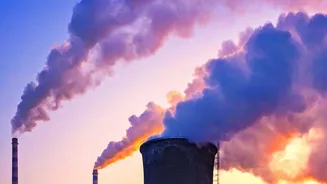
Progress has not just been slow; in some areas, it has ground to a halt or even reversed. A combination of geopolitical instability, economic pressures, and a lack of sustained political will are key culprits. Governments are struggling to align national policies with their international pledges. While there are positive signs, such as the rapid deployment of renewable energy in countries like India and China, these are not yet happening at the scale needed to bend the global emissions curve downward. The Climate Action Tracker, in its latest update, notes that collective climate action has stalled for the fifth year in a row. Current policies have the world on track for around 2.7°C of warming by 2100, a level that would trigger catastrophic and irreversible consequences.
The Sobering Numbers: An Emissions Chasm
The 'emissions gap' is the chasm between the climate promises countries have made and the actual emission cuts required. According to the UNEP, even if all current national pledges are fully implemented, the world is still projected to warm by 2.6°C. To have a fighting chance of limiting the overshoot and returning to 1.5°C by the end of the century, global greenhouse gas emissions need to fall dramatically—by 45% by 2035 compared to 2025 levels. However, current commitments would only cut emissions by 11-15% in that same timeframe. This massive gap highlights a failure in leadership and an urgent need for nations to ramp up their ambitions and, more importantly, their actions.
What It Means for India
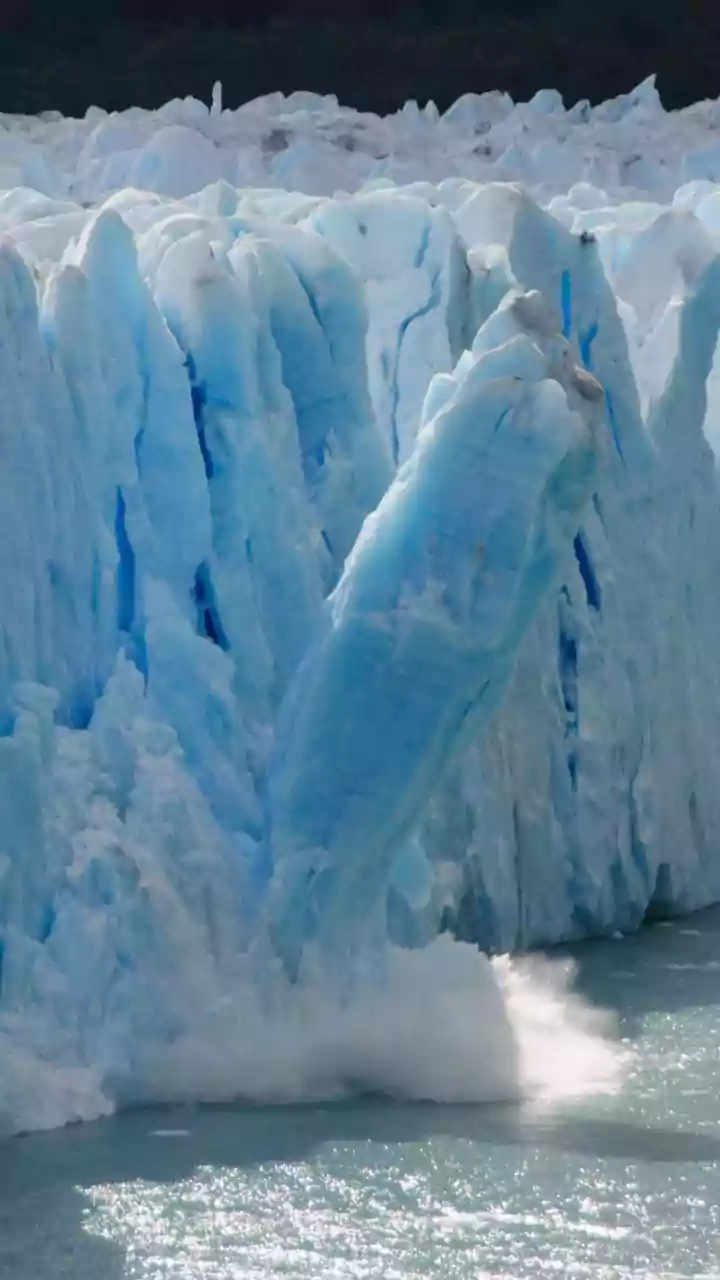
Exceeding the 1.5°C limit isn't an abstract global problem; it has severe, tangible consequences for India and the wider South Asian region. The Hindu Kush Himalayan region, often called the 'Third Pole', is exceptionally vulnerable. Scientists have warned that 1.5°C of global warming translates to a 2°C rise in the mountains, threatening the glaciers that feed Asia's major rivers and support billions of people. Even a temporary overshoot could accelerate glacier melt and sea-level rise, increasing the frequency and intensity of extreme weather events like floods, droughts, and deadly heatwaves. Studies show that at 2°C of warming, hundreds of millions of people in India, Pakistan, and Bangladesh would face substantially increased exposure to potentially lethal heat stress compared to a 1.5°C scenario.
A Narrow Path Forward
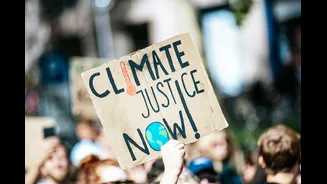
While the 1.5°C target will be breached, giving up is not an option. Every fraction of a degree matters immensely. Limiting the magnitude and duration of the overshoot is now the paramount goal. This requires an unprecedented acceleration of climate action. Key steps outlined by experts include at least tripling global renewable electricity capacity, cutting coal_fired power generation by $75%$ by $2035$, and halting deforestation. It also necessitates the use of carbon dioxide removal technologies to pull emissions back out of the atmosphere later in the century, a strategy that comes with its own risks and uncertainties. The path is narrow and incredibly challenging, but it is the only one that offers a chance to return to a safer climate future.