
From Trash to Treasure?
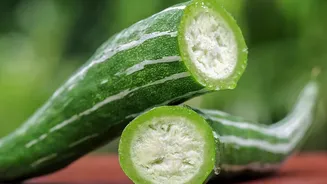
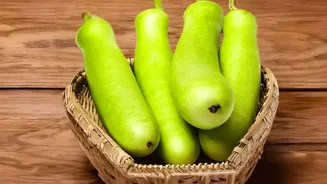
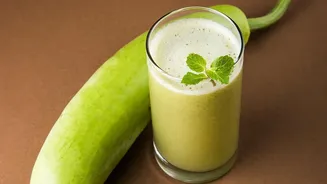
In the quest for a zero-waste kitchen, cooks across India are rediscovering an old truth: vegetable peels are often packed with nutrients. The peel of the bottle gourd, or lauki, is a prime example. While we readily use the flesh for curries and koftas,
the skin is usually discarded. However, this peel is perfectly edible and offers significant nutritional advantages. Studies have shown that bottle gourd peel has a considerably higher concentration of antioxidants, fibre, and bioactive compounds compared to the pulp. It is particularly rich in fibre, which aids digestion, and contains essential vitamins and minerals, including vitamin C and potassium, that contribute to overall health. By using the peels, you not only add a nutrient boost to your diet but also take a meaningful step towards reducing household food waste.
The Golden Rules of Safe Preparation
Before you rush to turn your peels into a delicacy, safety must come first. The outer skin of any vegetable is most exposed to dirt, bacteria, and pesticides. Therefore, thorough cleaning is non-negotiable. Start by washing your hands. Then, place the bottle gourd under plain, cool running water and scrub it firmly with a clean vegetable brush. This is crucial even if you plan to peel the vegetable, as it prevents the transfer of contaminants from the knife to the flesh. For an extra layer of caution against pesticide residues, some studies suggest soaking produce in a solution of vinegar or baking soda and water for up to 30 minutes, followed by a final rinse. However, most food safety authorities agree that a vigorous scrub under running water is sufficient for most produce. Never use soap or detergent to wash vegetables.
A Critical Warning: The Bitterness Test
There is one major safety concern with bottle gourd and other members of the Cucurbitaceae family (like cucumbers and zucchini): bitterness. A distinctly bitter taste is a warning sign of high levels of a toxic compound called cucurbitacin. Ingesting even a small amount of a bitter gourd can lead to severe symptoms within minutes, including nausea, vomiting, diarrhoea, and in serious cases, gastrointestinal bleeding and shock. There is no antidote, and cooking does not destroy the toxin. For this reason, you must perform a simple taste test. Before cooking, taste a tiny piece of the raw peel (or flesh). If it tastes unusually bitter or unpleasant, do not proceed. Discard the entire vegetable immediately. It is not a risk worth taking, as toxicity can be severe.
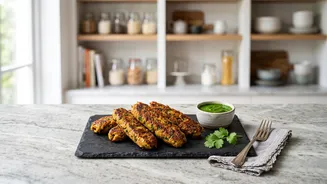
Recipe: Flavourful Lauki Peel Kebabs
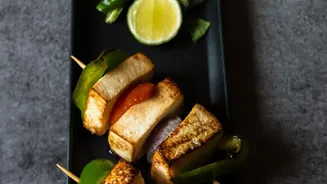
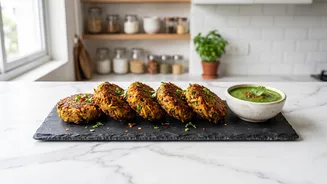
Once your peels have been thoroughly cleaned and passed the bitterness test, you are ready to cook. This simple recipe transforms humble peels into a crispy, flavourful snack. First, take about two cups of the cleaned bottle gourd peels and finely chop them. Lightly boil or steam them for a few minutes until they become tender, then squeeze out all excess water completely. In a large bowl, combine the cooked peels with one cup of besan (gram flour), one finely chopped onion, two green chillies, a handful of fresh coriander, and half a teaspoon of ginger paste. Add spices to taste: half a teaspoon each of red chilli powder, garam masala, and cumin, along with a pinch of turmeric and salt. Mix everything into a firm dough; if it feels too wet, add a little more besan. Let the mixture rest for 10 minutes. Shape the mixture into small, flat patties. Heat a little oil on a tawa or non-stick pan over medium heat. Shallow-fry the kebabs, turning gently, until they are golden brown and crisp on both sides. Serve them hot with mint chutney or your favourite sauce.
Beyond the Kebab
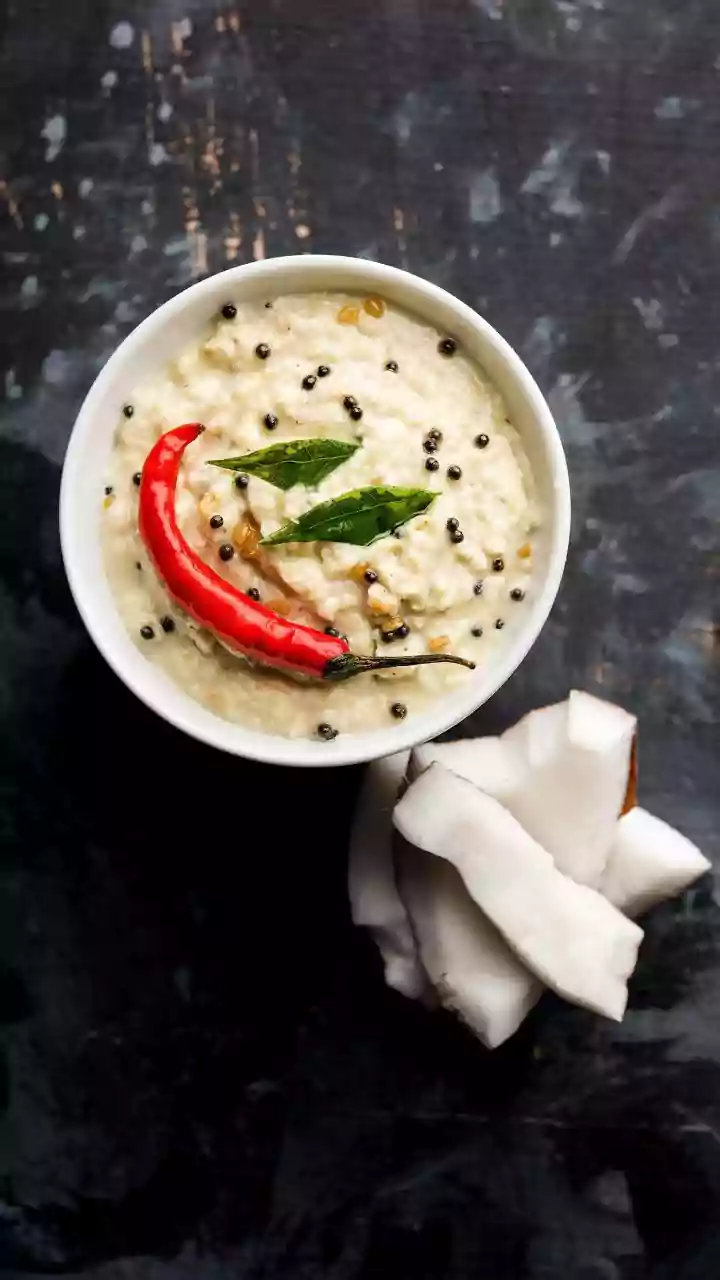
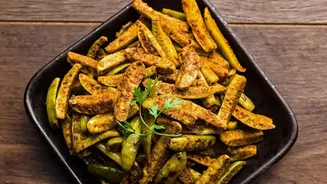
Making kebabs is just one way to use these nutritious peels. If you're not in the mood for frying, the cleaned and chopped peels can be turned into a delicious chutney, often combined with garlic, spices, and onion. They can also be sautéed into a simple side dish (sabzi) with mustard seeds and curry leaves. For a different kind of snack, you can toss the fresh peels in a little oil and spices and bake them in the oven until crispy, much like potato skin chips. And if you collect peels from various vegetables like carrots, onions, and bottle gourd, you can simmer them in water to create a flavourful and free vegetable stock for your soups and curries. Embracing these methods allows you to unlock more value from your vegetables and move closer to a truly sustainable kitchen.