







The Monsoon Paradox Explained
The term 'weak monsoon' typically refers to a season where the total rainfall from June to September is below the long-term national average. Logically, this should mean drier conditions. Yet, headlines are increasingly filled with images of devastating
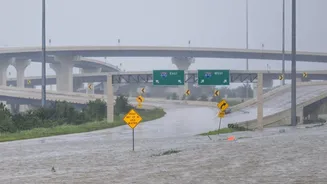
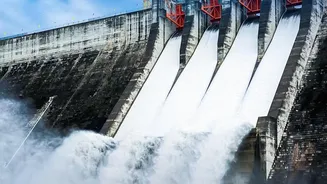
floods in regions that are, paradoxically, experiencing a rain deficit for the season. This happens because the character of the monsoon is changing. The reliable, steady drizzles are being replaced by long dry spells punctuated by short, extremely intense bursts of rain. So, while the seasonal total might be low, the rain that does fall arrives in furious, unmanageable downpours, overwhelming natural and man-made drainage systems.
It's About Intensity, Not Just Volume
The core of the issue lies in the difference between rainfall volume and rainfall intensity. A weak monsoon is measured by total volume over four months. Flooding, however, is a direct result of high intensity—a large amount of rain falling in a very short period. Scientific studies have observed a significant increase in the frequency of these extreme rainfall events since the mid-20th century. A warmer atmosphere can hold more moisture. For every degree Celsius of warming, the air can hold about 7% more water vapour. This means when it does rain, the downpours are far more severe, capable of triggering flash floods and landslides even in a season that is otherwise considered 'dry'.
The Footprint of Climate Change
Scientists have found robust evidence that global warming is making the Indian monsoon more erratic and volatile. The rapid warming of the Indian Ocean, in particular, is altering long-established weather patterns. While it can weaken the overall monsoon circulation (leading to lower seasonal totals), it also supercharges the atmosphere with moisture, fueling these intense, short-duration rain events. This results in a feast-or-famine situation: longer periods with no rain, and then sudden, catastrophic deluges. This increased variability is a direct consequence of human-induced climate change, which is disrupting the delicate balance of the monsoon system.
Urbanisation and Its Amplifying Effect
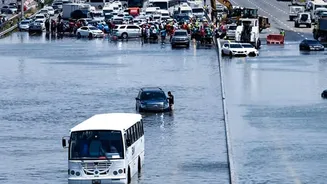
The scientific reality of more intense rainfall is amplified on the ground by rapid, often unplanned, urbanisation. As cities expand, permeable surfaces like soil and wetlands are replaced with concrete and asphalt. These non-porous surfaces prevent rainwater from being absorbed into the ground, leading to massive surface runoff. Ageing and inadequate drainage systems, often clogged with waste, are quickly overwhelmed by the volume of water from an extreme downpour. This turns cities into concrete bowls, unable to cope with the intensity of modern rainfall events. The flooding in cities like Mumbai, Delhi, and Bengaluru is not just a weather phenomenon; it is a crisis where climate change meets flawed urban planning.