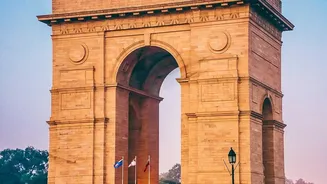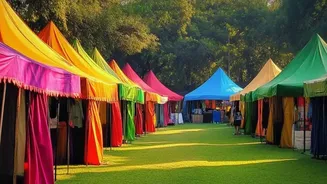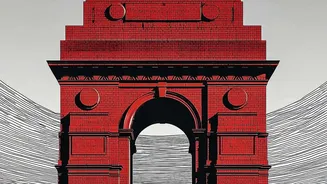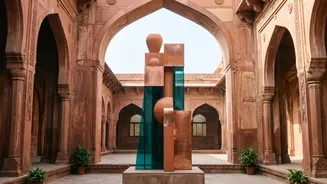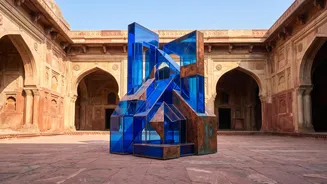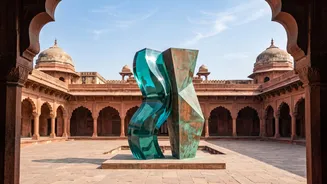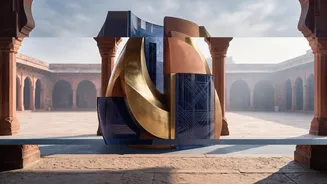


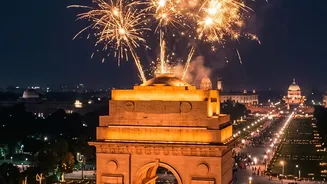
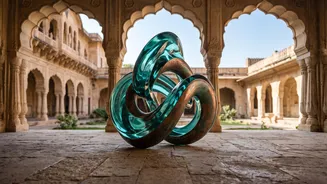
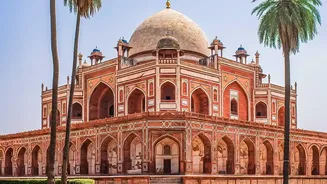
Get ready for a cultural marathon. Delhi is poised to host the India Art, Architecture and Design Biennale (IAADB), an ambitious 108-day festival that will turn the city's most iconic heritage sites into sprawling, open-air art galleries.
A Monumental Scale
Starting December
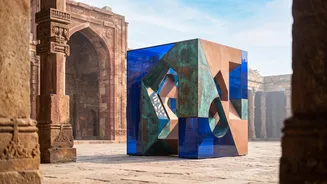
4, 2026, and running until March 21, 2027, the second edition of the India Biennale is set to be one of the most extensive cultural events the country has ever seen. Organized by the Ministry of Culture, the event aims to create a city-wide platform for creative expression and dialogue by using Delhi itself as the canvas. Following a successful first edition in 2023, which was centered at the Red Fort, this upcoming biennale will expand dramatically. More than a dozen historical monuments and cultural institutions—including Purana Qila, Qutub Minar, Safdarjung Tomb, and Jantar Mantar—will become active venues for exhibitions, performances, and installations. The vision is to make Delhi's heritage sites living cultural spaces, not just historical landmarks.
What Exactly is a Biennale?
The term 'biennale' (pronounced bee-en-ah-lay) is Italian for 'every other year' and refers to a large-scale international contemporary art exhibition held every two years. The most famous is the Venice Biennale, which has been a global cultural touchstone for over a century. These events bring together artists, curators, and thinkers from around the world to showcase new work and explore a central theme. The Indian government's initiative to establish its own flagship biennale is part of a vision to position the country as a major global hub for cultural dialogue, similar to events in Venice, São Paulo, and Singapore.
The Theme: Reconnecting in an Age of Distraction
The curatorial theme for the 2026-27 biennale is 'Tat Tvam Asi', a Sanskrit phrase from the Upanishads meaning 'You Are That'. The theme serves as a call to reconnect in an age of digital distraction. Organizers explain that in a world where we often scroll more than we see, the biennale invites visitors to slow down, engage their senses, and find a deeper connection with themselves, each other, and the world. Artists, architects, and designers from India and over 20 other countries are invited to create works that inspire reflection and presence, transforming historical sites into mirrors for modern contemplation.
Why 108 Days?
The choice of a 108-day duration is deeply symbolic. In Indian traditions, the number 108 is considered auspicious, representing completeness and spiritual harmony—from the 108 beads on a prayer mala to the 108 names for deities. The duration connects science, spirituality, and creativity, turning the festival into more than just a timeframe. It becomes a journey of artistic discovery and cultural reflection, aiming to link art, humanity, and the cosmos in a meaningful way.
What to Expect
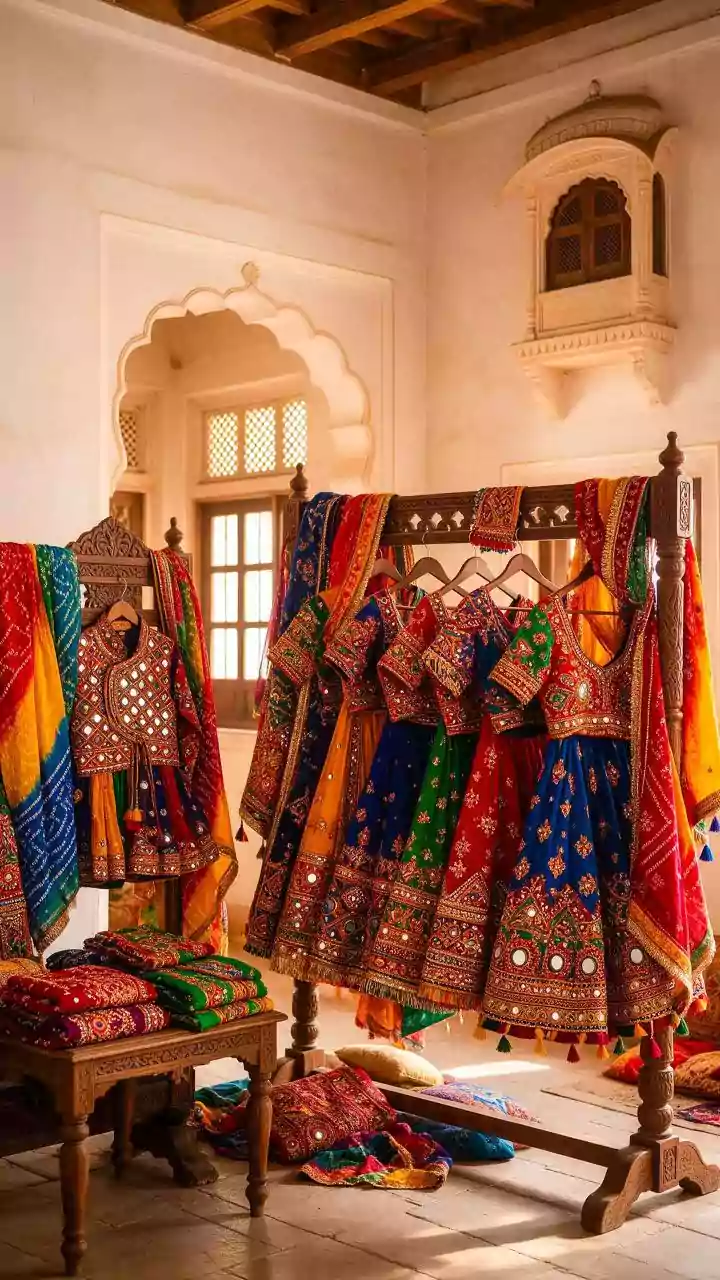
The biennale will be a multifaceted event with something for everyone. Expect large scale art installations, architectural pavilions, design exhibitions, public art projects, and heritage walks. The program will also feature a Student Biennale to engage younger artists, along with workshops, performances, and opportunities for artisans to connect with the market. It is conceived as a unique public private partnership, bringing together government bodies, private foundations, galleries, and corporate partners. With participation from countries like France, Italy, Switzerland, and Sri Lanka, the event will offer a truly global perspective on contemporary art and design,, right in the heart of Delhi.