



The Air Fryer's Golden Promise
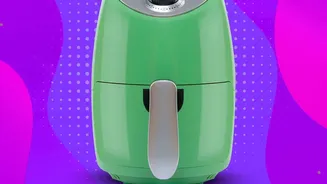
Traditional deep-frying involves completely submerging fritters in hot oil. An air fryer, by contrast, is a compact convection oven that circulates superheated air around the food. This powerful airflow cooks the fritters and creates a crispy exterior
with minimal oil—often just a light spray or brushing is needed. This method is why an air fryer can reduce the oil and fat content in foods by 70 to 80 percent compared to deep-frying. It delivers the texture you crave without the heavy, greasy feeling, making it a game-changer for recreating beloved snacks in a healthier way.
Mastering Batter Consistency
The single most important secret to successful air-fried fritters is the batter. A thin, runny batter that works for deep-frying will simply drip through the air fryer basket, creating a mess and leaving your fritters limp. For air frying, the batter must be significantly thicker and stickier. It should coat your vegetables (like onions or potatoes) thoroughly, with no puddle of excess batter at the bottom of the bowl. A good rule of thumb is to add water gradually, mixing by hand until the batter holds its shape when scooped with a spoon. If your batter is too thin, it will never crisp up properly.
Prepping for a Perfect Cook
Proper preparation is key to a non-stick, evenly-cooked batch of fritters. Always preheat your air fryer for a few minutes; dropping batter into a cold basket can lead to uneven cooking. Lightly grease the air fryer basket or use a piece of parchment paper to prevent sticking. Once you form your fritters, arrange them in a single layer inside the basket. Overcrowding is a common mistake that traps steam, essentially steaming your fritters instead of frying them. Leave enough space for the hot air to circulate around each piece, ensuring every surface gets a chance to become golden and crisp.
The Art of the Air Fry
Cooking times and temperatures can vary between air fryer models, but a good starting point for most fritters is around 180°C to 190°C. For the best results, lightly spray or brush the tops of the fritters with oil before you begin cooking. Cook for an initial 5-7 minutes, then pause to flip them. This flip is non-negotiable for achieving an all-around crunch. After flipping, give the other side a light spritz of oil and continue cooking for another 5-8 minutes, or until they are deeply golden brown and crispy to the touch. Don't be afraid to adjust the time as needed for maximum crunch.
Tips for Extra-Crispy Fritters
If you find your fritters aren't as crunchy as you’d like, there are a few tricks you can employ. Adding one or two tablespoons of rice flour or corn starch to your gram flour (besan) batter can significantly boost the crispiness. Some cooks also swear by adding a small amount of hot oil to the batter itself, which helps create a lighter, crunchier texture from the inside out. Another critical tip is to cook the batter immediately after mixing. The longer it sits, the more moisture the vegetables will release, leading to a soggier outcome.
Adapting Your Favourite Recipes
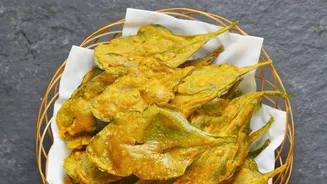
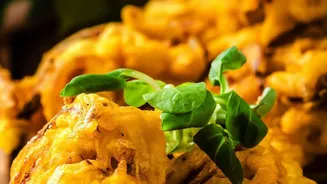
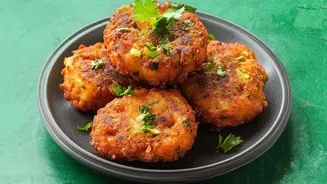
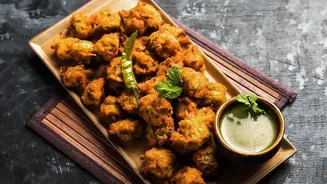
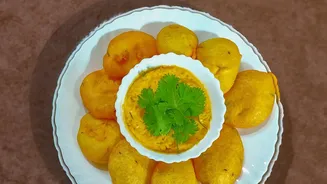
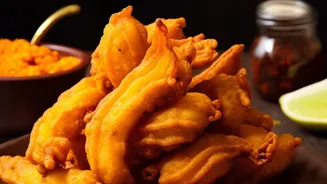
Whether it's onion pakodas, potato bhajis, or mixed vegetable fritters, almost any recipe can be adapted. For classic onion pakodas, ensure your onions are sliced thinly and the batter is thick enough to bind them together. For denser items like potato or cauliflower fritters, make sure your pieces are not too thick, allowing them to cook through by the time the outside is crisp. While the texture won't be identical to its deep-fried counterpart—which often has a unique, puffed-up quality—you'll be rewarded with a deliciously flavorful and satisfyingly crunchy fritter that you can enjoy any time.