




A Drier-Than-Average Monsoon Season
The verdict is in for India's 2026 monsoon: it was a season of deficit. According to the India Meteorological Department (IMD) and other weather agencies, the country as a whole received below-normal rainfall, with the withdrawal commencing around mid-September,
close to its usual schedule. Many regions, particularly across the southern peninsula and parts of the northwest, recorded significant shortfalls. While this may seem like a distant meteorological detail, the lack of rain has direct consequences for the water levels, greenery, and even snow that define India’s most popular winter destinations.
For Mountain Lovers: The Snow Outlook
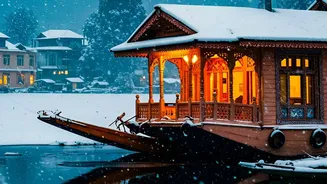
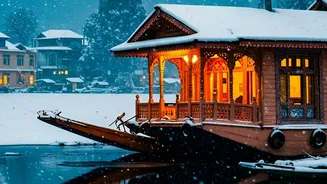
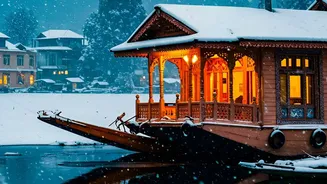
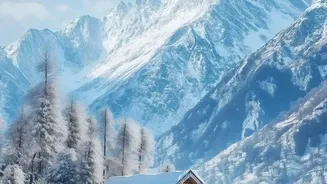
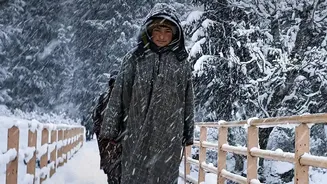
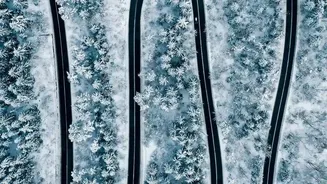
A trip to the Himalayas in winter often revolves around one thing: snow. The monsoon plays a key role here, as it provides the atmospheric moisture necessary for heavy winter snowfall. With a weaker 2026 monsoon, there is a potential for a delayed onset of heavy snow or a less formidable snowpack in the early part of the season in destinations like Himachal Pradesh, Uttarakhand, and Kashmir. While this doesn't mean a snowless winter, it does suggest that those chasing powder for skiing in Gulmarg or a white Christmas in Manali should manage expectations. The reliable, deep snow might arrive later in the winter. Travellers planning road trips should still be cautious, as even lighter snowfall can affect high-altitude passes. Keep a close watch on local forecasts as your travel dates approach.
For Backwater Bliss: Water Levels in the South
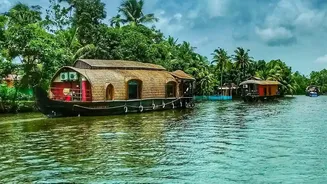
Kerala, one of the states noted to have a rainfall deficit this year, is a winter favourite for its serene backwaters and lush landscapes. A bountiful monsoon typically leaves the backwaters of Alleppey and Kumarakom brimming, with canals and lakes at their fullest. After a subdued monsoon, these water bodies might not be as swollen. While the region’s enchanting greenery will still be present, the visual drama of overflowing waterways may be less pronounced. Houseboat cruises will remain a premier attraction, offering peaceful journeys through the canals, but the landscape might reflect a season of more modest rains. The upside is that pleasant, dry weather is practically guaranteed, making for comfortable sightseeing.
For Royal Retreats: Rajasthan’s Reflections
The magic of winter in Rajasthan is amplified by its lakes, which reflect the grandeur of palaces and forts in cities like Udaipur and Jaipur. These water bodies are entirely dependent on monsoon rains for replenishment. Given that Rajasthan also experienced a rain deficit this season, the water levels in its iconic lakes are likely to be lower than in years with good rainfall. While this won't detract from the architectural beauty or cultural richness of the region, the picture-perfect reflections you see in travel brochures might be slightly altered. The post-monsoon greenery that briefly carpets the Aravalli hills may also fade faster, returning the landscape to its classic arid beauty sooner than usual.
Your Pre-Travel Weather Checklist
Understanding the monsoon's impact allows for smarter planning. First, for any mountain destination, check online forums and official state tourism websites for real-time updates on road conditions and snow levels before you leave. Second, if heading south, don't let lower water levels deter you; the cultural experiences and pleasant climate remain prime attractions. Third, for desert destinations, embrace the stark, timeless beauty of the region, even if the lakes aren't at their peak. Finally, consider booking accommodations and transport with flexible cancellation or rescheduling policies. This gives you the freedom to adapt your plans based on the most current weather information, ensuring your winter holiday is memorable for all the right reasons.