






Why Brave the Rains?
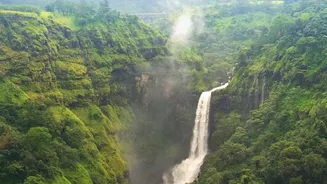
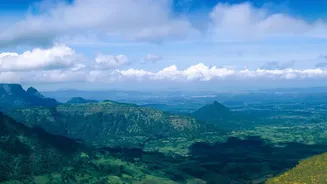
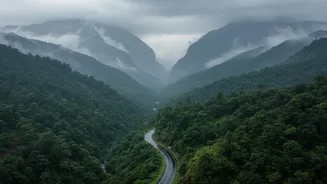
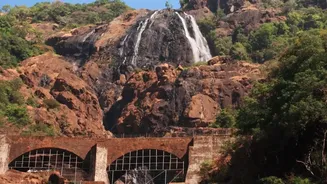
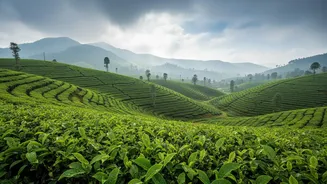
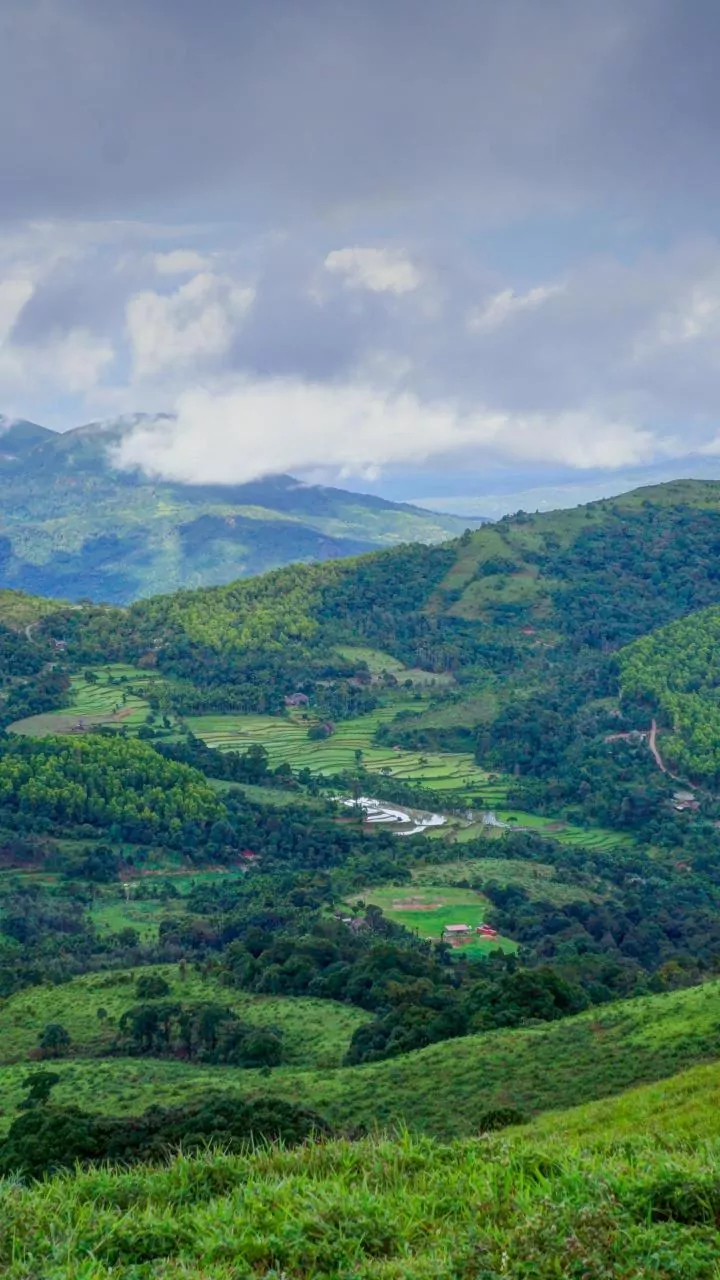
Trekking in the Western Ghats during the monsoon is an experience unlike any other. The landscape, often dry and brown in other seasons, explodes into a vibrant spectacle of green. The air is fresh and cool, waterfalls are in their full glory, and the entire
ecosystem feels alive. Popular trails in Karnataka, Maharashtra, and Kerala offer breathtaking views of cloud-covered peaks and verdant grasslands that make the challenge of a rainy trek entirely worthwhile. The goal isn't just to endure the rain, but to witness a region at its most dramatic and beautiful.
Gear Up: Beyond Just a Raincoat
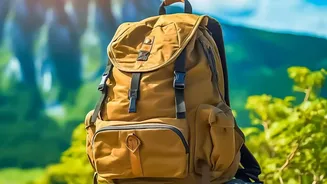
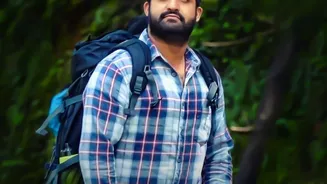
Your comfort and safety hinge on the right gear. While a good rain jacket or poncho is non-negotiable, thoughtful packing goes deeper. Opt for quick-dry synthetic clothing; cotton is a trekker's worst enemy in the rain as it absorbs moisture and stays wet for hours. Good trekking shoes with a strong grip are critical for navigating slippery and muddy trails. Many experienced trekkers now prefer water-resistant boots with a strong grip are critical for navigating slippery and muddy trails. Many experienced trekkers now prefer water-resistant boots that drain well, paired with waterproof socks, over fully waterproof boots that can trap water inside. A waterproof cover for your backpack is essential, and using internal dry bags to compartmentalise clothing and electronics adds a crucial second layer of protection.
The Leech Question: Prevention and Peace of Mind
Leeches are an unavoidable part of the monsoon ecosystem in the Western Ghats, but they are mostly harmless. The key is prevention and not panicking. Wearing full-length trousers and tucking them into your socks creates a physical barrier. Anti-leech socks, or gaiters, are a worthy investment, covering the gap between your boots and trousers. You can also apply repellents like a diluted Dettol solution or lemon juice on your shoes and socks. If a leech does attach itself, don't pull it off forcefully. Instead, gently break its suction with a fingernail or sprinkle salt on it, after which it will fall off. Clean the small wound with an antiseptic afterward.
Safety on Slippery Trails
Monsoon rains make trails treacherous. Slippery rocks, muddy slopes, and swollen streams are the primary hazards to watch for. Trekking poles are invaluable for maintaining stability and balance on slick surfaces. Always be cautious when crossing streams; water levels can rise rapidly and currents can be deceptively strong. It's wiser to find another route or wait than to risk crossing a flooded stream. Informing someone of your itinerary, trekking in a group, and hiring a local guide if you're unfamiliar with the terrain are fundamental safety measures. A guide's knowledge of safe paths and weather patterns is invaluable.
Choosing Your Monsoon Adventure
Not all trails are suitable for the rainy season. Some routes with steep, technical climbs or those that pass through narrow gullies prone to flash floods become extremely dangerous. For beginners or those seeking a safer bet, well-established fort trails in Maharashtra like Rajmachi (via the Lonavala route) or Visapur are excellent choices, as they often feature wider, more gradual paths. In Karnataka, parts of the Kudremukh region offer stunning monsoon scenery, though permits can be required and limited. Always research your chosen trail, check the latest weather forecasts, and be aware of any local restrictions or advisories issued by forest departments before you set out.