





What is a Terrace Forest?
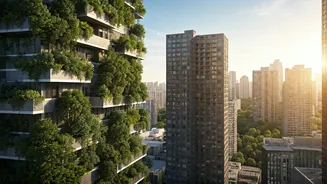
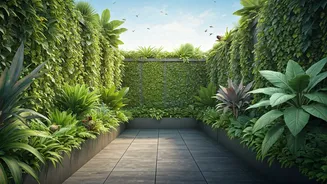
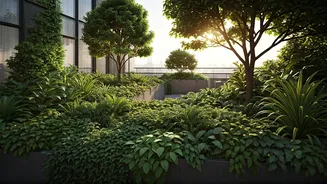
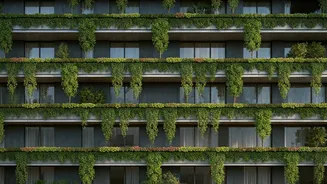
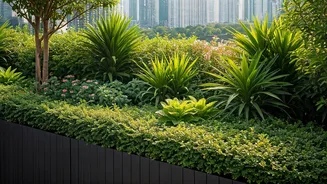
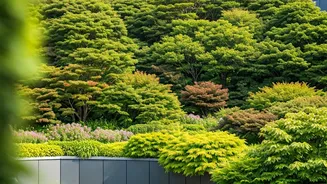
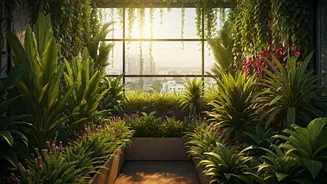
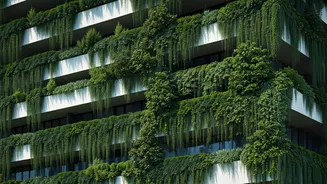
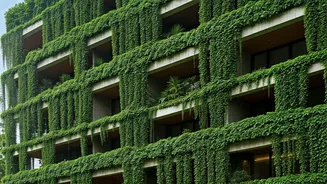
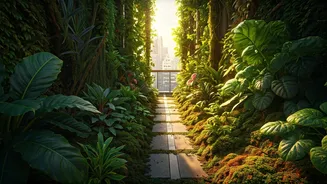
Forget a few scattered potted plants. A terrace forest is a dense, multi-layered ecosystem of native trees, shrubs, and groundcover plants grown on a building's rooftop. [17] It is designed to mimic a natural forest, creating a self-sustaining green space
in a small area. [13] Individuals across India, from a 23-year-old activist in Delhi to a retired engineer in Bengaluru, have successfully transformed their barren rooftops into thriving habitats, attracting birds and butterflies and proving that significant greening can happen even in the most developed urban spaces. [9, 12] These personal projects are becoming beacons of a larger movement, showcasing a scalable way to bring biodiversity back into our cities.
The Method Behind the Magic
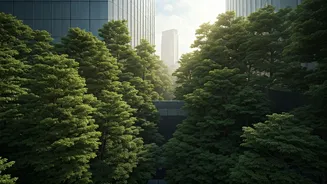
The concept often draws inspiration from the Miyawaki method, a technique developed by Japanese botanist Dr. Akira Miyawaki. [17] This approach involves planting a wide variety of native species very close together—typically three to five saplings per square meter. [23] This density encourages competition for sunlight, causing the plants to grow upwards rapidly, creating a layered canopy much faster than conventional planting. [13, 22] The process starts with enriching the soil with organic materials to create a fertile base, followed by careful selection of native species that are best suited to the local climate. [11] After planting, a thick layer of mulch helps retain moisture and suppress weeds, allowing the mini-forest to become self-sustaining within two to three years. [22]
The Tangible Benefits of Going Green
The impact of these rooftop ecosystems extends far beyond aesthetics. They are powerful tools in the fight against the urban heat island effect, a phenomenon where cities are significantly warmer than surrounding rural areas. [3] A green roof can lower ambient temperatures by 3-4°C, significantly reducing the need for air conditioning and cutting energy costs by 20-30%. [6, 16] They also act as natural air purifiers, filtering pollutants and absorbing carbon dioxide. [18] Furthermore, these forests enhance biodiversity by creating habitats for birds, bees, and butterflies, and they can improve mental well-being by providing residents with a much-needed connection to nature. [19, 24]
Pioneers on the Rooftops of India
Across India, passionate individuals are demonstrating the viability of terrace forests. In Delhi, 23-year-old Aman Sharma has cultivated a green space on his terrace with over 500 plants, which now attracts more than 100 bird species. [9, 14] His work, which started during the pandemic, shows how a single person can create a significant biodiversity hotspot. [9] In Bengaluru, retired mechanical engineer Venkataraman has engineered a 600-square-foot rainforest on his five-story home. His terrace lowers the surrounding temperature, improves air quality by up to 12%, and harvests nearly 80% of the rainwater it receives. [10, 16] These examples serve as powerful case studies for what is possible when engineering and a love for nature combine.
Challenges and the Path Forward
Despite the clear benefits, creating a terrace forest is not without its challenges. The primary concerns include the structural load-bearing capacity of the building, the high initial installation cost, and the need for effective waterproofing to prevent leakages. [20] Maintenance, especially in the initial years, and ensuring adequate water supply can also be significant hurdles. [21] However, pioneers like Venkataraman have shown that with careful engineering and planning, these obstacles can be overcome. [16] As more architects and urban planners integrate these green solutions into their designs, and as government policies begin to support such initiatives, the costs and complexities are likely to decrease, making terrace forests a more accessible option for all.