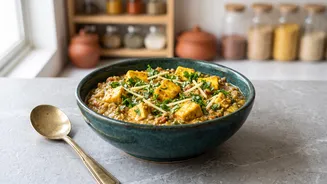

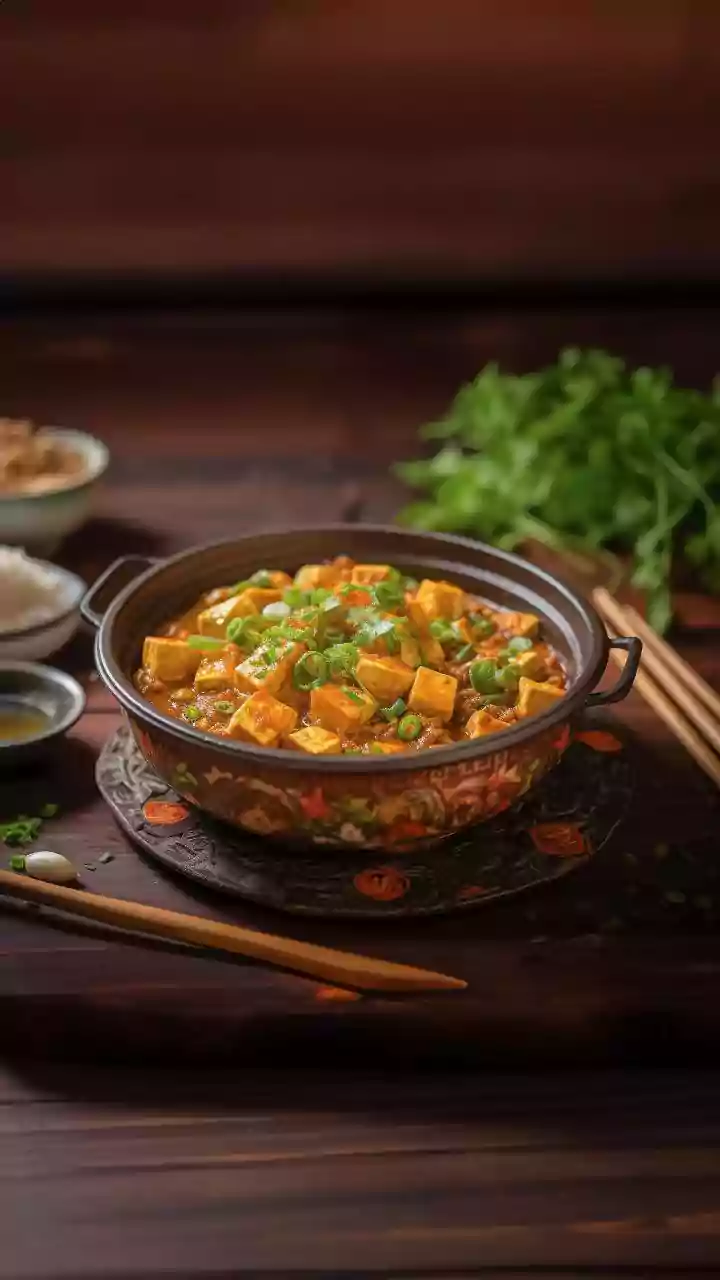
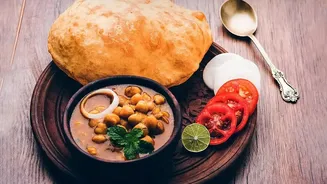
The sizzle of a hot tawa, the aromatic cloud of spices, and a buttery, messy, glorious plate of food. This is the heart of Indian street food, and now you can bring one of its most beloved vegetarian dishes—Paneer Ghotala—right into your kitchen.
What Exactly Is Paneer Ghotala?
Hailing
from the vibrant street food scene of Surat, Gujarat, Paneer Ghotala is a rich and savoury dish that lives up to its name. 'Ghotala' translates to 'scam' or, more aptly, 'mishmash'. The name refers to the way a variety of ingredients—shredded paneer, vegetables, and a host of spices—are mixed and mashed together on a large flat griddle, or tawa, to create a uniquely textured, semi-gravy delicacy. It’s a vegetarian spin on the equally famous Surti dish, Anda (Egg) Ghotala, offering the same indulgent experience with the creamy goodness of paneer. It's comfort food at its most chaotic and delicious.
The Essential Ingredient Checklist
To replicate the authentic street flavour, your ingredient list is key. Think of it in three parts: the paneer, the base, and the signature masalas. For the star of the show, use fresh, soft paneer; grate about 200-250 grams for the perfect texture. For the flavour base, you'll need finely chopped onions, tomatoes, and capsicum, along with a paste of ginger and garlic. The magic, however, lies in the spice blend. The most crucial ingredient is a quality pav bhaji masala, which gives the dish its characteristic tangy and spicy notes. Alongside this, you'll need standard Indian spices: turmeric powder, red chilli powder (Kashmiri for colour), and coriander powder. Don’t forget a generous amount of butter, which is non-negotiable for that true street-style richness.
Mastering the 'Ghotala' Technique
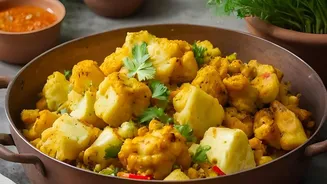
The cooking process is dynamic and involves constant mixing and mashing. Start by heating a mix of oil and butter in a wide, heavy-bottomed pan or tawa. Sauté finely chopped onions until they turn soft and golden. Add your ginger-garlic paste, followed by finely chopped tomatoes and capsicum. Cook this mixture until the tomatoes break down and the oil begins to separate from the masala. Now, it's time for the spices. Add the turmeric, red chilli powder, coriander powder, and a generous tablespoon of pav bhaji masala. Stir for a minute before adding a splash of water to prevent burning. Finally, add the grated paneer and mix everything vigorously. Using the back of your spoon or a potato masher, gently mash some of the mixture directly in the pan. This action is the 'ghotala' itself, which helps meld the flavours and creates a cohesive, textured dish.
Tips for Street-Style Authenticity
To elevate your homemade ghotala, a few pro-tips make all the difference. First, always use a combination of oil and butter. The oil prevents the butter from burning too quickly, while the butter provides that signature rich flavour. Many street vendors also use a special 'leela masala', a green chutney made from fresh coriander, green garlic, and green chillies, which is sautéed with the onions to build a deep flavour base. If green garlic isn't available, regular garlic will still yield a delicious result. Adding a small amount of grated processed cheese towards the end makes the ghotala extra creamy. Finally, don't overcook the paneer. Add it towards the end and cook for just a few minutes, ensuring it remains soft and absorbs the flavours without becoming rubbery.
Serving and Enjoying Your Creation
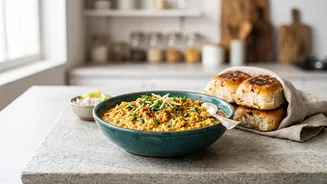
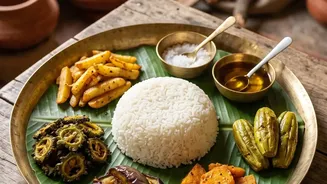
Paneer Ghotala is traditionally served piping hot, straight from the tawa. The classic pairing is with soft, buttered ladi pav. To make masala pav, simply slit the pav horizontally, smear it with butter, and toast it on the same tawa used for the ghotala, sprinkling a little pav bhaji masala on top as it toasts. Garnish the ghotala with a dollop of butter, some grated cheese, and a sprinkle of fresh chopped coriander. A squeeze of fresh lemon juice and some sliced raw onions on the side provide a fresh, sharp contrast to the rich, spicy gravy. While pav is the traditional accompaniment than this versatile dish also pairs beautifully with roti,
paratha,
or even as a filling for a dosa.