



The Challenge: The Burden of Fuel
Traditionally, satellites have navigated space using chemical propulsion. Think of these as small, high-powered rocket engines that fire in short, powerful bursts to adjust a satellite's orbit or orientation. These systems are reliable and provide strong
thrust, which is essential for rapid manoeuvres. However, they have a significant drawback: they are incredibly thirsty. A large portion of a satellite's weight at launch—sometimes more than half—is just fuel. This chemical propellant is heavy, and once it runs out, the satellite's life is effectively over, even if its electronic components are perfectly functional. This weight directly translates to higher launch costs, as heavier satellites require more powerful, expensive rockets to escape Earth's gravity.
The Solution: A Gentle, Unrelenting Push
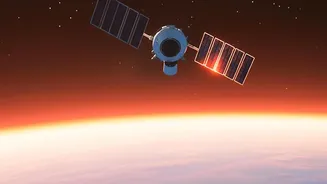
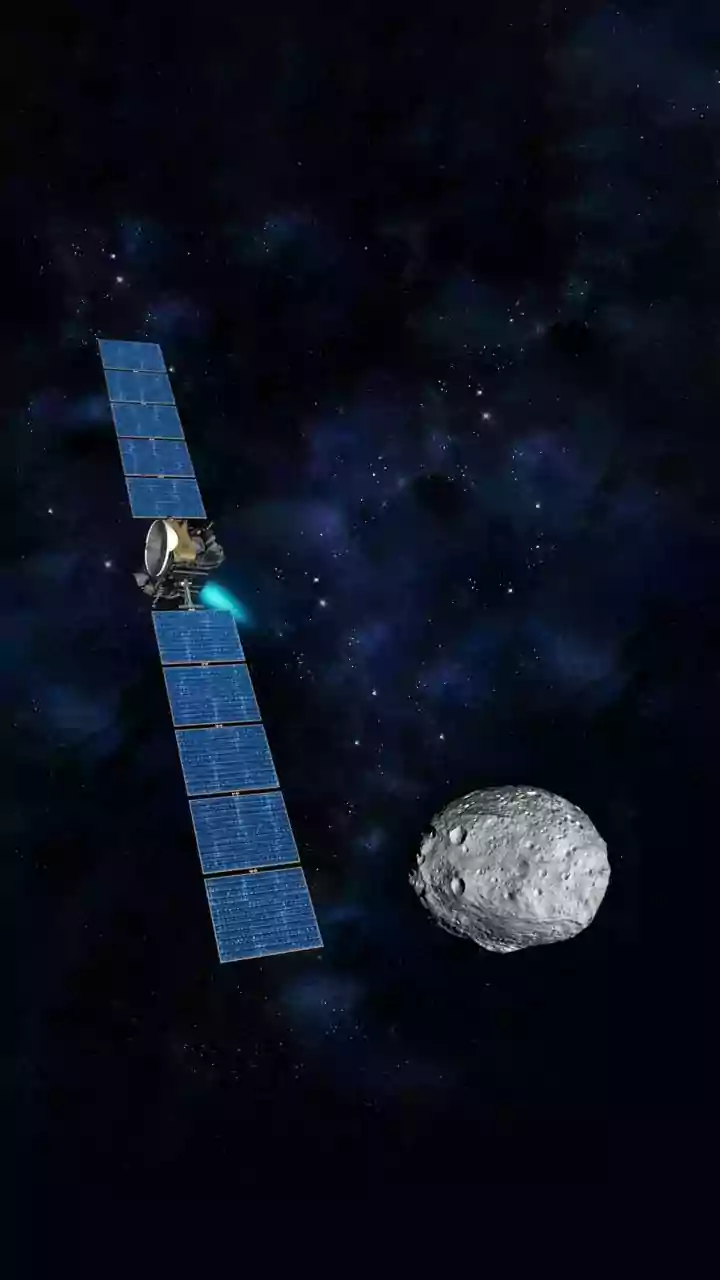
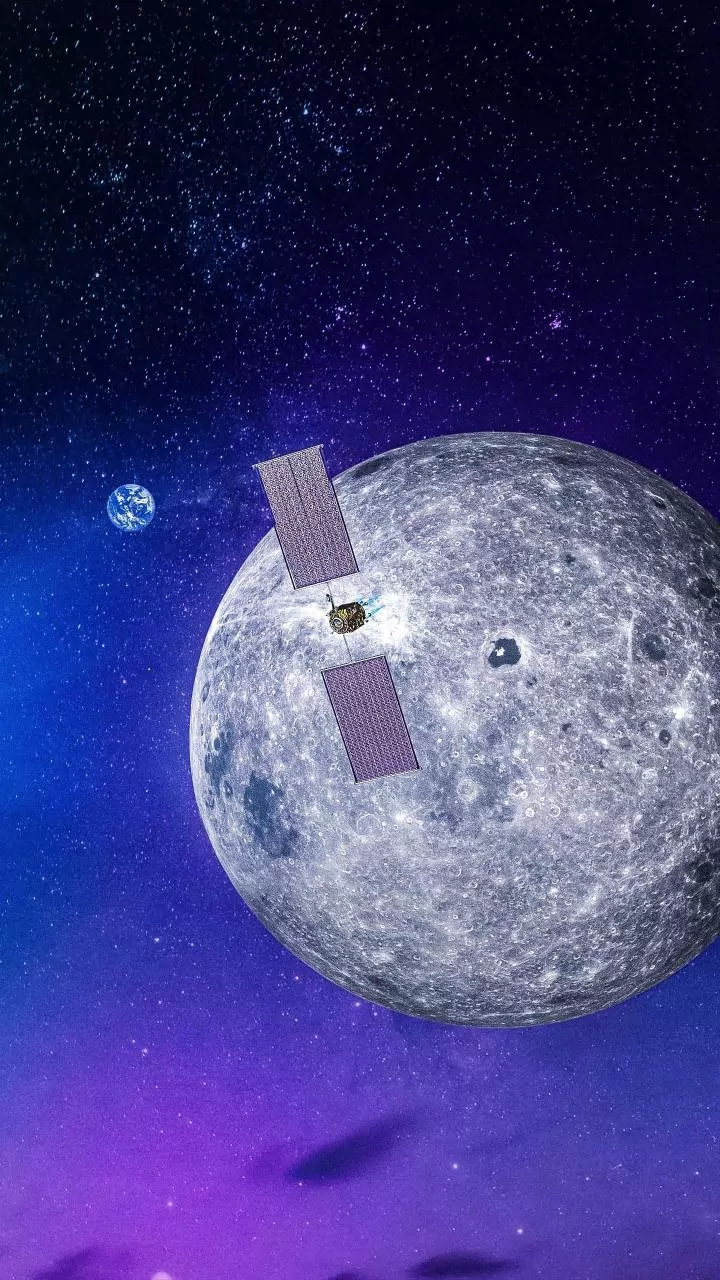
Electric propulsion (EP) is a fundamentally different approach. Instead of a violent chemical reaction, it uses electrical power, typically from the satellite's solar panels, to create thrust. One of the most common types is the Hall-effect thruster, which ISRO has been developing. This system takes an inert gas like xenon, uses electricity to ionise it (giving the atoms a positive charge), and then accelerates these ions out of the thruster using a combination of electric and magnetic fields. The resulting thrust is very gentle—sometimes compared to the force of a single sheet of paper resting on your hand. But the key is that this gentle push can be sustained for weeks, months, or even years, creating significant changes in velocity over time.
Shedding Kilos, Gaining Years
The magic of electric propulsion lies in its extraordinary efficiency. It has a much higher specific impulse—a measure of how much push you get from a unit of fuel—than chemical rockets. In fact, EP systems can be five to ten times more efficient. This means a satellite needs to carry far less propellant to perform the same manoeuvres over its lifetime. For a typical 5,000 kg communication satellite, switching to electric propulsion for in-orbit operations could slash the launch mass by over a thousand kilograms. This massive weight saving opens up two incredible possibilities. First, it dramatically reduces launch costs because a lighter satellite can be launched on a smaller, cheaper rocket. Second, the weight saved on fuel can be reallocated to the actual payload—more transponders, better sensors, or more scientific instruments—making the satellite more capable and commercially valuable.
The Trade-Off: A Marathon, Not a Sprint
If electric propulsion is so efficient, why not use it for everything? The main trade-off is its low thrust. An electric thruster simply doesn't have the power to overcome Earth's gravity and launch a satellite from the ground. That job still belongs to powerful chemical rockets. The strength of EP is in the vacuum of space for tasks like orbit raising and station keeping—the small, continuous adjustments needed to keep a satellite in its correct position. While a chemical engine might move a satellite to its final geostationary orbit in days, an electric system might take several months for the same journey. It's the classic tortoise versus the hare scenario; electric propulsion is the tortoise, slow and steady, but with incredible endurance that ultimately wins the race for mission longevity.
ISRO's Electric Pioneers
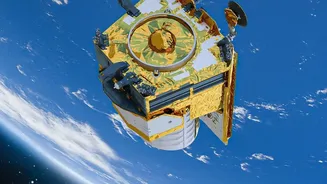
ISRO has been strategically developing this technology to enhance its self-reliance and competitiveness. While it first tested an imported electric thruster on the GSAT-9 satellite in 2017, the agency has since focused on creating fully indigenous systems. A major milestone is the Technology Demonstrator Satellite (TDS-01), designed to validate a domestically developed electric propulsion system. ISRO has successfully conducted long-duration tests on its thrusters, proving their reliability for the demanding environment of space. By mastering this technology, ISRO is not just building more efficient satellites; it's positioning India to capture a larger share of the global commercial launch market by offering lighter, longer-lasting, and more cost-effective satellite solutions.