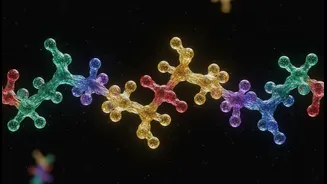








The Protein Pedestal
Let's be clear: protein is incredibly important. It's made of amino acids, which are the fundamental building blocks for repairing and creating new muscle tissue after a tough workout. Without enough protein, your body would struggle to recover, and you wouldn't
see the strength or muscle gains you're working for. This is why protein shakes, bars, and high-protein meals have become staples for everyone from elite athletes to casual gym-goers. However, a common mistake is to think that more protein always equals better results. The body can't store excess protein; once your needs are met, any extra is either used for immediate energy or, like any other excess calorie, stored as fat. Think of it less as the solo star of the show and more as a crucial member of a larger nutritional cast.
Carbohydrates: The Unsung Energy Hero
While protein rebuilds, carbohydrates fuel. Carbs are the body's primary and most efficient source of energy. When you eat carbohydrates, they are broken down into glucose and stored in your muscles and liver as glycogen. During exercise, your body draws on these glycogen stores to power your movements. If you're running on low or no carbs, your workouts will feel sluggish, and your performance will suffer. Furthermore, after a workout, replenishing these glycogen stores is just as important as consuming protein for recovery. A meal containing both carbohydrates and protein after exercise can significantly enhance muscle protein synthesis—the process of rebuilding muscle—more than protein alone. So, skipping carbs in favour of more protein is like putting a small engine in a race car; you simply won't have the power to perform at your best.
Healthy Fats: Your Hormonal Health Ally
Fats have had a complicated history in nutrition advice, but they are absolutely essential for a healthy, functioning body—especially an active one. Healthy fats play a vital role in hormone production, including hormones like testosterone that are critical for muscle growth. Diets that are too low in fat can potentially disrupt these hormonal balances, which can negatively affect your ability to recover and build strength. Fats are also a major component of your cell membranes and are a dense source of energy for lower-intensity, longer-duration activities. Essential fatty acids, like the omega-3s found in fish and flaxseeds, have an added benefit: they can help reduce inflammation and muscle soreness after intense exercise, aiding in a smoother recovery.
Micronutrients: The Spark Plugs of the Engine
If protein, carbs, and fats are the fuel, micronutrients—vitamins and minerals—are the spark plugs that make everything run. They are needed in smaller amounts but are critical for thousands of metabolic processes. For example, B-vitamins are crucial for converting food into usable energy. Minerals like magnesium play a key role in muscle contraction and relaxation, helping to prevent cramps, while zinc is vital for tissue repair and immune function. Iron is necessary for transporting oxygen to your working muscles. A diet that is hyper-focused on one macronutrient might inadvertently neglect these essential micros, leading to deficiencies that can impair energy levels, recovery, and overall health. A varied diet full of fruits, vegetables, and whole grains is the best way to ensure you're getting the full spectrum of these necessary nutrients.
The Risks of Going Overboard
While most healthy individuals can tolerate protein intakes above the standard recommendation, extremely high-protein diets are not without risks. Consuming excessive protein can place a strain on your kidneys, which have to work harder to filter waste products from protein metabolism. It can also lead to dehydration, as the body uses more water to flush out this waste. Furthermore, if high-protein foods, particularly red meats, replace fiber-rich carbohydrates and plant sources, it can lead to digestive issues and potentially increase the risk for other health problems. The key is adequacy and balance, not excess.