

What Exactly Is a Complete Protein?
Proteins are made of building blocks called amino acids. Our bodies can produce some amino acids, but there are nine that we cannot make, known as essential amino acids. We must get these from our food. A food source that contains all nine of these essential amino acids in the right
proportions is called a 'complete protein'. While animal products like meat, eggs, and dairy are naturally complete proteins, most individual plant foods are considered 'incomplete' because they might be low in one or two of these essential amino acids.
The Complementary Power of Grains and Pulses
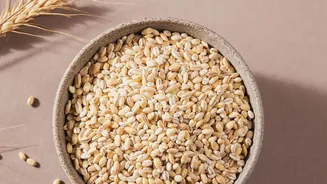
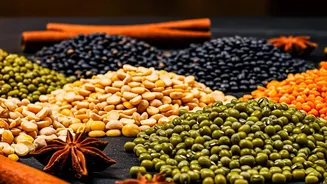
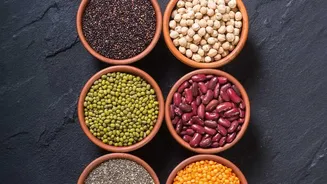
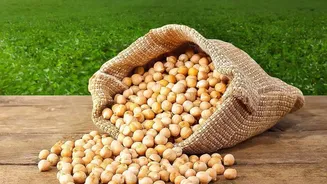
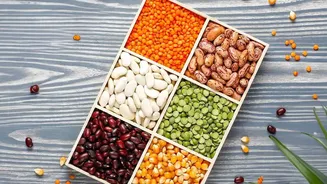
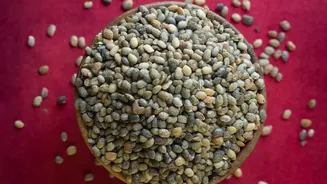
This is where the magic of combining foods comes in. Whole grains and pulses have what are known as complementary amino acid profiles. Generally, whole grains like rice, wheat, and oats are low in an essential amino acid called lysine but contain sufficient amounts of another called methionine. Pulses—which include dals, beans, chickpeas, and lentils—are the opposite; they are rich in lysine but lower in methionine. When you eat them together, their individual weaknesses are cancelled out, and they collectively provide all nine essential amino acids, forming a complete protein.
Debunking a Popular Myth
For decades, it was believed that you had to eat these complementary proteins in the same meal for your body to properly use them. This idea was popularised in the 1970s but has since been updated by nutrition science. We now know that the body maintains a pool of amino acids, drawing on them as needed throughout the day. This means you don’t have to stress about perfectly pairing grains and pulses at every single meal. As long as you eat a variety of plant-based foods over the course of the day, your body can assemble the complete proteins it requires.
Classic Indian Pairings That Naturally Work
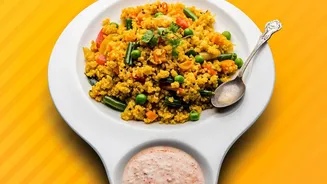
The good news is that traditional Indian cuisine has been naturally practising protein complementation for centuries. Many of our most beloved comfort foods are perfect examples of combining grains and pulses. Dal and Rice (Dal Chawal): This is the most iconic example. The lentils in the dal provide the lysine that rice lacks, and the rice provides the methionine that the dal is low in, making it a wholesome, complete meal. Dal and Roti: Similar to dal and rice, pairing any dal with whole wheat rotis or chapatis creates a complete protein. Khichdi: This one-pot meal of rice and moong dal is not just easy to digest but is also a nutritionally complete food, which is why it's often recommended when someone is recovering from an illness. Idli/Dosa with Sambar: Made from a fermented batter of rice and urad dal, idli and dosa are classic South Indian breakfasts. When served with sambar, a stew made from toor dal, the meal provides a full spectrum of amino acids. Rajma Chawal: This North Indian favourite combines kidney beans (rajma) with rice, another delicious and powerful protein pairing.
Creative Combinations for the Modern Kitchen
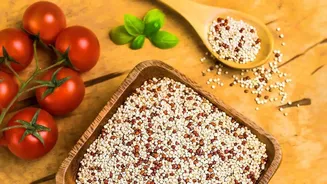
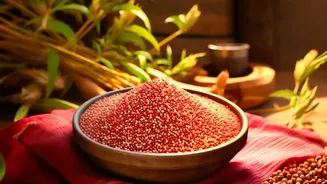
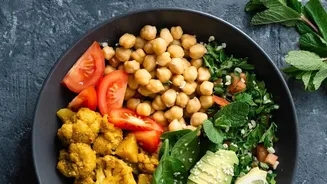
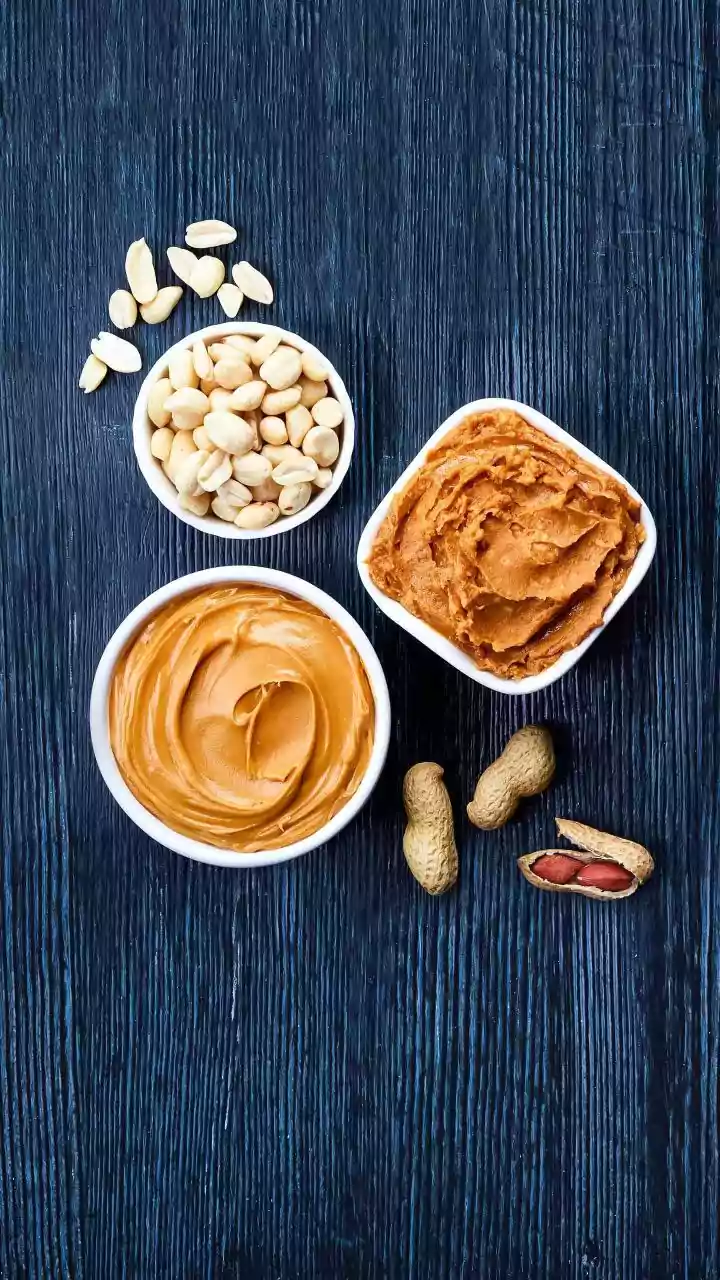
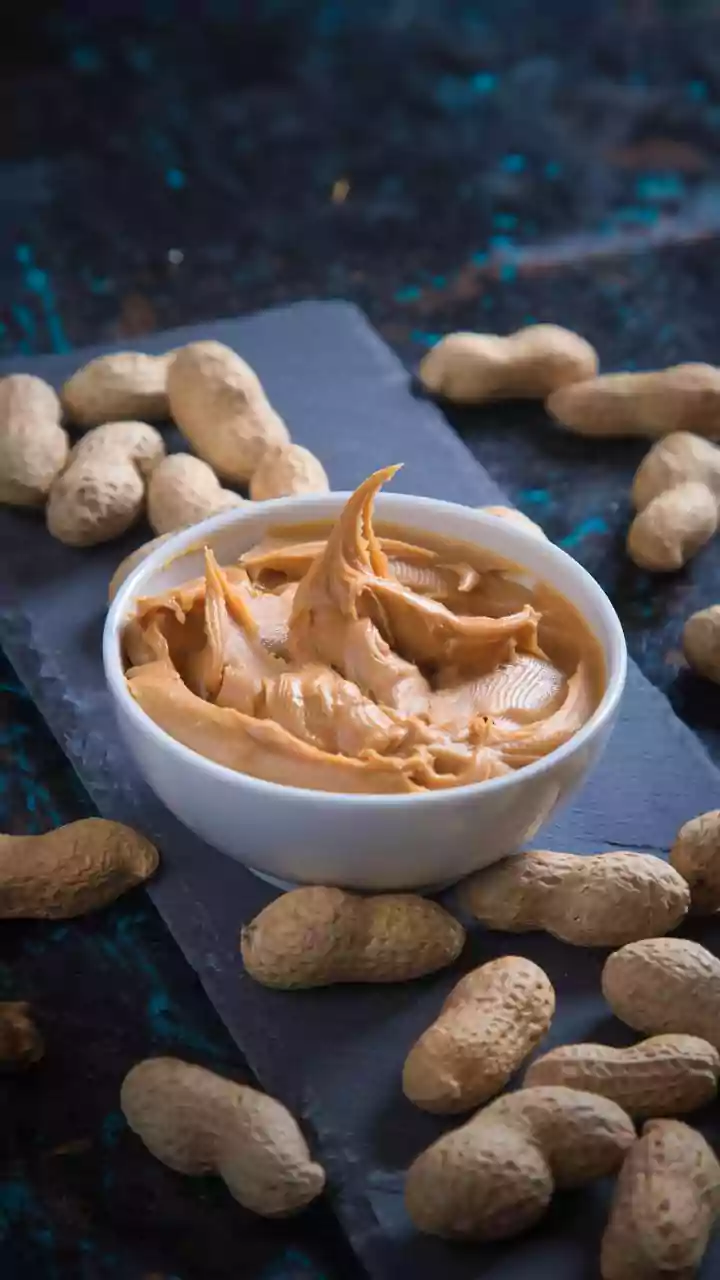
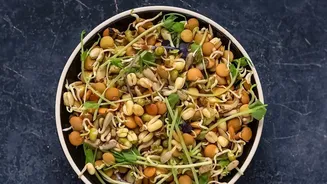
Beyond the classics, you can easily incorporate this principle into more modern dishes. Think about creating a quinoa salad with chickpeas and vegetables. Quinoa is one of the few plant foods that is a complete protein on its own, but adding chickpeas boosts the overall protein and fibre content. Hummus (made from chickpeas) served with whole wheat pita bread is another excellent combination that is both a satisfying snack and a source of complete protein. Even a simple peanut butter sandwich on whole-grain bread works on the same principle, pairing a legume (peanuts) with a grain.