




General Monsoon Plant Care
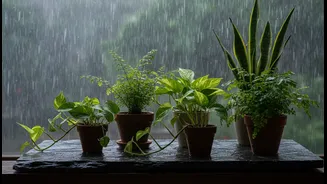
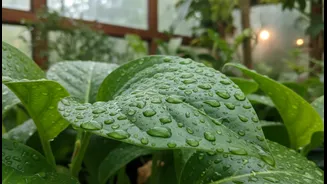
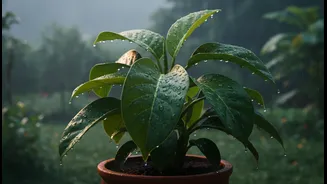
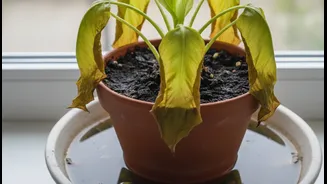
Caring for indoor plants during the monsoon requires a shift in routine. The primary challenge is not a lack of water, but an excess of it. High humidity and reduced sunlight mean soil dries out much slower, increasing the risk of root rot. Always check
the top inch or two of soil before watering; if it feels damp, wait another day or two. This is the season where overwatering becomes the biggest mistake. Also, ensure your pots have excellent drainage to let excess water escape. Good air circulation is key to preventing fungal growth, which flourishes in damp conditions. Finally, wipe down leaves occasionally to remove dust and help them absorb the limited available light.
Snake Plant (Sansevieria trifasciata)
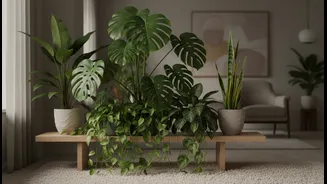
Often called Mother-in-Law’s Tongue, the Snake Plant is one of the toughest houseplants you can find, making it perfect for beginners. It is renowned for its ability to tolerate very low light conditions and infrequent watering. During the monsoon, its water needs are even lower. The high moisture in the air means you might be able to skip watering for long stretches. Its architectural, upright leaves are also excellent at purifying the air by removing toxins. The key to keeping a Snake Plant happy during this season is to plant it in a well-draining soil mix and a pot that doesn't trap water, like terracotta. This prevents water from logging at the roots, which is the quickest way to harm this resilient plant.
ZZ Plant (Zamioculcas zamiifolia)
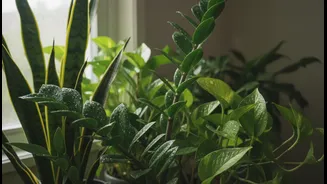
The ZZ Plant is nearly indestructible, famous for its ability to thrive on neglect. With its glossy, dark green leaves, it adds a touch of elegance to any dim corner of your home. Originally from East Africa, it is adapted to low-light environments. While it can survive in very dark spots, it grows best in low to medium indirect light. The ZZ Plant stores water in its underground rhizomes, making it incredibly drought-tolerant. During the monsoon, you should water it even less frequently—perhaps only every 3-4 weeks, ensuring the soil dries out completely in between. Overwatering is one of the few ways to damage this hardy plant.
Pothos (Epipremnum aureum)
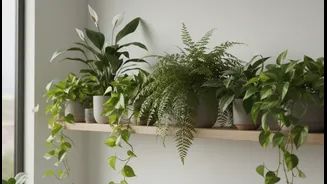
Known commonly in India as the Money Plant, Pothos is a versatile and fast-growing vine that loves the monsoon's high humidity. Its aerial roots help it absorb moisture directly from the air, and its tolerance for low light makes it a seasonal favorite. While it can survive in shade, its growth is more vigorous in bright, indirect light. Pothos is very communicative; it will start to droop slightly when it needs water. During the rainy season, be extra careful not to overwater, as its roots are prone to rot in soggy soil. Let the top couple of inches of soil dry out before watering again. Its trailing vines are perfect for shelves and hanging baskets.
Aglaonema (Chinese Evergreen)
The Aglaonema, or Chinese Evergreen, is celebrated for its stunning, colourful foliage and its impressive tolerance for low-light conditions. Varieties with shades of red, pink, and silver can bring a vibrant splash of colour to your home on a grey day. These tropical plants are well-suited to the warm and humid conditions of an Indian monsoon. They prefer their soil to remain consistently moist but not waterlogged, so good drainage is vital. During the monsoon, it’s best to hold off on fertilizing, as the plant’s growth may slow slightly with less light. Ensure good airflow around the plant to prevent any fungal issues.
Peace Lily (Spathiphyllum)
The Peace Lily is a beautiful choice for low-light spaces, known for its glossy dark leaves and elegant white blooms that can appear even in shaded conditions. It loves a humid environment, making it a perfect match for the monsoon season. In fact, the steam from a bathroom is often enough to keep it happy. The plant has a convenient habit of drooping its leaves slightly when it's thirsty, taking the guesswork out of watering. During the rains, water only when the top of the soil feels dry. The Peace Lily is also a powerful air purifier, adept at removing common household toxins.