

The Rise of an Ancient Grain
For centuries, millets like ragi, jowar, and bajra were dietary staples across India, valued for their resilience and nutrition. While they were gradually overshadowed by wheat and rice, these mighty grains are now making a major comeback. This resurgence
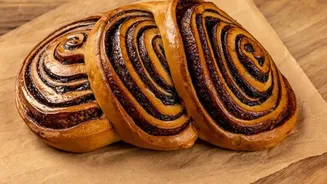
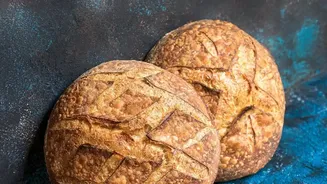
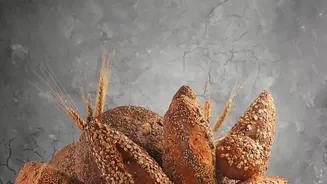
is visible in the most delightful of places: local bakeries. Driven by a growing consumer demand for healthier alternatives, bakers are rediscovering millets. They're swapping refined flour (maida) for these nutrient-dense options to create everything from rustic bread loaves to decadent chocolate cakes, meeting the needs of a new generation of health-conscious food lovers.
A Nutritional Powerhouse in Every Bite
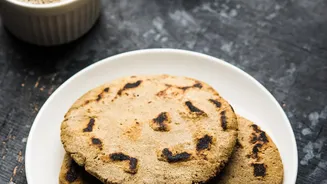
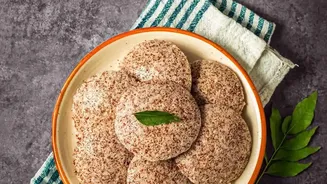
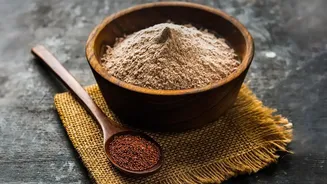
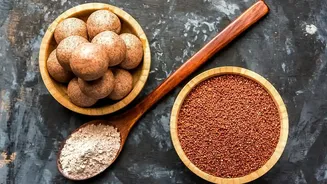
The secret to the appeal of millet-based treats lies in their impressive nutritional profile. Millets are naturally gluten-free, making them an excellent choice for those with celiac disease or gluten sensitivity. They are packed with dietary fibre, which aids digestion, helps regulate blood sugar, and keeps you feeling full for longer. Specific millets offer unique benefits: ragi (finger millet) is celebrated for its high calcium content, crucial for bone health, while bajra (pearl millet) is a fantastic source of iron and protein. Jowar (sorghum) is prized for its antioxidant properties and is often recommended for sensitive digestive systems. This makes a millet cookie or muffin not just a snack, but a small contribution to your daily nutritional intake.
Beyond Health: The Earthy Flavour Factor
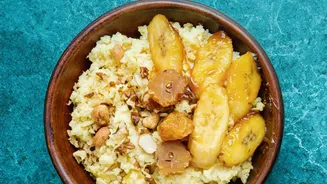
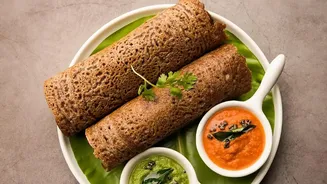
While the health benefits are a major draw, what truly makes millet bakery items special is their unique taste. These grains bring a wonderful depth and complexity that refined flour simply cannot match. Bajra offers a distinctly earthy and hearty flavour, while jowar is milder and slightly sweet. Ragi provides a deep, malty taste that pairs beautifully with ingredients like chocolate, banana, and jaggery. Millet flours have a mild, nutty character that complements both sweet and savoury recipes, adding a wholesome richness to cookies, cakes, and breads. This allows bakers to create treats that are not just healthier but also more flavourful and interesting.
The Baker's Art and Science
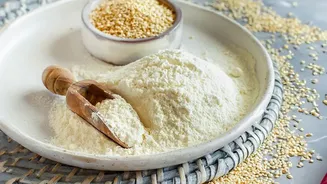
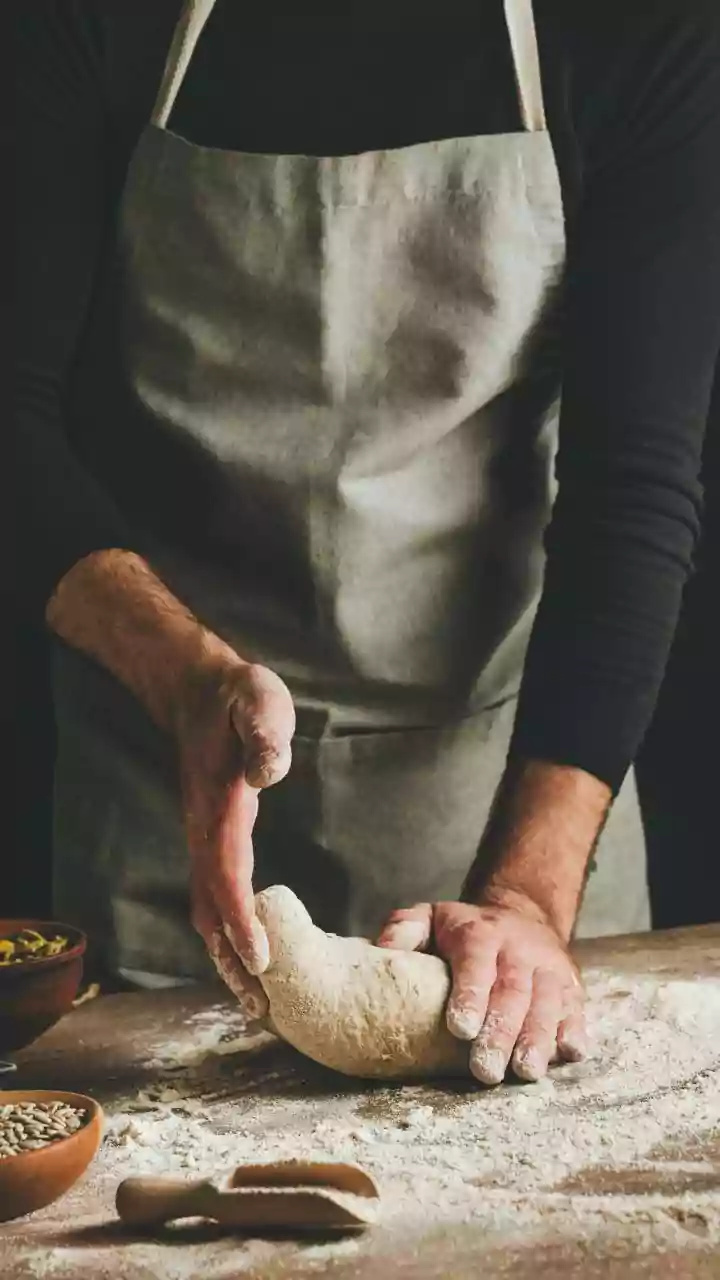
Baking with millets is both a challenge and a reward. Since they are gluten-free, they don't have the same binding properties as wheat flour, which can lead to denser results. However, skilled bakers have mastered the art of working with these flours. Often, they blend different millet flours or combine them with other gluten-free alternatives like almond flour to achieve the perfect texture. They've learned that millet flours are thirsty and absorb more liquid, adjusting recipes accordingly to create moist cakes and tender cookies. The result is a delightful range of baked goods—from the light and airy to the dense and satisfying—that showcase the versatility of these ancient grains.
From Cookies to Cakes: What to Try
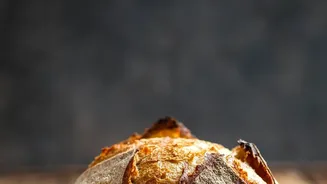
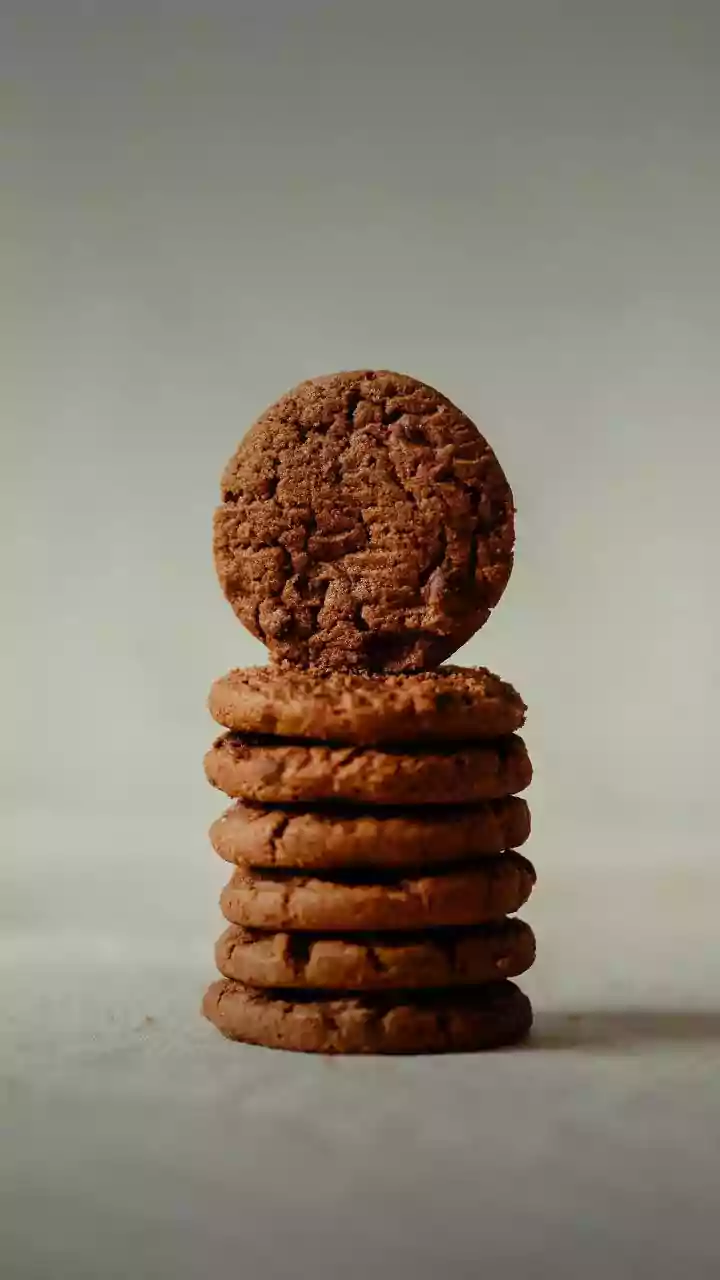
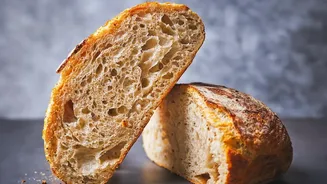
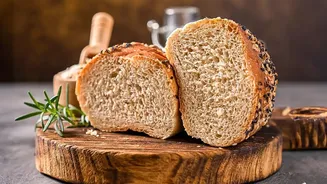
The variety of millet-based bakery items available is growing every day. Ragi chocolate cakes have become a popular guilt-free indulgence, offering a rich flavour and moist texture. Jowar and bajra cookies, often sweetened with natural alternatives like jaggery, are a crunchy, satisfying snack perfect for tea time. You can also find savoury options like herbed millet crackers and fluffy millet breads. Brands across India, from artisanal bakeries to larger companies, are now offering millet-based products, making it easier than ever to explore this delicious and nutritious trend.