



Understanding the Onam Spirit
Onam is more than just a harvest festival; it is a ten-day cultural immersion that celebrates the mythical homecoming of King Mahabali. In 2026, the main festivities kick off with Atham on August 16, culminating in the most significant day, Thiruvonam,
on August 26. While major cities like Kochi and Thiruvananthapuram host large-scale events, the festival’s soul is found in quieter, community-led celebrations. This is the time to witness a state united in joy, with traditions that spill from temple grounds into family homes. The key to an authentic experience is to slow down and participate, rather than just observe.
Embrace Village Life With a Homestay
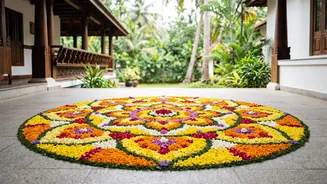
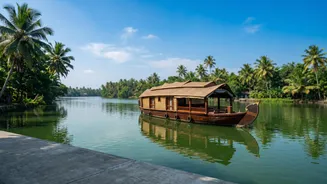
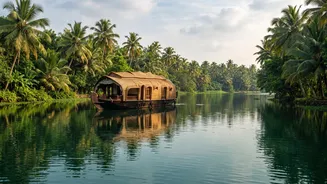
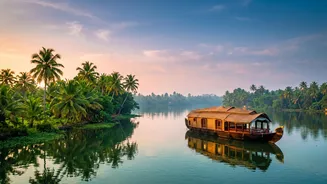
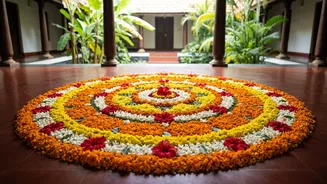
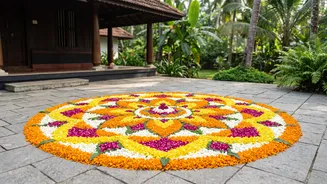
To truly get under the skin of Onam, trade a hotel for a homestay. Regions like the backwaters of Kumarakom and Alleppey, or the greener hills of Wayanad, are dotted with family-run homes that welcome guests into their celebrations. Staying with a local family offers an unfiltered view of the festival. You can wake up to the creation of the ‘Pookalam’—an intricate floral carpet laid at the entrance each morning—and learn the significance of each flower. It’s an opportunity to understand the daily rituals, from morning prayers to the communal preparations for the grand feast, in a way no commercial package can offer.
Savouring an Authentic Onam Sadhya
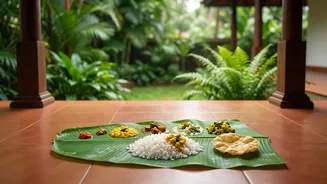
The Onam Sadhya is the centrepiece of the festival, a multi-course vegetarian feast served on a banana leaf. While many restaurants offer a commercial version, the most memorable Sadhya is one shared with a community. Homestay hosts often take great pride in preparing and serving this elaborate meal, which can feature over two dozen dishes. This is a chance to taste recipes passed down through generations. Alternatively, look for community feasts organised in local temples or village halls. Sharing this meal is an act of togetherness, and the experience is as much about the community spirit as it is about the incredible food.
Witness Folk Arts Beyond the Main Stage
While Thrissur is famous for its grand Pulikali (tiger dance) procession on August 29, 2026, smaller, equally vibrant folk performances take place in villages across the state. In parts of Palakkad and Thrissur, you might encounter Kummattikali, a colourful mask-dance where performers clad in grass costumes go from house to house. In northern Kerala, the Onathallu, a traditional form of ritualistic mock combat, offers a glimpse into the region's martial past. Many villages also have their own smaller scale Vallamkali (snake boat races), which feel more like community rituals than the massive sporting events held in Alappuzha or Aranmula. These local events are often more accessible and intimate.
Finding the Smaller, Sacred Moments
Authenticity is often found in the small details. Visit a local market to see vendors selling mounds of fresh marigolds, jasmine, and other flowers for the daily Pookalam. Spend an evening near a village temple, where you might see women performing the graceful Thiruvathirakali dance around a lamp. Head to Thrikkakara Temple near Kochi, considered the mythological epicentre of Onam, to see the festival observed with deep-rooted devotion over all ten days. Exploring the craft village of Aranmula, famous for its metal mirrors, offers another cultural layer, especially as the village is also home to a historic boat race that is more a ritual than a competition.