





The Well-Known Dangers in a Downpour
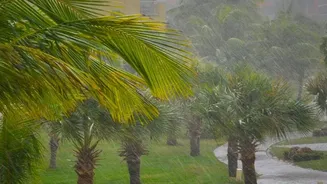
During the Indian monsoon, the combination of heavy rainfall and electricity is a known hazard. High humidity, water seepage into walls, and flooded areas dramatically increase the risk of electrocution and short circuits. Everyone knows the basic rules:
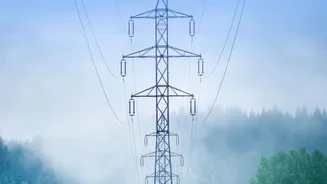
don't touch switches with wet hands, stay away from downed power lines, and keep electrical appliances far from leaky windows or balconies. These precautions are vital because water acts as a conductor for electricity, turning a simple faulty wire or a damp switchboard into a life-threatening situation. Outdoor areas are especially risky, with fallen power lines posing a lethal threat, often hidden in water or debris. Authorities consistently advise assuming any downed line is live and maintaining a significant distance.
Why Power Grids Falter in Storms
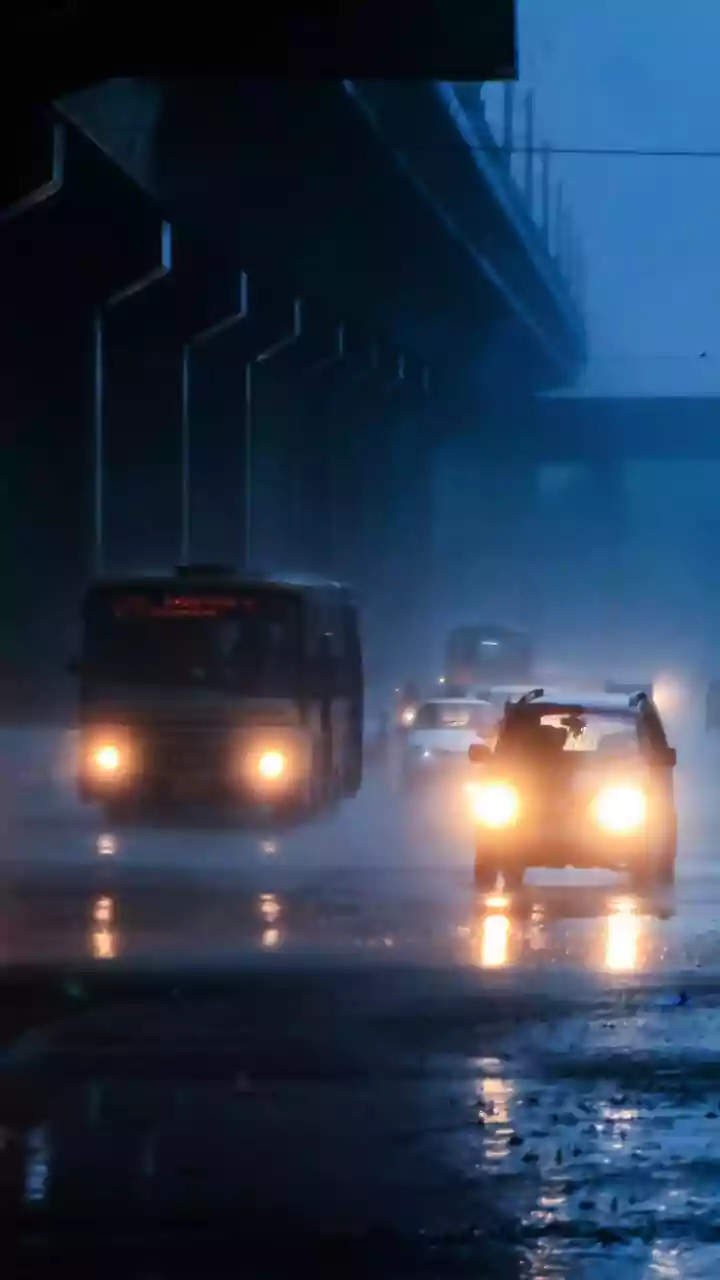
Power outages are a frequent consequence of severe weather for clear reasons. Strong winds can cause tree branches to snap and fall onto overhead power lines, while lightning can strike transformers or other critical equipment. In urban and rural areas alike, waterlogging can submerge underground cables and junction boxes, leading to widespread electrical faults. Utility companies often preemptively shut down power in severely flooded areas to prevent catastrophic accidents. The process of identifying the fault, ensuring the safety of repair crews, and fixing the damage can be time-consuming, leading to extended outages that can last for hours or even days depending on the storm's severity.
The Hidden Threat: The Restoration Surge
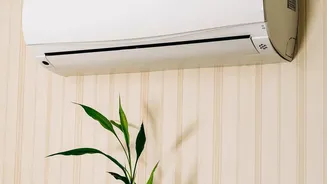
The most underestimated danger is not the outage itself, but the moment power is restored. When electricity returns to the grid after a blackout, it can create a sudden, high-voltage spike known as a power surge. This inrush of current happens because the electrical grid doesn't always return to a stable state smoothly; the sudden demand can send an uneven flow of power through the lines. This surge can be powerful enough to instantly 'fry' the sensitive electronic circuits found in modern appliances like televisions, refrigerators, computers, and air conditioners. Even if an appliance isn't destroyed immediately, these surges can cause cumulative damage, weakening components over time and leading to premature failure or even a fire risk.
Your Safety Checklist During the Outage
To protect your home and appliances from a restoration surge, proactive steps are crucial. The single most important action is to unplug your valuable and sensitive electronics. This includes your TV, computer, router, microwave, and any smart home devices. For larger appliances like refrigerators and ACs that can't be easily unplugged, you can turn off their individual power switches or, for maximum safety, turn off the main circuit breaker for your home. Leaving one light on is a common tip; it will act as a signal to let you know when the power has returned without risking more valuable equipment. While the power is out, also take the opportunity to check for any water seepage near outlets or wiring, as this will be a major hazard once the system is re-energized.
What to Do When the Lights Come Back On
When you see that one signal light turn on, resist the urge to immediately plug everything back in. The electrical voltage can be unstable for the first few minutes after restoration. Wait for about five to ten minutes to allow the power flow to stabilize. Once you've waited, if you had turned off the main power, switch it back on first. Then, begin plugging in your appliances one by one, rather than all at once. This gradual approach prevents overloading a single circuit and gives you a chance to spot any issues with an individual appliance as it powers up. If any device sparks, makes a buzzing noise, or has a burning smell, unplug it immediately and have it inspected by a professional.
Essential Gear for Electrical Safety
Beyond behavioural changes, certain equipment can offer an additional layer of protection. Installing surge protectors for valuable electronics is a wise investment. For whole-home protection, a qualified electrician can install a surge protection device (SPD) at your main electrical panel. Another critical safety device, especially for Indian homes during the monsoon, is a Residual Current Circuit Breaker (RCCB) or an Earth Leakage Circuit Breaker (ELCB). These devices are designed to quickly cut power if they detect a current leakage, such as what might happen if a person comes into contact with a live component, thereby preventing a serious electric shock. Regular inspection of your home's earthing and wiring by a professional before the monsoon is also highly recommended.