





The Danger of a Single Number
During the monsoon, you might see an Air Quality Index (AQI) of 150 labelled ‘Moderate’ or a 'High' risk alert for vector-borne diseases in your area. But what does that single data point really mean for your family? A 'moderate' AQI might be a minor
issue for a healthy adult but could trigger breathing difficulties for a child with asthma or an elderly parent. Similarly, a city-wide dengue alert doesn't tell you about the specific risk in your own neighbourhood. Health alerts are often presented without this crucial context. Studies have noted that official advisories can be generic, failing to communicate the specific risk to different population groups. This one-size-fits-all approach means the onus falls on you to translate a broad warning into a personal action plan, a task that is difficult without more information.
When Red Alerts Don't Tell You What to Do
Perhaps the biggest failure of many health alerts is the lack of clear, actionable advice. An alert that warns of 'Severe' air quality or a heightened risk of water-borne diseases is alarming, but it doesn't answer the most important question: “So, what should I do now?” An effective public health message should provide clear escalation steps. For example, instead of just saying the AQI is 'Poor', it should advise sensitive groups to stay indoors and all others to avoid strenuous outdoor exercise. Likewise, a high dengue alert is only useful if it is paired with specific instructions, such as dedicating 15 minutes each week to emptying sources of stagnant water or wearing full-sleeved clothing in the evenings. Without this guidance, alerts become noise that people either panic over or learn to ignore.
What the Scores Aren't Telling You
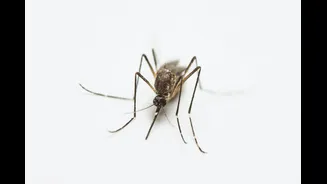
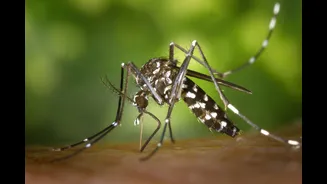
Monsoon health risks are a complex mix of environmental factors, and a single score rarely captures the full picture. The season creates a perfect storm for three main types of illnesses. First are the vector-borne diseases like dengue, malaria, and chikungunya, as stagnant water becomes a breeding ground for mosquitoes. Second are water-borne infections such as typhoid, cholera, and hepatitis A, which spread when heavy rains contaminate drinking water supplies. Third are respiratory infections and fungal issues, which are made worse by high humidity and people spending more time in poorly ventilated indoor spaces. A simple health score often focuses on only one of these risks, leaving you unaware of the others. True preparedness means understanding all three and taking comprehensive precautions.
Your Personal Monsoon Health Plan
Since official alerts can be vague, it's wise to create your own system of clear actions. This is your personal 'escalation advice'. Start by translating alerts into specific tasks. If you see a high alert for mosquito-borne diseases: check your home and surroundings weekly for stagnant water in coolers, pots, and drains; use mosquito repellents and nets; and know the early symptoms like high fever with severe body ache. For water-borne disease warnings: drink only boiled or filtered water, avoid street food that uses water of unknown origin, and practice strict hand hygiene. If the AQI is poor or worse: limit outdoor time for children and the elderly, keep windows closed, and consider using an air purifier. By linking each type of alert to a predefined set of actions, you can respond effectively instead of worrying helplessly.
Knowing When to Seek Medical Help
A crucial piece of escalation advice is knowing the warning signs that require immediate medical attention. Many monsoon illnesses start with similar symptoms like fever and body ache. For dengue, warning signs after the initial fever subsides include severe abdominal pain, persistent vomiting, bleeding from the gums or nose, and restlessness. For water-borne diseases like typhoid, a persistent fever that doesn't break is a key indicator. In the case of any high fever, the safest first step is to take paracetamol and consult a doctor rather than self-medicating with other painkillers like ibuprofen or aspirin, which can be dangerous in certain infections like dengue. Early medical consultation allows for proper diagnosis and prevents illnesses from becoming severe.