




Your Body’s Built-In Reset Button
To understand how this works, we need to talk about the vagus nerve. Think of it as a biological superhighway that runs from your brain to your abdomen, connecting to your heart, lungs, and digestive system. It’s the main component of the parasympathetic
nervous system, which is responsible for your body's “rest and digest” functions. When the vagus nerve is stimulated, it tells your body to calm down, slowing your heart rate and deepening your breathing. It actively counteracts the “fight or flight” response that characterizes anxiety and panic. A healthy, well-stimulated vagus nerve—what experts call good “vagal tone”—is linked to better mood regulation and resilience to stress.
The Science of the Cold Shock
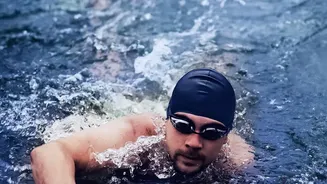
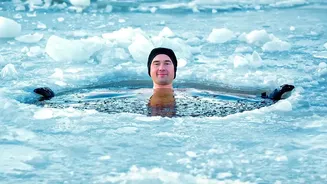
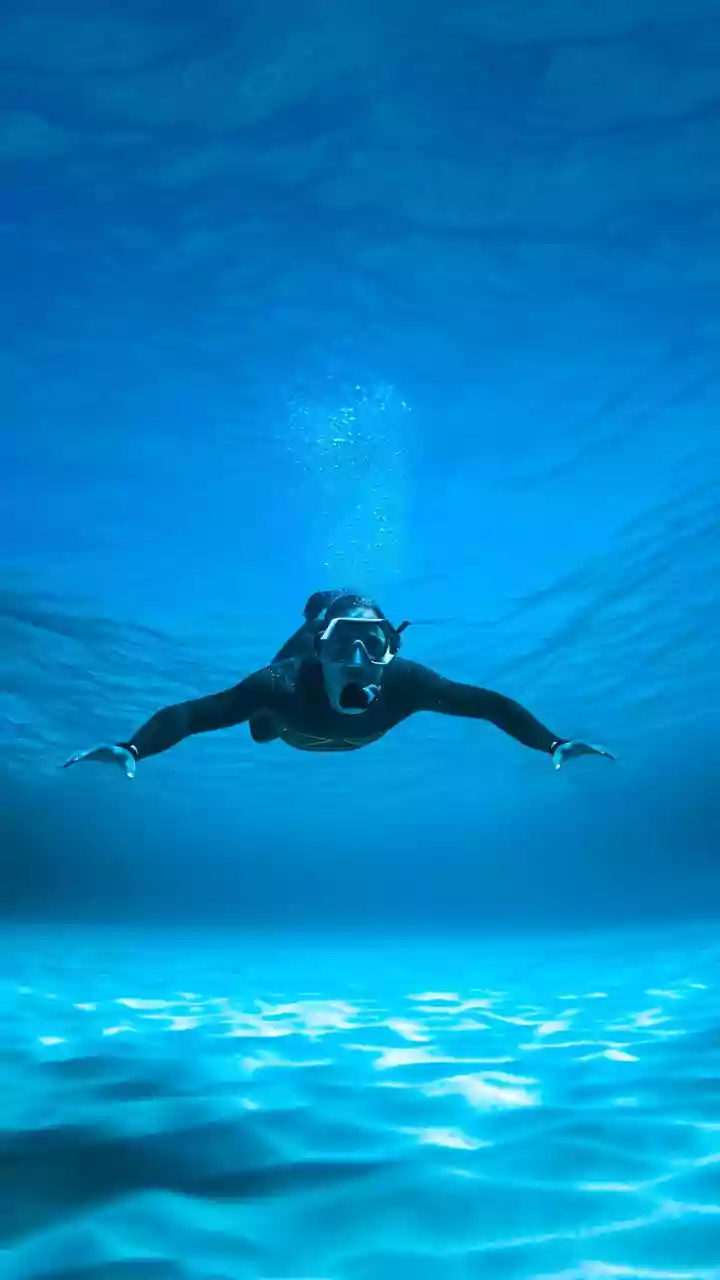
So, where does cold water come in? Submerging your face in cold water triggers an involuntary survival mechanism called the mammalian diving reflex. This reflex is hardwired into all mammals to conserve oxygen when underwater. When the cold receptors in your face, particularly around your nose and under your eyes, are activated, they send a powerful signal directly to your brain via the trigeminal nerve, which in turn stimulates the vagus nerve. This is the most critical part of the process. The vagus nerve then responds by immediately slowing your heart rate and constricting blood vessels in your extremities to redirect blood to your vital organs. You are essentially tricking your body into a state of calm by activating a primitive reflex.
From Panic to Calm in Seconds
When you’re in the grips of an anxiety spike, your sympathetic nervous system—the “fight or flight” system—is in overdrive. Your heart is pounding and your breathing is shallow. The diving reflex acts as a powerful interruption to this cycle. By stimulating the vagus nerve, the cold water forces a shift to the parasympathetic “rest and digest” state. This physiological shift can be felt almost immediately as your heart rate slows and a sense of calm begins to set in. It’s not just a distraction; it's a genuine biological reset that helps dial down the physical symptoms that fuel the feeling of panic. It brings your focus away from racing thoughts and into the present physical moment, much like a grounding exercise.
A Step-by-Step Guide to the Technique
Ready to try it? The method is simple, accessible, and can be done almost anywhere. First, find a bowl or basin large enough to fit your face. Fill it with cold tap water; adding a few ice cubes can increase the effect, but isn't strictly necessary, especially when you're starting out. Take a deep breath and hold it. Lean over and submerge your face, making sure the area around your eyes and cheeks is covered. Hold it for 15 to 30 seconds. You don't need to hold it for long; even a short duration is enough to kickstart the reflex. Come up for air, breathe, and repeat if you feel you need to. If a full dunk feels too intense, you can achieve a similar, albeit milder, effect by splashing your face with cold water or holding an ice pack against your cheeks and forehead.
Important Considerations and Safety
While this technique is generally safe for most people, it's not for everyone. The sudden shock of cold water can be a jolt to the system. Individuals with pre-existing heart conditions, such as arrhythmias or very low blood pressure, should consult with a doctor before attempting it. The technique causes a rapid drop in heart rate, which could be problematic for certain cardiovascular issues. It’s also important to listen to your body. Never force yourself to stay submerged to the point of serious discomfort or pain. Start with shorter durations and less icy water to see how your body responds. This technique is a tool for managing acute moments of distress, not a cure for chronic anxiety, which often requires a more comprehensive approach including therapy and other lifestyle changes.