



The Invisible Ingredient: Microplastics and Nanoplastics
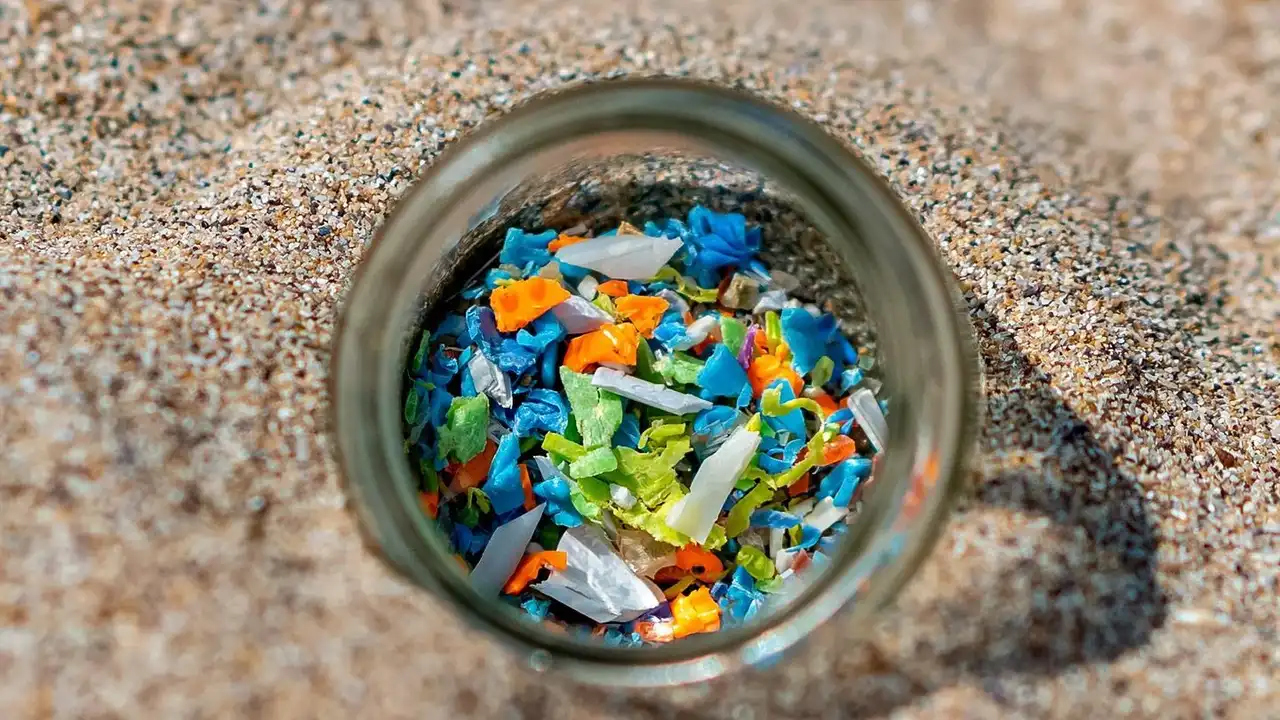
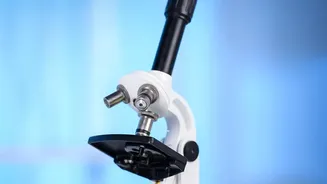
First, let's break down the terminology. Scientists are looking at two main culprits: microplastics and nanoplastics. Microplastics are tiny plastic fragments less than 5 millimetres long—about the size of a pencil eraser or smaller. Nanoplastics are even
smaller, measuring less than 100 nanometres, making them invisible to the naked eye and capable of crossing biological barriers within the body. These particles aren't a specific type of plastic, but rather the result of larger plastic items like bags, bottles, and containers breaking down over time. They also come from synthetic fibres shed from clothing during washing and from particles worn off car tyres.
From Ocean to Plate: How Plastics Enter Our Food
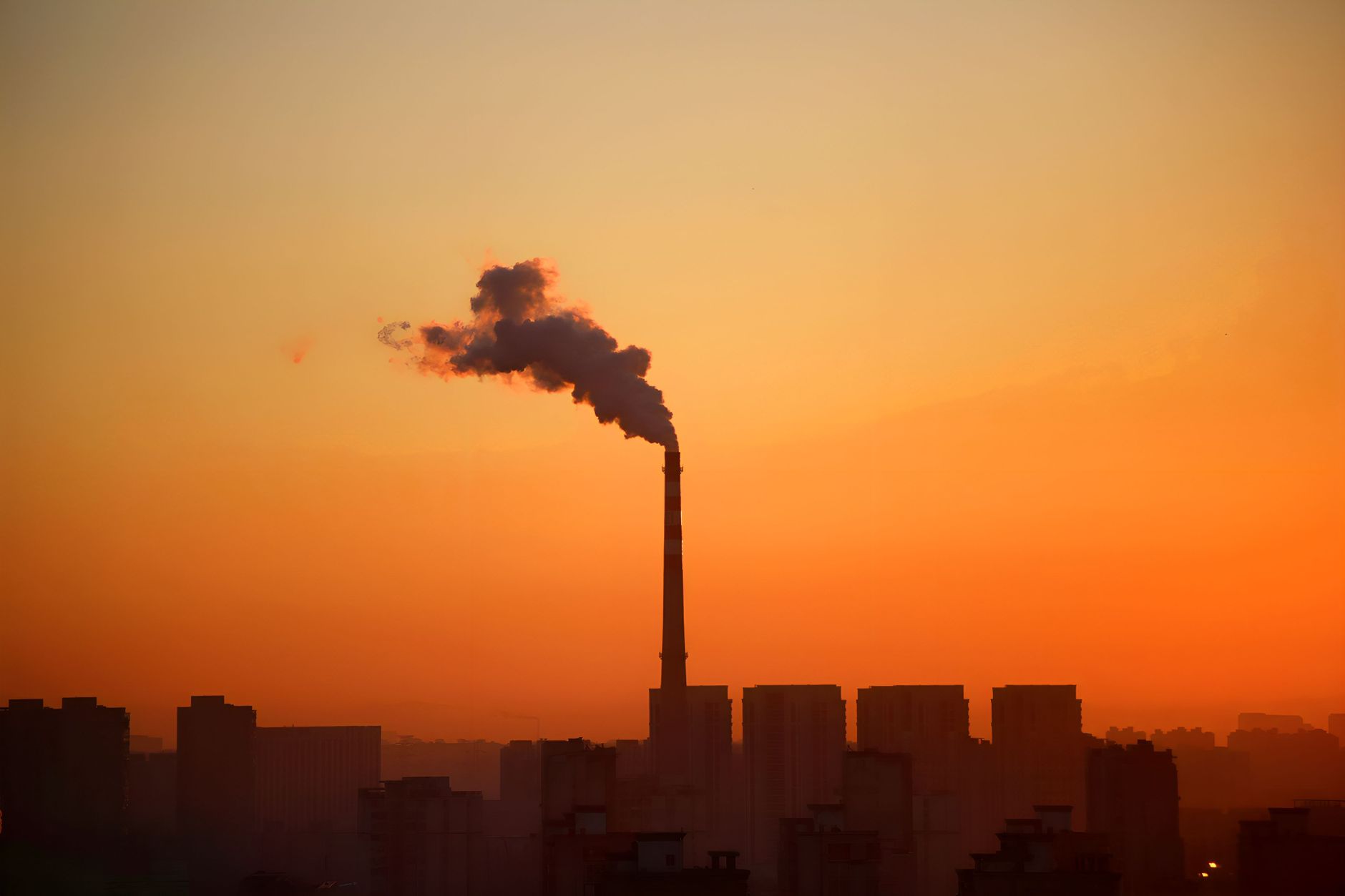
Plastic particles have become widespread in our environment, infiltrating soil, water, and air. This environmental contamination is a primary route into our food supply. For example, particles in the ocean are ingested by marine life, which can then end up on our plates. Studies have found microplastics in a high percentage of seafood samples. On land, plastics can get into the soil through things like plastic mulch or contaminated water, and research is exploring how these particles might be absorbed by the fruits and vegetables we eat. Another significant pathway is food packaging and processing. While high-quality food-grade plastic is designed to be stable, heat and friction can cause particles to leach into food. This can happen when microwaving food in plastic containers or using plastic kitchen tools like cutting boards and utensils.
A Look at the Menu: Which Foods Are Most Affected?
While research is ongoing, some food categories have been identified as more common sources of microplastic exposure. Due to widespread pollution in aquatic environments, seafood like shellfish is a notable carrier. Drinking water, both bottled and tap, has also been shown to contain microplastics, though some studies suggest bottled water may contain significantly more. Other everyday items where these particles have been found include honey, tea (especially from plastic tea bags), and even processed foods like chicken nuggets, which tend to have more microplastics than their unprocessed counterparts. Even the salt on your table isn't immune, as sea salt can contain particles from the water it was harvested from.
The Health Question: What Are the Risks?
This is the most critical and complex part of the issue. The short answer is: scientists are still working to understand the full impact. What we know is that these particles are being found inside the human body—in blood, major organs like the liver and brain, and even in placentas and breast milk. The concern is that these particles, particularly the smaller nanoplastics, could cause harm. Experimental studies have linked them to issues like inflammation, cell damage, and metabolic problems. A recent study even noted a higher mortality rate in patients who had plastic particles within arterial plaques. However, it's important to note that much of this research is still associative, not causal. Health organizations like the World Health Organization are actively studying the topic, but currently, there isn't enough evidence to establish a definitive link to specific diseases in humans based on current exposure levels.
Navigating a Plastic World: Can We Reduce Our Exposure?
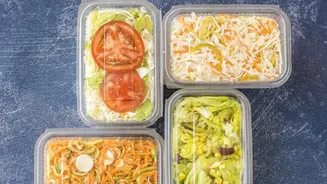
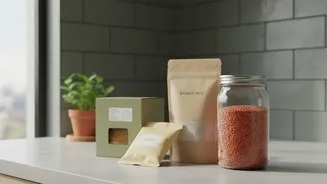
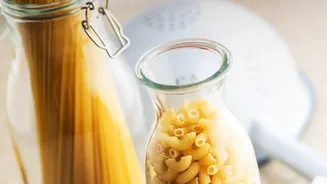
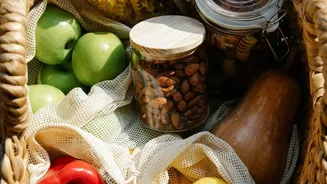
While eliminating exposure completely is likely impossible, you can take practical steps to reduce it. Experts recommend simple changes in the kitchen, such as storing and reheating food in glass or ceramic containers instead of plastic. Swapping plastic cutting boards and utensils for wood or stainless steel alternatives can also help. Opting for fresh, unprocessed foods over highly processed ones can make a difference, as can choosing tap water (especially if filtered) over bottled water. Other lifestyle choices, like preferring clothes made from natural fibres such as cotton and wool over synthetics like polyester, can reduce the overall environmental load of microplastics that eventually finds its way back to us.