




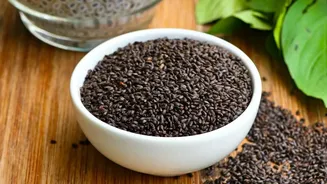


Jamun (Indian Blackberry)
This deep purple fruit is a quintessential monsoon delight. Jamun, or black plum, is low in calories but packed with nutrients like iron, potassium, and Vitamin C, which is crucial for boosting immunity during a season known for colds and flu. According
to Ayurveda, its astringent properties are beneficial for gut health, helping to keep common digestive issues at bay. Its ability to help manage blood sugar levels makes it another excellent reason to add this seasonal star to your fruit bowl.
Peaches and Plums
Both peaches (Aadu) and plums (Aloo Bukhara) are at their juicy best during the rains. They are fantastic sources of dietary fibre, which aids a digestive system that can become sluggish in the humid weather. Rich in antioxidants and Vitamin C, these fruits help protect the body from infections and cellular damage. Their sweet and tangy flavours offer a refreshing break, whether eaten whole as a snack or added to desserts and salads for a burst of seasonal freshness.
Pomegranate (Anaar)
The jewel-like seeds of the pomegranate are a powerhouse of wellness, making it an ideal fruit for the monsoon. Pomegranates are loaded with powerful antioxidants that possess anti-inflammatory properties, helping to fortify your body against common infections. It is also known to be excellent for heart health and for boosting haemoglobin levels, which helps in maintaining energy during the often gloomy and lethargic rainy days. Enjoy it as a juice or sprinkle the seeds over salads and yogurt.
Bottle Gourd (Lauki)
Often considered a humble vegetable, lauki truly shines during Shravan and the monsoon. It is incredibly light on the stomach and easy to digest, a quality highly recommended by Ayurveda when digestive fire (agni) is considered weaker. With its high water content, it helps keep you hydrated. Lauki is also rich in fibre and helps in maintaining a healthy digestive tract. Its versatility in cooking, from simple curries to soups, makes it a staple for healthy, sattvic meals observed during this month.
Pointed Gourd (Parwal)
Parwal is another vegetable that is highly valued during the rainy season for its health benefits. It is known to be easy to digest and is often recommended to help with flu, colds, and coughs. In Ayurvedic tradition, it is believed to help balance the body's doshas, which can be aggravated by the damp weather. This gourd is rich in vitamins and can be cooked in various ways, most commonly as a simple stir-fry or in a light gravy, making it a comforting and nourishing addition to your monsoon diet.
Bitter Gourd (Karela)
While its bitter taste might not appeal to everyone, karela is a medicinal powerhouse, especially beneficial during the monsoon. It is packed with antiviral and antibacterial properties that help cleanse the system and build a strong defence against infections. Bitter gourd is also celebrated for its ability to purify the blood and benefit the skin, which can be prone to issues in humid weather. Including it in your diet, even in small quantities, can significantly boost your overall immunity and wellness.
Corn (Bhutta)
No monsoon experience in India is complete without a roasted ear of corn. Beyond being a beloved snack, bhutta is nutritionally beneficial. It is a good source of fibre, which supports healthy digestion, and is rich in antioxidants that protect the body from damage. While the roasted version with lime and salt is a classic, you can also enjoy boiled corn kernels in salads or soups. Opting for roasted or boiled corn is a healthier choice over fried versions to keep your meals light and wholesome.