








Why Your Confirmations Are Crucial
A booking confirmation for a flight, hotel, or tour is more than just a receipt; it is a contract. It’s your proof that a reservation was made and paid for, outlining all the agreed-upon details. When your package includes visa processing, this paperwork
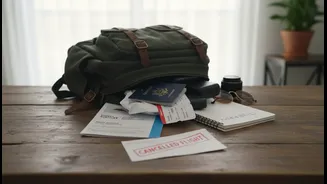
becomes even more vital. Visa applications often require a detailed travel itinerary, including flight reservations and accommodation proof. Missing documents can lead to application delays or even rejections. Furthermore, should any disputes arise with your travel agent—such as a failure to provide a booked service—these confirmations are your primary evidence. Without them, proving your case and seeking a refund becomes significantly harder.
The Pre-Booking Paper Trail
Your record-keeping should start before you even pay. Keep copies of all initial communications with your travel agent or tour operator. This includes emails detailing the package contents, price quotes, and any terms and conditions provided. Pay close attention to what the package includes and what it excludes, as many travellers face unexpected costs for items like visa fees, airport taxes, or optional tours that weren't clearly itemised. Having a record of these initial discussions can protect you if the final package differs from what was advertised or promised. It establishes a baseline of your agreement and can be invaluable if you need to challenge a charge or service failure later.
Your Essential Confirmation File
Once you've booked, it’s time to create a dedicated folder for all confirmations. This file should contain every document you receive, no matter how minor it seems. Key items to save immediately include: payment receipts, full flight itineraries, hotel booking vouchers, tour and activity confirmations, travel insurance policies, and, critically, any correspondence related to your visa application. This includes the submitted application form, appointment letters, and the receipt for the visa fee. A common mistake is assuming a single email confirmation covers everything. Often, you'll receive separate documents for each component of your package. Save each one with a clear, logical name.
Digital and Physical: A Hybrid Approach
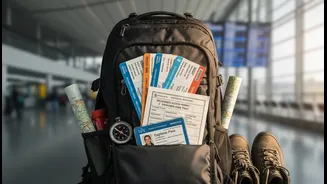
In the digital age, relying solely on your inbox is risky. Emails can be accidentally deleted, and accessing them overseas without reliable internet can be a challenge. The best strategy is a hybrid one. Create a digital folder on a cloud service like Google Drive or Dropbox and save a PDF of every document. This ensures your files are safe and accessible from any device. At the same time, print physical copies of the most critical documents: your passport ID page, visa, flight tickets, and first-night accommodation confirmation. Keep this physical folder in your carry-on luggage, never in your checked bags. If your phone dies or an airline's system goes down, these paper copies can be a lifesaver.
Organize for a Stress-Free Journey
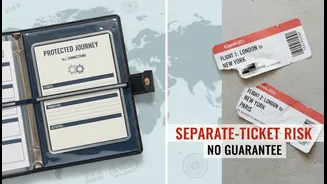
A well-organized folder makes navigating airports and immigration checkpoints much smoother. Arrange your documents chronologically or by category (e.g., Flights, Hotels, Visa). Some frequent travellers use a tabbed organiser to keep everything in order. When an official asks for a specific document, you want to be able to find it in seconds rather than fumbling through a messy stack of papers. This simple act of organisation projects confidence and preparedness, reducing stress for you and ensuring a smoother process for everyone involved. Ensure the name on your tickets and bookings exactly matches your passport to avoid any mismatches at check-in.