




The Monsoon's Humidity Dilemma
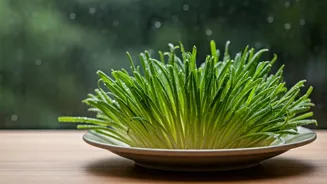
The monsoon brings welcome relief from the scorching summer heat, but it also ushers in high humidity and dampness. While great for the environment, these conditions create a perfect breeding ground for bacteria and mould. Sprouts, with their high water
content and the very process of germination, are particularly vulnerable. The warm, moist environment needed to make seeds sprout is unfortunately the same environment that pathogens like E. coli, Salmonella, and Listeria love. During the monsoon, this risk is amplified, as airborne bacteria and fungi can easily settle and multiply on the surface of raw sprouts, whether they are store-bought or homemade.
Why Raw Isn't Always Right
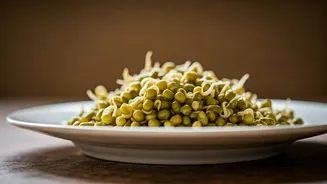
We often eat sprouts raw in salads, chaats, and sandwiches, believing we're getting the maximum nutritional benefit. And while raw foods are rich in certain enzymes and vitamins, they also carry a higher risk of foodborne illness. The Food Safety and Standards Authority of India (FSSAI) has previously noted that raw sprouts are a high-risk food. When contaminated, they can cause unpleasant and sometimes severe symptoms like diarrhoea, stomach cramps, and vomiting. For individuals with weaker immune systems, such as children, the elderly, or pregnant women, these infections can be particularly dangerous. The monsoon season simply raises the stakes, making the raw consumption of sprouts a gamble not worth taking.
The One Habit: Lightly Cook Your Sprouts
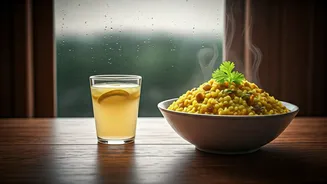
So, what is the single habit that can change everything? It’s simple: stop eating your sprouts raw and start cooking them. This one change is the most effective way to make your sprouts monsoon-friendly. Lightly cooking your sprouts—whether by steaming, blanching, or sautéing—heats them to a temperature that is sufficient to kill off most harmful bacteria and pathogens clinging to their surface. This dramatically reduces the risk of foodborne illness without significantly compromising their nutritional profile. You still get the fibre, protein, and majority of the vitamins and minerals, but with the added peace of mind that comes from knowing your food is safe.
How to Cook Sprouts Perfectly
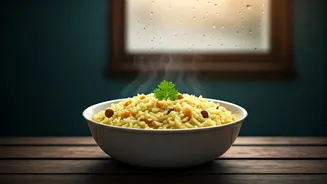
Adopting this habit doesn't mean you have to eat mushy, overcooked sprouts. The key is to cook them lightly and quickly. Here are two easy methods: 1. **Blanching:** Bring a pot of water to a rolling boil. Add your sprouts and let them cook for just 2-3 minutes. Immediately drain them and plunge them into a bowl of cold water to stop the cooking process. This keeps them crisp and fresh-tasting, perfect for adding to salads or raita. 2. **Sautéing or Stir-frying:** Heat a little oil or ghee in a pan. Add some mustard seeds, cumin, and a pinch of turmeric. Toss in your sprouts and stir-fry on high heat for 3-5 minutes until they are just tender but still have a bite. You can add onions, tomatoes, and spices to turn it into a delicious side dish or sabzi.
Better Digestion, An Added Bonus
Beyond safety, cooking sprouts offers another significant benefit: improved digestibility. Raw sprouts contain complex sugars and anti-nutrients that can be difficult for some people to digest, often leading to gas and bloating. The light cooking process helps break down these compounds, making the nutrients more accessible to your body and placing less stress on your digestive system. So, not only are you making your sprouts safer, you might also find them much gentler on your stomach. It's a win-win that enhances your overall digestive wellness during a season when gut health can already be sensitive.