





Waterproof Your World
The first rule of monsoon travel is that water gets into everything. Your primary defence is a multi-layered waterproofing strategy. Start with a reliable rain cover for your main backpack or suitcase. For electronics, documents, cash, and medications,
use zip-seal pouches or dedicated dry bags. These create a crucial barrier against moisture, whether you're caught in a sudden downpour or dealing with pervasive dampness. A waterproof phone case or pouch is non-negotiable, allowing you to use your device for navigation or communication even in the rain without risking water damage. Think of it as insurance for your most critical gear.
Power Through Outages
Power cuts and unreliable electricity are common during the monsoon season, especially in hilly or rural areas. Losing your phone battery when you need it for maps, communication, or emergency contacts can be a serious issue. A fully charged, high-capacity power bank is an absolute essential. Consider keeping it in its own waterproof pouch to protect it from moisture. For longer trips or travel to more remote regions, a compact solar charger can provide an extra layer of security, ensuring you can stay connected even during extended outages.
A Monsoon-Specific First-Aid Kit
Your standard first-aid kit needs a monsoon upgrade. The damp, humid environment is a breeding ground for bacteria and fungi. Ensure your kit includes an antiseptic solution, waterproof bandages, and an anti-fungal cream or powder to treat minor cuts and prevent infections. Mosquitoes are also more prevalent, so a strong insect repellent is vital to protect against diseases like dengue and malaria. Pack oral rehydration salts (ORS) and electrolyte sachets; the high humidity can lead to dehydration faster than you might think. Also include any personal prescription medications, ensuring you have enough for the entire trip plus a few extra days in case of travel delays.
Stay Dry and Comfortable
Staying dry is not just about comfort; it's about health. Packing clothes made from quick-drying synthetic fabrics is a game-changer. Cotton absorbs moisture and can take hours or even days to dry in the humid air, leaving you feeling damp and cold. In contrast, synthetic T-shirts, trousers, and underwear will dry much faster. A microfibre towel is another smart addition; it's lightweight, highly absorbent, and dries in a fraction of the time of a traditional cotton towel. These items help you manage the dampness and prevent the discomfort and skin issues that can arise from wearing wet clothes.
The Right Footwear and Light
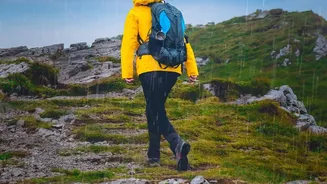
Slippery paths, muddy trails, and waterlogged streets make proper footwear essential for safety. Choose waterproof or water-resistant shoes, sandals, or boots with a strong grip to prevent slips and falls. Avoid leather, which gets ruined in water, and opt for rubber or synthetic materials. For emergency preparedness, a reliable, waterproof flashlight or headlamp with extra batteries is crucial. Power cuts can leave you in complete darkness, and a good light source is necessary for navigating your hotel room, finding your way on an unlit path, or signalling for help if needed.
Emergency Food and Water
Heavy rains can cause unexpected travel disruptions, from road closures due to landslides to significant train and flight delays. You could find yourself stranded for hours without access to restaurants or shops. Keep a small stash of non-perishable, high-energy snacks like nuts, protein bars, or biscuits in your bag. It's also wise to carry a reusable water bottle, preferably with a built-in filter or accompanied by water purification tablets. This ensures you have access to safe drinking water, as supplies can become contaminated during floods.