




Gourds: The Monsoon Staples
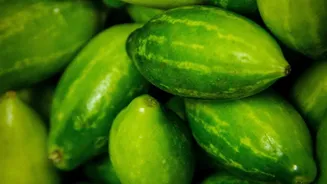
The rainy season brings a spectacular variety of gourds to local markets across the country. Bottle gourd (lauki), ridge gourd (turai), and pointed gourd (parwal) are at their peak. These vegetables are incredibly light on the stomach and easy to digest,
making them a cornerstone of Shravan meals. Because of their high water content and subtle flavour, they are ideal for those observing fasts, often prepared as simple sabzis using rock salt (sendha namak). Lauki, in particular, is versatile and can be used to make everything from savoury dishes to sweet halwa.
Corn: The Quintessential Rainy Day Snack
The sight and smell of roasted corn on the cob, or bhutta, is synonymous with the Indian monsoon. Harvested during this period, corn is an energising and satisfying vegetable. While it might not be on every fasting menu, it's a beloved part of the seasonal diet for everyone else. Enjoyed simply boiled or roasted over coals and seasoned with lime, salt, and chilli, bhutta offers a comforting and fibre-rich snack on a rainy day. Its natural sweetness and filling nature make it a healthy and popular choice.
Jamun: The Tart Superfruit
Jamun, or the Indian blackberry, is a true monsoon treasure. This deep-purple fruit is celebrated for its unique sweet, sour, and astringent taste. It has a short but glorious season that aligns perfectly with Shravan. Rich in antioxidants and Vitamin C, jamun is known to boost immunity, which is especially helpful during a season prone to infections. It's also traditionally recommended for its digestive properties and is considered beneficial for managing blood sugar levels. It can be eaten fresh, made into juice, or used in desserts.
Root Vegetables: Earthy and Energising
The moist soil of the monsoon is perfect for root vegetables, and two that feature prominently in Shravan cuisine are taro root (arbi) and sweet potato (shakarkandi). Both are considered acceptable for fasting (vrat). They are excellent sources of complex carbohydrates, providing sustained energy. Arbi can be made into a dry or curried dish, while shakarkandi is often boiled or roasted and eaten as a simple, naturally sweet snack. These vegetables provide a hearty and grounding element to meals.
Cucumber: The Cooling Hydrator
Cucumber (kheera) is another vegetable that thrives during the rains. Its high water content and cooling properties make it an excellent addition to any diet, especially during the humid monsoon weather. For those fasting, cucumber is a refreshing and hydrating choice that requires no cooking. It can be eaten raw, added to curd to make raita, or juiced. It's light, cleansing, and helps maintain hydration levels, fitting perfectly within the principles of a sattvic Shravan diet.
Pomegranate and Peach: A Burst of Flavour
Fruits are a vital part of the Shravan diet, and the monsoon brings some delightful options. Pomegranate (anaar), with its jewel-like seeds, and peaches (aadu) are widely available. Both are packed with essential vitamins and antioxidants that help strengthen the body's defences. Pomegranate is often sprinkled over fasting dishes like sabudana khichdi for a burst of colour and nutrition. Peaches, juicy and fragrant, make for a delicious and wholesome snack on their own. These fruits offer natural sweetness and energy, making them a perfect food for the season.