







Embrace Warming Soups and Broths
There's nothing quite like a warm bowl of soup on a cool, rainy day. Instead of creamy, heavy options, opt for clear broths and vegetable-based soups. A simple tomato shorba, a mixed vegetable soup seasoned with black pepper, or a light chicken broth can
be incredibly nourishing. These are not only hydrating but also easy on the digestive system, which can become sluggish during the monsoon. Adding ingredients like garlic, ginger, and turmeric will give your meal an extra anti-inflammatory and anti-bacterial boost, helping you ward off common seasonal infections like the cold and flu.
Swap Fried Snacks for Steamed Options
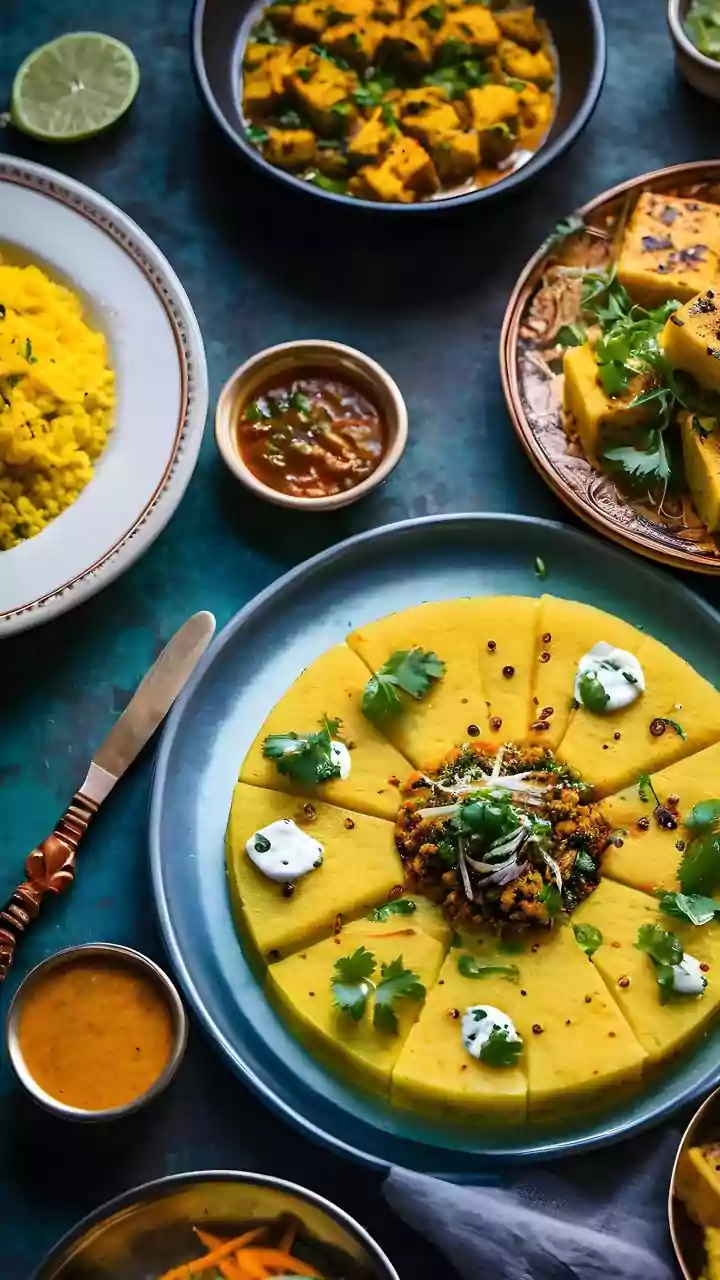
The quintessential rainy day image involves a plate of hot pakoras or samosas. While delicious, these deep-fried snacks can lead to indigestion, bloating, and lethargy. A smarter swap is to choose steamed alternatives that deliver on comfort without the heaviness. Think steamed corn, vegetable momos, or soft dhokla. Even a classic street food like bhutta (roasted corn on the cob), seasoned with lemon and spices, is a far healthier and equally satisfying choice. These options are lighter, lower in oil, and preserve more of the nutrients in the ingredients.
Power Up with Probiotics
The humidity and increased moisture during the monsoon can create a breeding ground for bacteria, making gut health more important than ever. A healthy gut is the foundation of a strong immune system. Incorporate probiotic-rich foods into your diet to maintain a healthy balance of gut flora. Plain yoghurt, buttermilk (chaas), and kefir are excellent choices. A simple bowl of dahi with a pinch of roasted jeera or a glass of masala chaas can be a refreshing and beneficial addition to your meals, helping to improve digestion and enhance nutrient absorption.
Rethink Your Comforting 'Chai'
For many, rain is incomplete without a cup of masala chai. While there’s no need to give it up, you can make it work harder for your health. Instead of loading it with sugar, enhance it with spices known for their medicinal properties. Add fresh ginger to aid digestion, cloves and cardamom for their antiseptic qualities, and a stick of cinnamon to help regulate blood sugar. You can also explore other warm beverages like herbal teas. A cup of tulsi, chamomile, or peppermint tea can be wonderfully calming and offer various health benefits without the caffeine.
Choose Your Spices Wisely
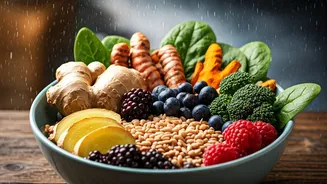
Indian spices are not just for flavour; they are a powerhouse of therapeutic compounds. This is the perfect season to use them generously. Turmeric (haldi) is a potent anti-inflammatory and antioxidant, making 'haldi doodh' (turmeric milk) an ideal bedtime drink. Ginger and garlic are known for their powerful immune-boosting and anti-viral properties. Black pepper (kali mirch) not only adds a pungent kick but also enhances the absorption of nutrients, particularly curcumin from turmeric. Fenugreek (methi) and asafoetida (hing) are excellent for preventing gas and bloating.
Opt for Light, Cooked Meals
During the monsoon, it's generally advised to avoid raw foods, including salads and uncooked vegetables, as the risk of contamination is higher. Instead, focus on light, well-cooked meals. A simple moong dal khichdi is a perfect example of a balanced, easy-to-digest meal that provides both protein and carbohydrates. Other good options include steamed or sautéed vegetables instead of raw salads. Cooking food not only kills harmful bacteria but also makes it easier for your body to digest and absorb the nutrients, which is crucial when your digestive fire might be weaker.