




A Growing Barrier to Travel
The latest Global Passenger Survey (GPS) from IATA, released in late October 2026, paints a clear picture: difficult immigration procedures are a major and growing deterrent for travellers worldwide. According to the survey, which polled over 10,000 people
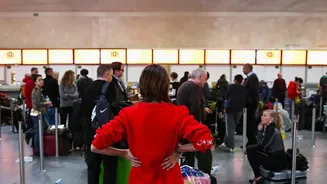
across 200 countries, 43% of potential travellers have been discouraged from visiting a destination specifically because of its immigration requirements. This represents a dramatic 10-point increase from the 33% who felt the same way in 2025, signalling a rising frustration that is outpacing the travel industry's otherwise forward momentum. For those who were deterred, the primary reason wasn't cost or privacy concerns, but the sheer complexity of the process itself, cited by 53% of these respondents. This suggests that cumbersome forms, unclear instructions, and lengthy processing times are actively causing people to vote with their feet and choose simpler destinations.
The Indian Traveller's Burden
For holders of an Indian passport, this news is hardly a surprise. Indian travellers routinely face some of the most strenuous visa application processes in the world. The journey to a foreign holiday often begins months in advance, involving a gauntlet of document submission, financial proof, and the nerve-wracking wait for an approval that may never come. The frustration is palpable, with many feeling a sense of dread and anxiety when approaching the visa process for Western countries. The financial sting is also real; for Schengen visas alone, it was reported that Indian applicants lost over $16 million in non-refundable fees from rejections in 2025. Despite this, demand remains incredibly high, with India becoming the third-largest source of Schengen visa applications. This demonstrates a massive, travel-hungry market that is often constrained not by a lack of desire or funds, but by bureaucratic hurdles.
The Economic Cost of Complexity
This isn't just about disappointing holidaymakers; it's a multi-billion dollar economic issue. When countries make it hard for tourists to visit, they are essentially turning away revenue. Stringent visa regulations can lead to a significant decline in tourist arrivals, as travellers simply opt for more accessible destinations. The World Travel and Tourism Council has previously estimated that relaxing visa rules could generate hundreds of billions in additional tourist revenue and create millions of jobs. In a post-pandemic world where many nations are still trying to rebuild their tourism sectors, maintaining complicated visa regimes is a self-inflicted wound. Airlines also suffer, as they are tasked with verifying a confusing array of digital and paper visas, facing hefty fines if they get it wrong.
A Clear Demand for Digital Solutions
While governments lag, passenger expectations are moving firmly into the digital age. The same IATA survey shows an overwhelming appetite for technology to simplify these processes. A full 60% of travellers stated they prefer to apply for their visa online rather than in person at a consulate. Furthermore, an impressive 86% of passengers are willing to share their immigration information digitally before departure to speed things up. There is also strong interest in digital passports, with 84% of respondents keen to use a digital document instead of a physical one for check_in. Passengers are ready and willing to embrace biometrics and digital identities if it means a smoother journey. The technology exists, but the bottleneck is a lack of standardization and political will among governments to create a more unified, seamless system.