



Winter's Bounty: Greens and Roots
Winter brings a welcome chill and a bounty of vibrant, nutrient-dense produce. This is the season to load up on vegetables that strengthen immunity and provide warmth. The markets are flooded with fresh greens and hearty root vegetables that are at their
flavourful best. Embracing these vegetables is the easiest way to align your diet with nature's rhythm, providing comfort and nourishment when your body needs it most.
Leafy Greens (Palak, Methi, Sarson)
Winter is synonymous with leafy greens. Spinach (palak), fenugreek (methi), and mustard greens (sarson) are staples. Rich in iron, Vitamin K, and antioxidants, they are perfect for boosting energy and immunity during the colder months. From the iconic Sarson ka Saag in the north to simple Palak Paneer or Methi Thepla, these greens are incredibly versatile. They help fight inflammation and are excellent for digestive health, making them a non-negotiable part of the winter diet.
Root Vegetables (Gajar, Mooli)
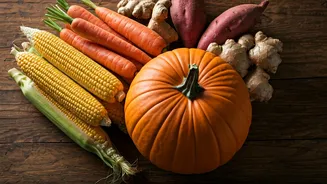
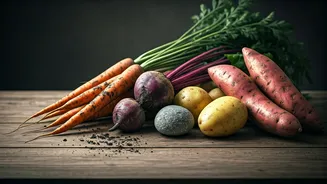
The sweet, crisp carrots (gajar) and pungent radishes (mooli) of winter are unparalleled. Carrots are packed with beta-carotene, which the body converts to Vitamin A, crucial for eye health and immune function. Think warm Gajar ka Halwa or a simple carrot and pea sabzi. Mooli, often eaten raw in salads or used to make stuffed parathas, is a fantastic digestive aid and helps clear sinuses, a common winter ailment. Both are hydrating and full of fibre.
Summer Essentials: Hydration and Cooling
As the temperature soars, our bodies crave foods that are cooling and hydrating. Summer vegetables are typically high in water content, helping you stay refreshed and replenished. They are lighter on the stomach and easy to digest, which is ideal for the sluggishness that can accompany intense heat. These vegetables help prevent dehydration and provide essential electrolytes lost through sweat.
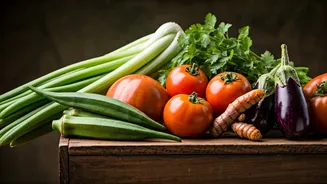
Gourds (Lauki, Turai, Karela)
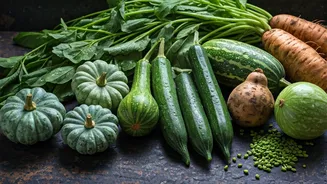
The gourd family reigns supreme in summer. Bottle gourd (lauki), ridge gourd (turai), and even bitter gourd (karela) are dietary staples. Lauki and turai are over 90% water, making them incredibly hydrating and cooling. They are also low in calories and easy to digest. A simple lauki ki sabzi is comfort food for the season. While bitter, karela is prized for its blood-purifying properties and ability to regulate blood sugar, making it a medicinal powerhouse in the summer heat.
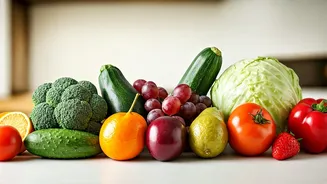
Cucumber and Pumpkin (Kakdi, Kaddu)
Cucumber (kakdi) is the ultimate summer cooler. Eaten raw, juiced, or added to raita, its high water and low-calorie content make it a perfect snack. Pumpkin (kaddu), both the green and yellow varieties, is also a summer star. Rich in potassium and Vitamin A, it’s often prepared in a sweet-and-sour style (khatta meetha kaddu) that complements its natural sweetness and provides a delicious, light meal.
Monsoon Harvest: Immunity and Digestion
The monsoon brings relief from the heat but also a rise in water-borne diseases and digestive issues. The seasonal produce during this time is geared towards boosting immunity and being easy on the digestive system. It’s a time for vegetables that are less leafy (to avoid mud and germs) and are often cooked thoroughly to ensure safety and digestibility.
Beans and Corn (Phaliyan, Bhutta)
Various types of beans (phaliyan), like French beans and cluster beans (gavar), are abundant during the monsoon. They are a great source of fibre, protein, and vitamins. Easy to cook into a dry sabzi or add to curries, they provide sustained energy. Corn on the cob (bhutta), roasted over coals and seasoned with lemon and salt, is the quintessential monsoon snack. It's rich in fibre and antioxidants, offering a warm, satisfying, and healthy treat on a rainy day.