








The Burnout From a Packed Itinerary
The classic vacation model often involves a jam-packed schedule. We create detailed itineraries to maximise every moment, hopping from one landmark to the next in a determined effort to see it all. This approach is fuelled by a desire to get our money's
worth and capture the perfect photos for social media. However, this non-stop activity can lead to what is known as 'vacation burnout'. Instead of feeling refreshed, we return home physically tired and mentally drained. Studies show that while vacations can reduce stress and burnout, these positive effects often disappear within days of returning to work, sometimes immediately. The issue is that a frantic trip, filled with decision-making and sensory overload, mirrors the very pressures we are trying to escape.
The Rise of 'Slow Travel'
In response to this, a movement known as 'slow travel' is gaining significant popularity. This approach isn't about the speed of your transportation but the mindset you adopt. It champions spending more time in fewer places, trading a hectic checklist for a more immersive and meaningful connection with the local area. The trend has roots in the 'slow food' movement of the 1980s, which prioritised local cuisine over fast food. Today's slow travellers are applying the same philosophy, choosing to truly experience a destination by walking its neighbourhoods, eating where locals eat, and leaving ample room for spontaneity. This shift is partly a reaction to the burnout of modern life and the rising costs and crowds at major tourist hotspots.
Why Your Brain Needs Unscheduled Time
The benefits of leaving gaps in your schedule are backed by science. Our brains require rest to restore themselves from constant focus and information processing. Unstructured time, often called 'downtime' or 'buffer time', allows for this mental recovery. It reduces the cognitive load and stress associated with logistics and tight schedules. This mental break is when creativity often strikes, which is why good ideas can surface during a quiet walk or a relaxing shower. Research on 'attention restoration theory' suggests that spending time in nature or simply letting your mind wander without a specific task can replenish your ability to concentrate. By intentionally doing nothing, you are actively helping your brain recharge, reducing fatigue and improving your overall well-being upon your return.
How to Embrace Spontaneity and Rest
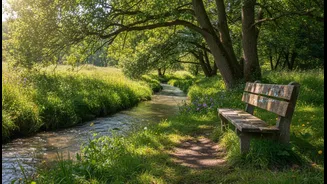
Incorporating rest into your travels doesn't mean you have to abandon planning altogether. It’s about being more intentional. A simple rule is to schedule only one major activity per day, leaving the rest of the day open for whatever feels right. This could mean discovering a local market, enjoying a long lunch at a sidewalk cafe, or simply reading a book in a park. Another effective strategy is to add 'buffer days' with no plans, especially at the beginning or end of your trip, to ease into the holiday and transition back to daily life. Resisting the urge to fill every moment allows for serendipitous discoveries and genuine connection with the place and its people—experiences that are often more memorable than any planned tour.