




The weekday dinner dilemma is real. After a long day of work, the thought of chopping, cooking, and cleaning can feel exhausting. For busy working couples, this often leads to repetitive takeout or last-minute, uninspired meals. What if you could change
that?
The 'Why' Behind Batch Cooking
Batch cooking is the practice of preparing meals or meal components in larger quantities to be consumed over several days. The goal isn't to eat the same exact meal all week, but to do the heavy lifting upfront so that weeknight dinners are a simple matter of assembling and reheating. The benefits are significant. It saves an immense amount of time during the week, reduces the mental load of deciding what to make each night, and often leads to healthier eating habits by making nutritious, home-cooked food the most convenient option. It can also be a cost-effective strategy, allowing you to buy ingredients in bulk and reduce food waste.
Plan as a Team, Win as a Team
The key to successful batch cooking for two is turning it into a collaborative effort. Before you even touch a pan, sit down together for 15-20 minutes over the weekend. Discuss your schedules and what you both feel like eating. A simple plan could be mapping out three or four dinners for the week. This prevents 'flavour fatigue' and ensures you're both invested in the meals. Involve each other in choosing the menu. Once you have your recipes, create a shared grocery list. This planning session removes guesswork and turns a potential chore into a shared weekly ritual.
Smart Food Selection is Key
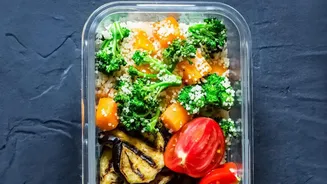
Not all foods are created equal when it comes to batch cooking. The best candidates are dishes and ingredients that hold up well and even improve in flavour after a day or two. Soups, stews, chillis, and curries are fantastic options as they reheat beautifully. You can also prep components to mix and match. Think a big pot of dal, roasted vegetables, a batch of quinoa or rice, and a versatile protein like pulled chicken or marinated paneer. This 'component prep' method offers more variety. You can use roasted vegetables in a pasta dish one night and in a grain bowl the next. Avoid prepping delicate greens or foods that get soggy, and if you're making pasta dishes, consider undercooking the pasta slightly so it's perfect upon reheating.
The Cook-Up: Divide and Conquer
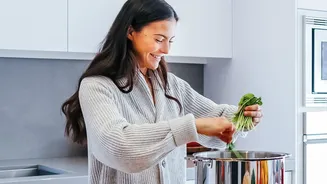
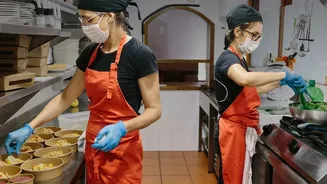
Dedicate a one to two hour block on a Sunday for your cooking session. The most efficient way to tackle this is to divide tasks. One person can be on chopping duty—prepping all the onions, garlic, and vegetables for the week—while the other manages the stovetop, cooking the grains and main dishes. An assemblyline approach works wonders. For example, while a large pot of chili simmers, you can be roasting vegetables and boiling eggs. The goal is to multitask efficiently without feeling overwhelmed. Put on some music, chat while you work, and make the experience enjoyable rather than a chore.
Store for Success
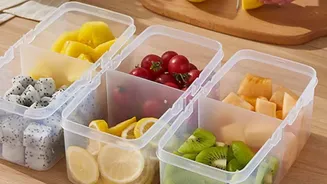
Proper storage is what makes your hard work pay off all week. Invest in a good set of glass containers, which are ideal because they are microwave, dishwasher, and freezer safe and won't impart any taste to your food. Portion meals into single or double servings. This makes grabbing lunch for work or heating up dinner for two incredibly simple. Label everything with the name of the dish and the date it was made. A good strategy is to keep a couple of meals in the fridge for the next two to three days and freeze the rest. This ensures freshness and gives you a library of readymade meals for future busy weeks.