







A Return to Eco-Conscious Tradition
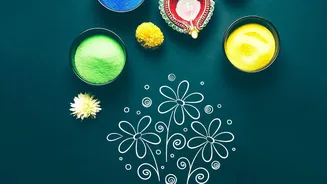
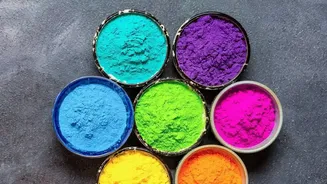
For centuries, rangoli was made with natural materials like rice flour, turmeric, and flower petals. These ingredients were not only beautiful but also biodegradable. In recent decades, many have shifted to synthetic powders, which often contain chemicals
like lead and mercury that can harm soil and water when washed away. Switching to a floral rangoli is a return to a more sustainable practice. It honours tradition while protecting the environment, ensuring your festive welcome leaves no harmful trace behind. Petals and leaves naturally decompose, nourishing the earth instead of polluting it.
An Experience for All the Senses
A floral rangoli is more than just a visual delight; it's a complete sensory experience. The natural fragrance of marigolds, jasmine, and roses can fill your home with a gentle, welcoming aroma that synthetic powders simply cannot replicate. The varied textures of soft petals, whole buds, and fresh leaves add a three-dimensional quality and depth to your design. The act of creating the rangoli itself becomes a mindful, grounding practice, connecting you with natural elements. This multi-sensory appeal elevates the artwork from a simple decoration to an immersive part of the festive atmosphere.
Hack 1: Choose Your Blooms Wisely
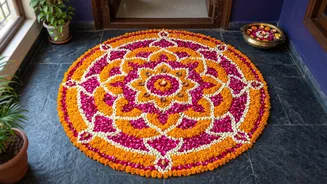
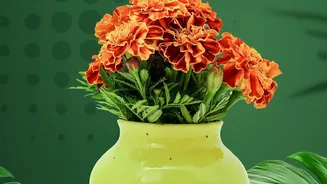
The success of a floral rangoli begins with smart flower selection. Marigolds are a classic choice, offering vibrant oranges and yellows that symbolize positivity. Rose petals provide rich reds and pinks, while white flowers like jasmine or daisies create beautiful, sharp contrasts. For modern or minimalist designs, consider using single-colour themes or creating gradients. Don't forget leaves and buds; they can be used to create borders, add green accents, and provide textural variety. Thinking about colour and texture beforehand will make the design process smoother and the final result more cohesive.
Hack 2: Master the Modern Design
Floral rangolis can be adapted to any aesthetic, from traditional to contemporary. For a modern look, focus on geometric patterns, simple concentric circles, or mandala-inspired designs. You can sketch your design with chalk first to ensure symmetry. Another popular modern approach is the 'pathway' rangoli, a long, flowing design that guides guests into your home. For those who are not confident in freehand drawing, using stencils is a great hack to achieve a clean, professional-looking pattern filled with petals. Don't be afraid to experiment with negative space, letting the floor show through to create a lighter, more minimalist feel.
Hack 3: The Longevity Trick
The main challenge with fresh flowers is their temporary nature. To keep your rangoli looking vibrant for longer, start with a clean, dry surface. A light sprinkle of water over the completed design can help the petals stay fresh, but avoid making it too wet. If possible, assemble your rangoli in a shaded area away from direct sunlight and drafts, which can cause the flowers to wilt faster. For a multi-day festival, you can easily replace any petals that have started to brown, keeping the design looking its best throughout the celebrations. Some even suggest adding a few drops of a sugar-water solution to help nourish the petals.
Hack 4: Combine and Complement
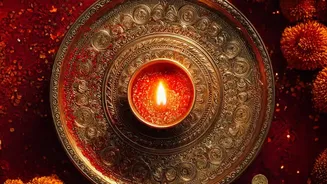
Your floral rangoli doesn't have to exist in isolation. Enhance its beauty by combining it with other natural and traditional elements. Placing earthen diyas or small LED lights within or around your design can make it glow in the evening. You can also incorporate other eco-friendly materials like coloured rice, lentils, or natural powders like turmeric for finer details or to create interesting textural contrasts. For example, a base of flower petals can be detailed with fine lines of rice flour, blending two traditional, sustainable techniques into one stunning piece of art.