








The Denim Dilemma Explained
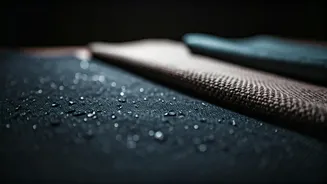
At its core, denim is a sturdy cotton fabric. Cotton is highly absorbent, which is great for a bath towel, but not so great for trousers in a torrent. When cotton denim gets wet, it soaks up a significant amount of water, becoming heavy, stiff, and cold.
Unlike synthetic fabrics that wick moisture away, denim holds onto it, which is the main reason it gets such a bad reputation for rainy weather. This absorbency means it takes a very long time to dry, both while you're wearing it and after you take it off.
The Case Against Wearing Jeans in Rain
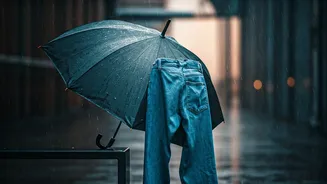
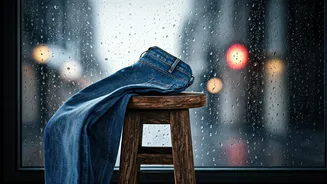
The list of cons is compelling. First and foremost is comfort—or the lack thereof. Wet denim feels heavy and restrictive, clinging uncomfortably to your skin. This can lead to chafing and general misery, especially if you have a long commute. Then there's the dreaded 'wet hem' problem, where the bottoms of your jeans drag through puddles, soaking up grime and staying damp long after the rest of the leg has started to dry. Another issue is colour bleeding. For darker or raw denim, exposure to a large amount of water can cause the indigo dye to transfer onto your skin, other clothing, or even your shoes. Finally, there's the cold. Saturated fabric against your skin on a cool, rainy day is an efficient way to feel chilled to the bone.
Is There Any Upside?
While the negatives are strong, it's not all bad news. For raw denim enthusiasts, some believe that getting caught in the rain can actually contribute to the unique fading and character of the jeans, becoming part of their wear journey. Rain won't necessarily 'ruin' the fabric itself, and some might even appreciate the way the starch rearranges to create a more personalized look. Denim is, after all, an incredibly durable material. A little rain won’t cause it to fall apart. However, for most people seeking everyday comfort and practicality, these niche aesthetic benefits are unlikely to outweigh the significant discomfort.
Smarter Choices: The Right Denim and Better Alternatives
If you are absolutely set on wearing denim, there are smarter choices. Opt for lightweight denim, which will absorb less water and dry faster than its heavyweight counterpart. Jeans with a blend of synthetic fibres like polyester or elastane will also perform better than 100% cotton, as these materials help repel water and maintain shape. Darker colours are a wise choice to avoid transparency and hide any splashes. However, the best rainy-day fabrics are often not denim at all. Materials like nylon and polyester are water-resistant and quick-drying. Modern technical fabrics and even certain wools can keep you dry and comfortable. For the Indian monsoon, fabrics like rayon and georgette are also popular choices for their lightweight and quick-drying properties.
After the Downpour: How to Care for Wet Jeans
If you do get caught in a storm, what you do next matters. Don't just throw your soaked jeans in a pile. To dry them, first wring out as much excess water as you can. You can roll them tightly in a dry towel and press down to absorb more moisture. The best method for drying is air-drying, preferably hung in a well-ventilated area. Avoid using high heat in a machine dryer if possible, as this can cause unwanted shrinkage and damage the fibres over time. If you're in a real hurry, using a hairdryer or an iron on a low setting can help, but air-drying is the safest bet for the longevity of your favourite pair.