





The Seeds of an Industry
The story of Coimbatore's textile dominance begins with its geography. Blessed with tracts of black cotton soil and the waters of the Noyyal River, the region was a natural cradle for cotton cultivation for centuries. This agricultural advantage laid
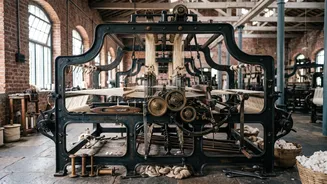
the foundation for a commercial textile trade that historical records show reached as far as the Roman Empire. However, the industrial chapter began in the late 19th century. The establishment of the Coimbatore Spinning and Weaving Mills in 1888, popularly known as Stanes Mill, by Sir Robert Stanes marked the city's entry into the modern industrial era. This pioneering mill, powered by steam, was soon followed by others, including Mall Mills in 1900 and the first Indian-owned mill, Kaleeswarar Mills, in 1906, sparking an industrial revolution in the region.
The Manchester of South India
The early 20th century witnessed an explosion of textile activity. The availability of hydroelectric power from the nearby hills provided a crucial boost, allowing mills to proliferate and operate with greater efficiency. Local entrepreneurial communities, seeing the success of early mills, began investing heavily, founding iconic names like Lakshmi Mills and Sri Ranga Vilas Mills. This rapid industrialization transformed Coimbatore from a collection of villages into a formidable economic hub. By the 1930s, the city was teeming with spinning mills, weaving units, and ancillary industries, earning it the well-deserved moniker 'Manchester of South India' for its sheer concentration of textile production, a title that cemented its place on India's industrial map.
The Fabric of Society
The textile boom did more than just build an economy; it wove the very fabric of Coimbatore's society. The mills created thousands of jobs, attracting workers from across the region and shaping the city's demographics and culture. This influx led to the development of new residential areas and a society whose daily rhythms were dictated by the mill sirens. The industry also spurred the growth of a robust ecosystem of supporting businesses, from manufacturing textile machinery and components to engineering workshops that serviced the mills. This synergy created a self-sustaining industrial environment where expertise in textiles and engineering grew hand-in-hand, fostering a unique culture of enterprise and innovation that continues to define the city.
Modern Threads and Future Looms
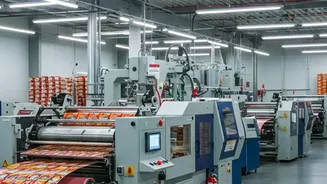
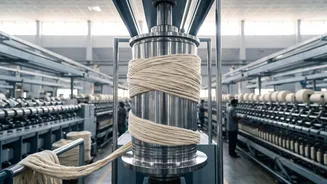
While cotton remains central to its identity, Coimbatore's textile industry has evolved significantly. Over the decades, it faced challenges like power shortages and intense global competition. Many of the old, standalone mills gave way to modernization and consolidation. Today, the city is a global powerhouse, not just for cotton yarn but also for technical textiles, synthetic fabrics, and ready-made garments. It is home to world-class research institutions like the South Indian Textiles Research Association (SITRA) and centers of excellence for medical and industrial textiles. Though the industry has faced headwinds in recent years due to global competition, recent data from late 2026 shows signs of a strong revival, with rising exports and a healthy pipeline of orders. The focus now is on technology adoption, sustainability, and moving up the value chain to maintain a competitive edge.