


For those who love the outdoors, finding the perfect fitness routine is about more than just burning calories; it's about challenge, recovery, and sustainability. A powerful combination is emerging for ultimate heart fitness: steep hiking and paddleboarding.
The Uphill Climb for a Stronger Heart
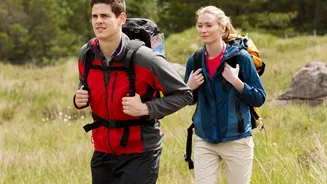
Tackling a steep hiking trail is one of nature's most effective cardiovascular workouts. When you walk on an incline, you force your heart to pump harder to deliver oxygenated blood throughout your body, which strengthens the heart muscle over time. This type of exertion mimics high-intensity interval training (HIIT), as you alternate between strenuous climbs and flatter recovery sections. This process significantly boosts your cardiovascular fitness, enhances endurance, and burns more calories than walking on flat terrain. The muscles in your lower body—including glutes, hamstrings, and quads—are intensely engaged, building functional strength that supports you both on and off the trail. Regular incline workouts can lead to a lower resting heart rate and reduced risk of heart disease.
Gliding Toward Active Recovery
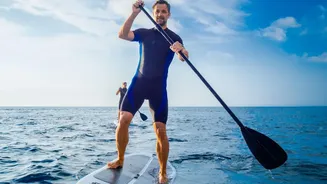
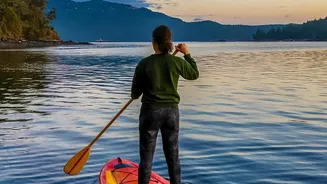
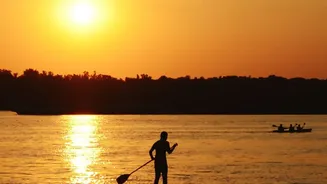
After a demanding hike, the body needs to repair and rebuild. This is where stand-up paddleboarding (SUP) comes in as the ideal low-impact counterpart. While hiking places significant stress on the joints of the lower body, paddleboarding is gentle and fluid, allowing you to get a great workout without the strain. It’s considered an excellent tool for active recovery, helping to increase blood flow and flush metabolic waste from muscles after a tough session. Yet, it is far from a passive activity. Paddleboarding provides a full-body workout that engages the core for balance, along with the arms, back, and shoulders for paddling. This steady-state cardio keeps your heart rate elevated, contributing to overall cardiovascular health in a sustainable, joint-friendly way.
The Perfect Pairing for Peak Fitness
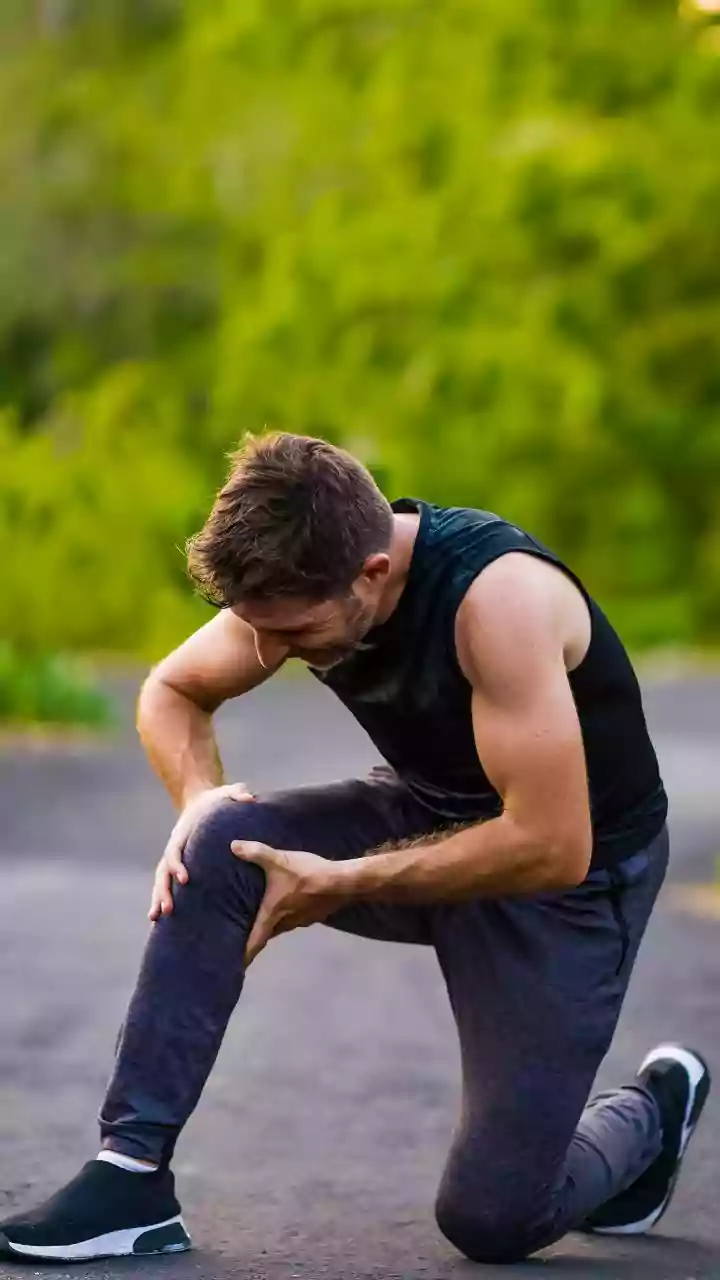
Combining high-impact and low-impact exercises is a proven strategy for building comprehensive fitness while minimizing the risk of injury. This practice, known as cross-training, ensures you're not repeatedly stressing the same muscles and joints. The intense, muscle-building challenge of a steep hike builds power and aerobic capacity. Following it with a low-impact activity like paddleboarding allows your body to recover actively, improving circulation and reducing muscle soreness without stopping your fitness progress. This balance is crucial for long-term consistency. By giving your body time to heal with a less jarring activity, you prevent burnout and the overuse injuries that can derail a fitness routine. This powerful duo of hiking and paddleboarding works different muscle groups and energy systems, creating a well-rounded athlete who is both strong and resilient.
Building Your Trail-to-Water Routine
Integrating these two activities into your weekly schedule is straightforward. A great approach for a weekend warrior would be to tackle a challenging hike on Saturday, pushing your cardiovascular limits and building leg strength. Then, on Sunday, you can head to a calm lake or river for a relaxing paddleboard session. This serves as an active recovery day that still provides a solid core and upperbody workout. For those with more flexibility, you could alternate between the two during the week. For example, schedule two or three nonconsecutive hiking days and intersperse them with one or two paddleboarding sessions. Always remember to listen to your body, warm up properly before each activity, and cool down afterward. Proper gear, like good hiking boots and a personal flotation device for paddleboarding, is essential for safety and enjoyment.