

The Two-Hour Rule: A Guideline Under Pressure
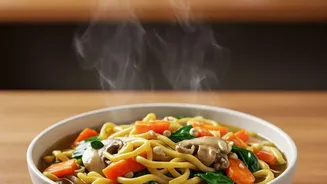
Under normal conditions, most international food safety agencies, like the US Food and Drug Administration (FDA), advocate for the 'two-hour rule'. This guideline states that perishable foods, including cooked meals, should not be left at room temperature
for more than two hours. Within this window, bacteria that can cause foodborne illnesses have not had enough time to multiply to dangerous levels. However, this rule comes with a critical exception: if the ambient temperature is above 32°C (approximately 90°F), the safe window shrinks to just one hour. This is because bacteria multiply most rapidly in the 'Danger Zone', a temperature range between 5°C and 60°C (40°F and 140°F).
Why the Monsoon Changes the Equation
The Indian monsoon season introduces a game-changing variable: humidity. High humidity in the air means more moisture is available on the surface of food, creating an ideal environment for microbial growth. Bacteria, yeasts, and moulds that cause spoilage and illness thrive in moist conditions. During the monsoon, when humidity levels can soar to 90% and indoor temperatures often sit comfortably within the bacterial 'Danger Zone', the standard two-hour rule may be too generous. The combination of warmth and moisture accelerates bacterial multiplication significantly, meaning food can become unsafe much faster than it would in a drier climate. Experts in India often advise being more cautious during this season, suggesting that one hour should be the absolute maximum time cooked food is left out.
Foods That Are at Highest Risk
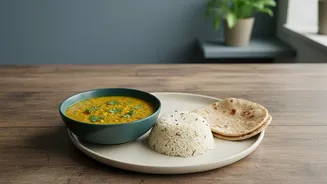
While all cooked food is susceptible, some dishes are at a higher risk of rapid spoilage, especially during the monsoon. These include: milk or curd-based curries (like korma or raita), lentil dishes (dal), cooked rice, meat, poultry, and seafood. These foods are high in protein and moisture, which are the two things bacteria need to flourish. It is also wise to be extra careful with any dishes containing raw or lightly cooked ingredients, such as chutneys or salads, as they can carry a higher initial bacterial load. The Food Safety and Standards Authority of India (FSSAI) consistently advises that consuming freshly cooked food is the safest practice, especially during the rainy season.
The 'When in Doubt, Throw It Out' Principle
Relying on sight and smell to check if food is safe can be misleading. Some of the most dangerous foodborne bacteria, like Staphylococcus aureus or Salmonella, do not produce noticeable odours or change the appearance of food as they multiply. Furthermore, some bacteria can produce heat-resistant toxins that cannot be destroyed by reheating the food. If a dish has been left out for several hours, reheating it might kill the bacteria, but it will not eliminate the toxins they may have already produced. The safest and most reliable principle is simple: when in doubt, throw it out. The risk of contracting a serious gastrointestinal illness like diarrhoea, typhoid, or cholera, which see a spike during the monsoon, is not worth taking.
Best Practices for a Monsoon-Safe Kitchen
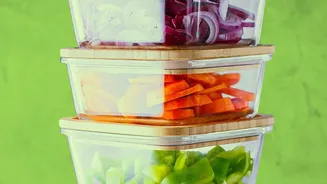
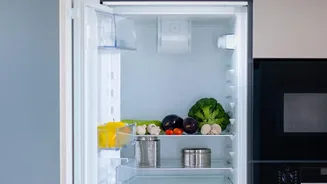
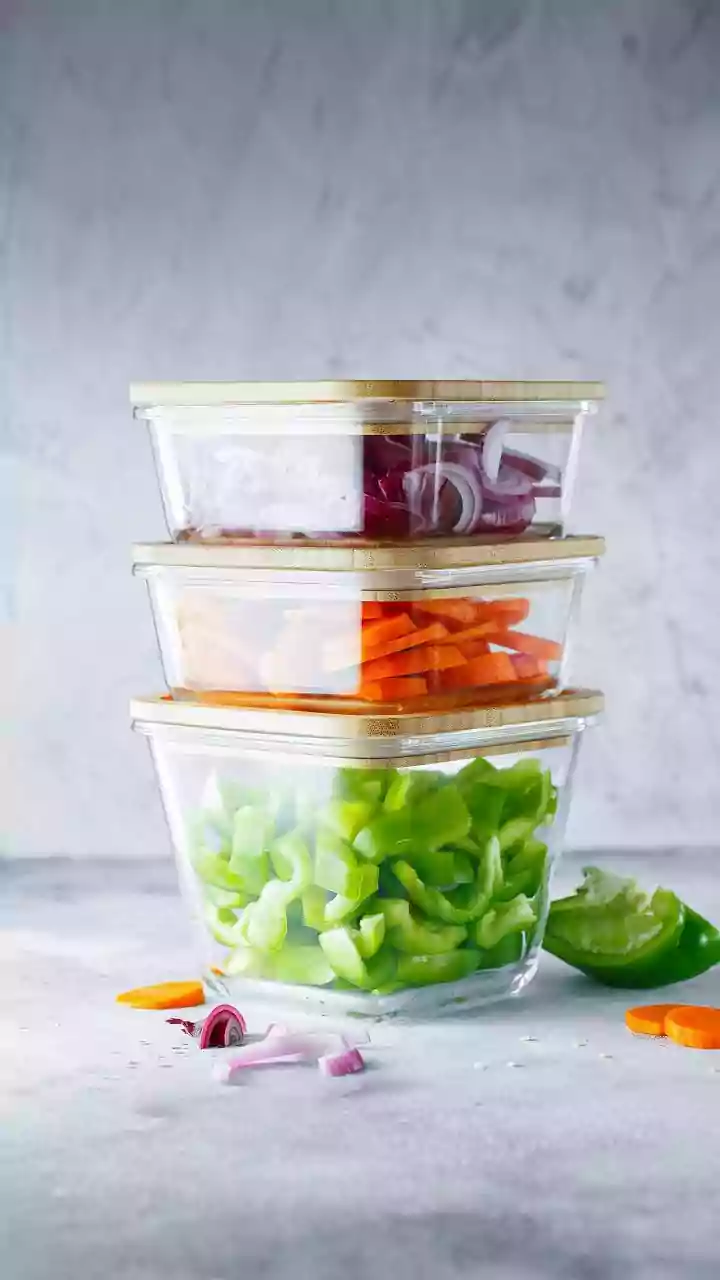
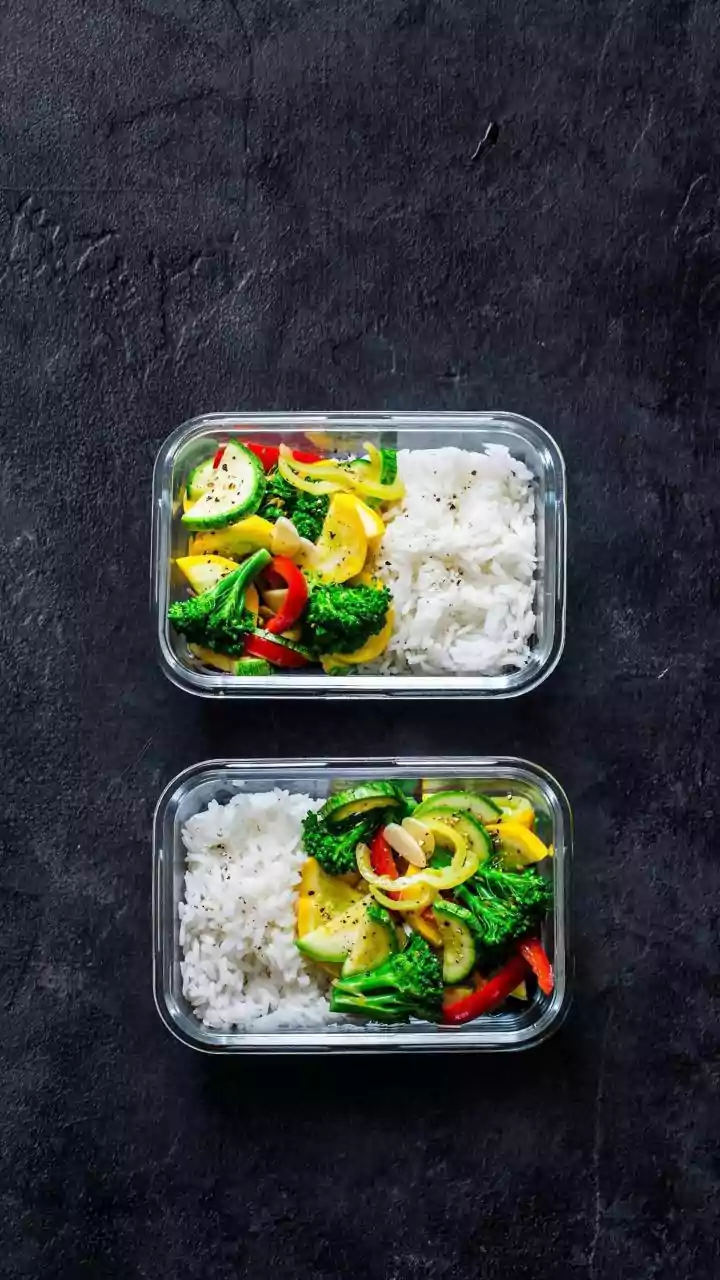
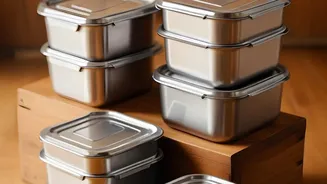
To minimise risk, adopt a few simple habits. First, aim to consume cooked food as soon as possible after preparation. If you have leftovers, cool them down quickly and refrigerate them within an hour. To speed up the cooling process, transfer food from the hot cooking pot into shallow, airtight containers. This increases the surface area and allows the food to cool faster. Avoid putting a large, steaming pot directly into the fridge, as this can raise the internal temperature of the refrigerator and put other stored foods at risk. When you are ready to eat the leftovers, reheat them thoroughly until they are steaming hot, ensuring they reach an internal temperature of at least 74°C (165°F) to kill any bacteria that may have developed during storage.