




Why Rain and Humidity Are a Problem
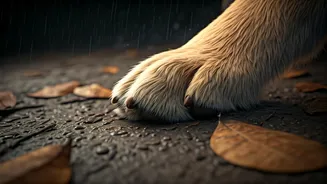
The magic of the monsoon lies in its moisture, but that same humidity is the primary cause of skin problems in pets. When humidity levels stay consistently high, sometimes over 80-90%, your pet’s coat can trap moisture, taking hours to dry completely.
This creates a warm, damp environment against the skin—an ideal breeding ground for bacteria and fungi. Organisms that normally live on the skin without issue, like Malassezia yeast, can suddenly multiply and cause infections. This is why veterinary clinics see a surge in skin-related cases from June to September.
Common Skin Ailments to Watch For
During the rainy season, you should be vigilant for several common conditions. Fungal infections, like ringworm, often appear as circular patches of hair loss with crusty, red edges. Bacterial infections, or pyoderma, can cause pus-filled bumps, redness, and a foul odour. Perhaps the most notorious monsoon issue is 'hot spots'—painful, red, and moist areas of skin that can appear suddenly and grow rapidly as your dog licks the irritated area. Parasites like fleas and ticks also flourish in wet conditions, and their bites can lead to severe itching and secondary infections.
Your Guide to an At-Home Skin Check
A quick, weekly skin check can help you catch problems before they escalate. It only takes about ten minutes in a well-lit room. Start at your pet's nose and work your way to their tail, using your fingers as much as your eyes. Part the fur to look at the skin underneath, checking for redness, bumps, scabs, or flaky patches. Pay special attention to hidden areas where moisture loves to hide: between the toes, inside the ears, in skin folds, under the belly, and in armpits. Note any unusual smells, as a musty or foul odour can be a key sign of a yeast or bacterial infection.
Prevention Is the Best Medicine
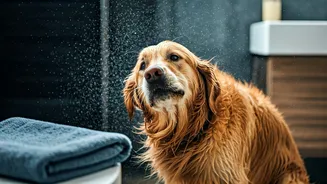
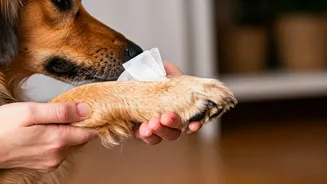
Proactive care is key to avoiding monsoon skin woes. The most important rule is to keep your pet as dry as possible. After every walk, thoroughly towel-dry their coat, paying close attention to their paws and underbelly. For long-haired breeds, a hairdryer on a low, cool setting can be a lifesaver. Regular grooming is also vital; brushing removes loose fur and prevents matting, which can trap moisture. Keep their bedding clean and dry, washing it at least once a week to prevent fungal spores from accumulating. Finally, ensure they have access to clean, filtered drinking water to avoid water-borne illnesses.
When to See a Veterinarian
While at-home checks and preventative care are powerful tools, they don't replace professional medical advice. If you notice persistent scratching, open sores, significant hair loss, or if your pet seems lethargic or in pain, it’s time to call the vet. Many skin infections look similar but require different treatments; what works for a fungal issue will not help a bacterial one. Your vet can perform tests to accurately diagnose the problem and prescribe the right medicated shampoos, topical treatments, or medications. Early intervention is crucial to prevent a minor irritation from becoming a major, painful infection.