




The Runway Becomes a Universe
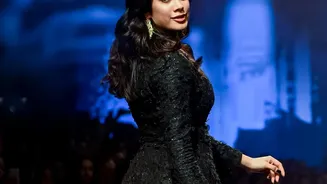
The core purpose of a fashion show used to be to present a collection of garments as clearly as possible. The clothes were the story. At the recently concluded India Couture Week 2026, however, a different philosophy was on display. For many of India's
leading couturiers, the story now comes first, meticulously crafted through immersive set designs, theatrical lighting, and elaborate narratives. The clothes, in turn, are designed to be inhabitants of this newly created universe. It’s a fundamental shift from designing a collection and then deciding how to show it. Now, designers are increasingly asking: what world do I want to create, and what would its inhabitants wear?
Case Study 1: The Historical Epic
Take, for example, JJ Valaya's collection, 'Siddi', which drew inspiration from the cultural exchange between Africa and India. The presentation wasn't just a showing of lehengas and sherwanis; it was framed as a journey across oceans and centuries. The show notes and runway progression painted a narrative of transit and confluence, with silhouettes and motifs reflecting this layered history. The collection featured regal jewel tones, antique golds, and signature Valaya craftsmanship, but the garments were clearly designed to serve the larger epic, embodying the story of cultural fusion that the designer wanted to tell.
Case Study 2: The Philosophical Journey
Rahul Mishra, who presented the week's grand finale, took this concept to an even more abstract and artistic level. His collection, 'Devi: The Eternal Muse', was first shown in Paris and was inspired by ancient Indian sculpture. For the Indian presentation, the show was less a runway and more a piece of performance art. Actor Sobhita Dhulipala didn't just walk as a showstopper; she became the living embodiment of the 'Devi', with jewellery being ceremonially layered onto her as she moved, representing the ritual of adornment. The collection itself, with its groundbreaking technique of building up embroidery to resemble carved stone, was a direct physical manifestation of the central theme. The clothes were not just inspired by stone; they were conceived to become it.
Even Dissent Proves the Point
Even a designer who subverted the trend reinforced its dominance. Tarun Tahiliani opted out of a traditional runway, instead presenting his collection as a multi-room immersive exhibition at Bikaner House. He reasoned that the seven seconds a model gets on the runway is not enough time to appreciate true couture. By creating different environments to showcase corsetry, drapes, and embroidery, he allowed the viewer to step inside the world of his craft. While the garments remained the focus, the decision to abandon the runway was itself a powerful statement about presentation, arguing for a more intimate and detailed narrative experience.
From Clothes to Content
So, what’s driving this change? In a word: content. A spectacular show creates a flurry of social media moments that live on long after the lights go down. An immersive story gives editors and critics a narrative to latch onto, making the collection more memorable in a crowded field. Furthermore, it helps designers build a stronger brand identity. They are no longer just selling outfits; they are selling a fantasy, a story, a ticket to a world they’ve created. Falguni Shane Peacock literally set their show inside a mock train bogey to evoke a journey, while Anamika Khanna held her opening show in Hyderabad's Taj Falaknuma Palace, making the venue itself the message. In this new landscape, the collection is a souvenir from the experience.