




From Humble Sidekick to Main Event
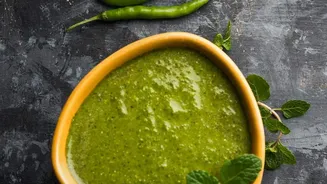
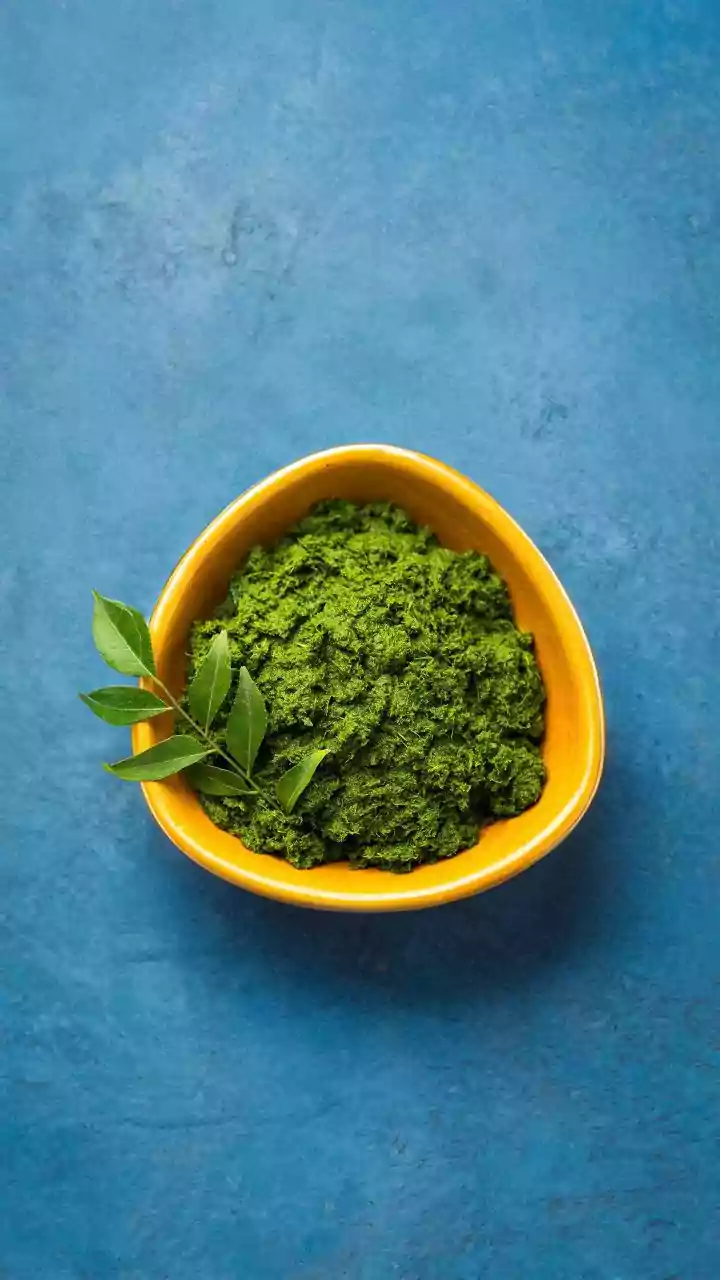
Think of an Indian meal, and chutney is invariably part of the picture. It's the tangy mint-coriander blend served with samosas, the sweet tamarind drizzle on dahi vada, or the fiery coconut paste alongside a dosa. Historically, the word 'chutney' comes
from the Hindi 'chatni', meaning 'to lick'. It has always been the flavour bomb that makes a good meal great. But for all its importance, it has largely remained a condiment—an accessory rather than the main event. Now, a growing number of chefs and home cooks are rethinking its role entirely. They are moving chutney from the periphery to the centre of the dish, using it not just as an accompaniment but as a foundational element in everyday cooking.
The Rise of Seeds and Pulses
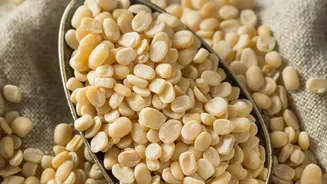
The secret to this evolution lies in the ingredients. While traditional recipes have always been diverse, this new wave sees the robust inclusion of various seeds and pulses. Flax, pumpkin, sesame, and sunflower seeds are being roasted and ground into chutneys, as are lentils like chana dal and urad dal. While using dals and seeds isn't entirely new—South Indian 'podis' and Maharashtrian dry chutneys have a long history—their application is becoming more widespread and innovative. These ingredients do more than just add flavour; they fundamentally change the chutney's character, giving it more body, a richer texture, and a significant nutritional upgrade.
A Boost of Nutrition and Flavour
The shift is driven by a desire for both health and taste. Seeds and pulses are nutritional powerhouses. Lentils are an excellent source of plant-based protein and fibre, which aids digestion and helps manage blood sugar. Seeds like flax and pumpkin are packed with Omega-3 fatty acids, zinc, magnesium, and antioxidants. Incorporating them into a daily condiment is a simple and delicious way to boost the nutritional value of any meal. Beyond health, these additions create exciting new flavour profiles. Toasted dals lend a nutty, earthy depth, while seeds can add a satisfying crunch or a creamy consistency, moving the chutney into a new gastronomic territory.
Beyond the Thali: New Ways to Use Chutney
As chutneys become thicker, richer, and more substantial, their culinary uses are expanding dramatically. No longer just for dipping, they are now being used as versatile pastes and spreads. A hearty lentil or pumpkin seed chutney can serve as a wholesome spread for sandwiches and toast, replacing butter or mayonnaise. Others are being used as a base for curries, a marinade for grilled vegetables and meats, or even tossed with pasta for a quick, flavourful meal. For example, a tomato and lentil chutney can be thinned with a little water to create a flavourful sauce, while a dry roasted flaxseed chutney can be sprinkled over dal or salads for an instant boost of texture and nutrition. This versatility makes modern chutneys an invaluable asset in a busy kitchen.
Old Traditions, Modern Kitchens
This trend isn't about discarding tradition but building upon it. Many of these 'new' ideas are inspired by regional and forgotten practices where using every part of a plant was a way of life. For instance, dry, powdered chutneys made from roasted flaxseeds (jawas chutney in Maharashtra) or lentils were staples in agrarian communities, designed for a long shelf life and sustained energy. Today’s chefs and home cooks are reviving these principles of zero-waste and nutrient density, adapting them for the modern palate. The result is a chutney that is both comforting in its familiarity and exciting in its new possibilities.