
The Salt-Powered Alternative
For years, the electric vehicle (EV) revolution has been powered by lithium-ion batteries. While effective, they rely on materials like lithium and cobalt, whose supply chains are complex, expensive, and geographically concentrated. This has kept EV prices
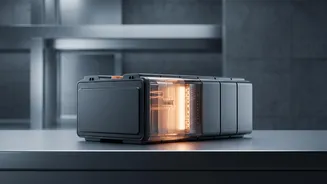
high, often out of reach for the average Indian consumer. Sodium-ion (Na-ion) batteries offer a compelling alternative. Functioning on a similar principle to their lithium-ion counterparts, they use sodium ions as charge carriers. The most significant advantage is that sodium is one of the most abundant elements on Earth, readily available from common salt. This dramatically reduces material costs and lessens geopolitical supply risks.
India's Strategic Advantage
For India, a country that imports the majority of its lithium, the shift to sodium-ion technology is a strategic masterstroke. It aligns perfectly with the 'Make in India' initiative by leveraging locally available resources, thereby enhancing energy security. Companies can build a domestic supply chain, from sourcing raw materials to manufacturing finished battery packs, reducing import dependency and insulating the market from global price volatility. Furthermore, Na-ion batteries exhibit excellent performance in a wide range of temperatures, a crucial factor for India's diverse and often extreme climate. They also possess superior safety characteristics, with a lower risk of thermal runaway, making them a more stable choice for transportation and storage.
Key Players in the Sodium Race
Several Indian and international companies are pioneering this technology for the Indian market. Reliance Industries, through its acquisition of UK-based Faradion, is making a significant bet on sodium-ion, planning to establish a giga-scale manufacturing plant in Jamnagar. Pune-based software and engineering firm KPIT Technologies has also developed its own indigenous sodium-ion battery technology, which it is commercializing in partnership with Trentar Energy Solutions. Alongside these giants, startups like Indi Energy, which uses agricultural waste to create a key battery component, and Sodion Energy are also making significant strides, highlighting a vibrant and growing ecosystem.
Performance, Price, and Practicality
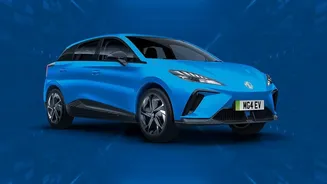
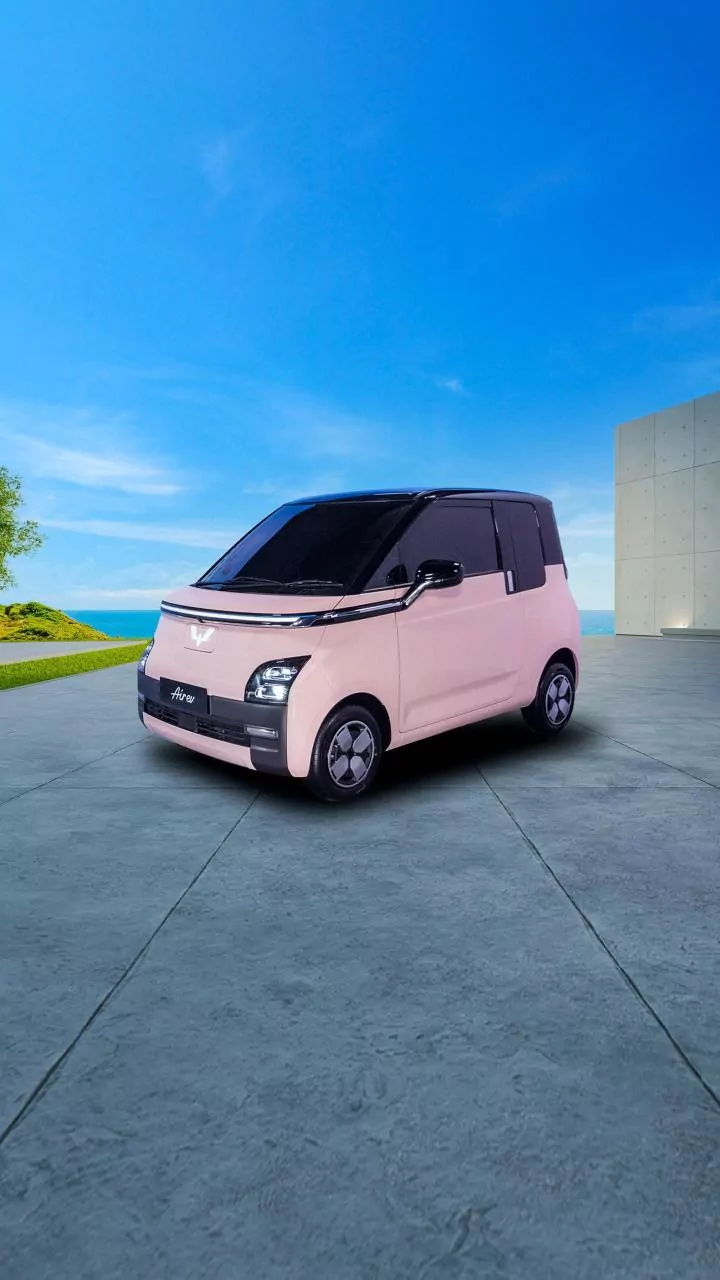
While sodium-ion batteries offer a significant cost advantage—potentially 25-30% cheaper than lithium-ion equivalents—they do come with trade-offs. Historically, their main drawback has been lower energy density, meaning they store less energy for their weight. This makes them less suitable for high-performance, long-range luxury EVs. However, for the bulk of the Indian market, which is dominated by two-wheelers, three-wheelers, and city commuters, this is less of a concern. Recent innovations have significantly improved energy density, lifespan, and charging speeds, with some technologies boasting 3,000-6,000 cycles and rapid charging capabilities. These characteristics make them ideal for commercial vehicles, public transport, and stationary energy storage, such as for home solar systems.
The Road to Mass Adoption
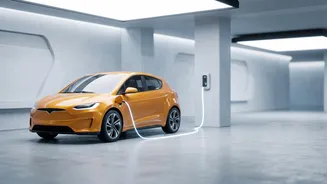
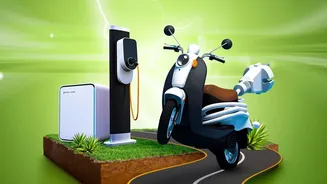
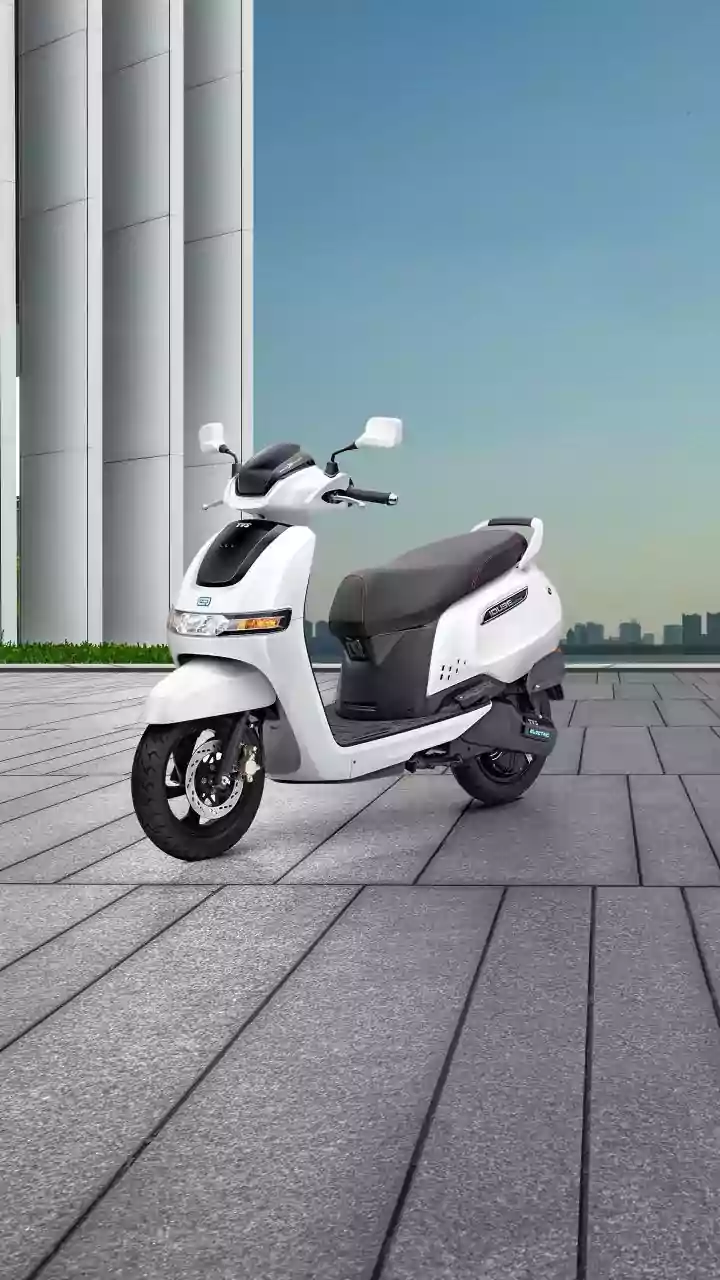
The journey from laboratory innovation to mass-market reality is now well underway. With companies like Reliance and Trentar investing in gigawatt-hour scale manufacturing, the commercial availability of sodium-ion powered EVs is on the horizon. These batteries will likely appear first in more cost-sensitive segments like e-rickshaws, delivery fleets, and budget-friendly electric scooters, democratizing electric mobility. While China's CATL has also been a major global player in commercializing this tech, the flurry of homegrown Indian development signals a move towards technological self-reliance. Government support through policies like the Production Linked Incentive (PLI) scheme, which includes advanced battery chemistries, further paves the way for a robust domestic manufacturing ecosystem.