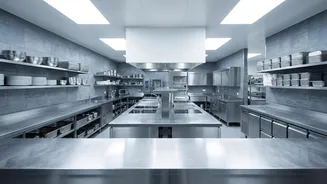





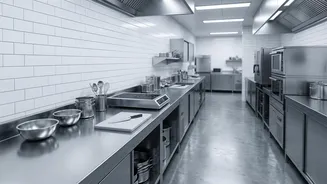


The Kitchen's Hidden Story
Recent inspections across Bengaluru have proven that even the most premium establishments can have serious issues behind the scenes. In August 2026, food safety officials conducted surprise raids on dozens of hotels, restaurants, and even prominent clubs.
The findings were alarming, with officials seizing hundreds of kilograms of expired or rotten meat and vegetables, and flagging numerous violations. Issues ranged from fungal growth on produce and cockroach infestations to improper food storage and poor staff hygiene. These raids, which included three- and five-star hotels, revealed a stark reality: a restaurant's reputation and price point are not guarantees of food safety. Common problems included storing raw and cooked food together, which risks cross-contamination, and failing to maintain proper temperatures for hot and cold items.
Decoding the Rulebook
In response to these findings, Karnataka's food safety department issued a stringent 12-point advisory for all food businesses. These rules, governed by the Food Safety and Standards Authority of India (FSSAI), are not suggestions—they are mandatory. Key requirements include ensuring kitchen premises are clean and well-maintained, using only potable water, and enforcing strict personal hygiene for food handlers, including clean uniforms and headgear. The regulations also demand that establishments appoint a certified Food Safety Supervisor to oversee daily practices. Furthermore, there are strict rules against reusing cooking oil and for the proper disposal of used oil. Businesses that fail to comply face legal action, fines, and even the suspension of their licenses.
Beyond the Dining Room: Red Flags
As a diner, you can’t walk into the kitchen, but you can look for subtle clues. A recent survey of Bengaluru diners found that 94% had witnessed at least one hygiene violation in the past year. The most common issues were unhygienic staff, pests, and dirty washrooms. Pay close attention to the state of the washrooms; if they are poorly maintained, it could reflect the standards in the kitchen. Also, observe the staff. Are their uniforms clean? Do they handle food and money with the same hands? Another subtle sign can be the menu itself. Restaurants that use excessively strong sauces or spices may sometimes do so to mask ingredients that are not fresh. You can also ask staff about the source of their ingredients; knowledgeable and confident answers are a good sign.
Tech to the Rescue?
Technology offers another layer of transparency for consumers. The FSSAI has a voluntary Hygiene Rating Scheme where restaurants are rated on a scale of one to five stars based on an official audit of their food safety practices. These ratings are meant to be displayed prominently at the establishment, allowing customers to make an informed choice. While food delivery apps often have their own user-generated ratings, these are not the same as the official FSSAI hygiene score. To find an official rating, you can check the FSSAI's own portal. Encouraging restaurants to get and display their official FSSAI rating can collectively push the industry towards higher standards.