
First, What Does 'Low Light' Mean?
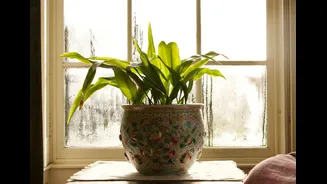
The term 'low light' is often misunderstood. It doesn’t mean a windowless room or complete darkness; no plant can survive without any light for photosynthesis. A low-light area is typically a spot that receives no direct sunlight, like a room with a north-facing
window, a hallway, or a corner more than a few metres away from a window. A good rule of thumb: if there's enough natural light to comfortably read a book during the day, there's enough light for a low-light plant. These plants have simply adapted to survive in the understory of dense forests and can make do with less intense, indirect light. It is also important to remember that plants in lower light will grow more slowly and require less water than their sun-drenched counterparts.
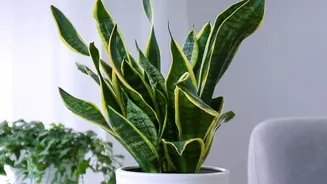
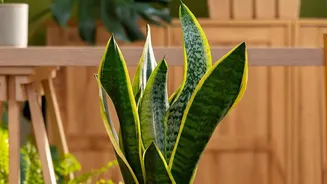
The Indestructible Snake Plant
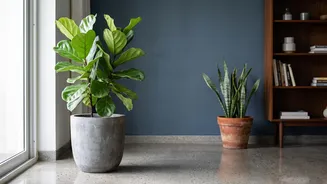
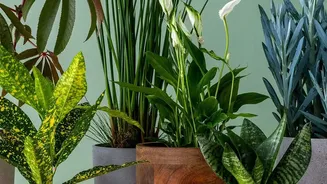
The Snake Plant (Dracaena trifasciata, formerly Sansevieria) is the champion of low-maintenance indoor plants. With its stiff, architectural leaves that grow straight up, it adds a modern, sculptural element to any space. It is incredibly hardy, tolerates a wide spectrum of light conditions, and is famous for its air-purifying qualities. While it prefers bright, indirect light to grow faster, it is perfectly happy in a darker corner, where its growth will simply slow down. The biggest mistake you can make with a snake plant is overwatering. Allow the soil to dry out completely between waterings, as its roots are prone to rot in soggy soil. In low-light conditions, this could mean watering as little as once every few weeks.
The Ever-Resilient ZZ Plant
If you consider yourself a 'plant killer', the ZZ Plant (Zamioculcas zamiifolia) is here to restore your confidence. This plant is famously tough and almost indestructible, making it perfect for beginners or those who travel frequently. Its wide, dark green, glossy leaves store water, making it exceptionally drought-tolerant. The ZZ Plant thrives in low to medium indirect light and can survive in very dim areas where other plants would fail. Like the snake plant, it is highly susceptible to overwatering. You should allow the soil to dry out completely before giving it a drink, which might only be once a month. Its resilience and sleek appearance make it a stylish addition to any office or dim living room corner.
The Cascading Money Plant (Pothos)
Known commonly in India as the Money Plant, Pothos (Epipremnum aureum) is a versatile and fast-growing vine that is incredibly forgiving. It's an excellent choice for hanging baskets or for placing on a shelf where its heart-shaped leaves can trail down beautifully. While Pothos appreciates bright, indirect light, it adapts well to lower light levels. In fact, some solid green varieties are better suited for true low-light situations than their variegated counterparts, which might lose some of their patterning in dim conditions. Pothos is great at communicating its needs; water it when the top inch of the soil feels dry. It's a resilient classic for a reason and a perfect way to add a lush, jungle-like feel to a room.
The Elegant Chinese Evergreen
The Chinese Evergreen (Aglaonema) is prized for its lush, patterned foliage, which can feature shades of green, silver, pink, or red. This plant is not only beautiful but also remarkably tolerant of low-light conditions, making it a star performer in areas that don't get much sun. While more colourful varieties will show their best hues in brighter, indirect light, they still hold up well in shadier spots. Keep the soil consistently moist but not waterlogged; it's best to let the top inch or two of soil dry out between waterings to prevent root rot. Aglaonemas are slow-growing and prefer to be slightly root-bound, so you won't need to repot them more than every couple of years.
The Hardy Cast Iron Plant
As its name suggests, the Cast Iron Plant (Aspidistra elatior) is incredibly tough and can withstand a fair amount of neglect. A popular houseplant during the Victorian era for its ability to survive in poorly lit homes, it remains a favourite for those looking for a truly low-maintenance option. It has large, dark green, lance-shaped leaves that grow directly from the soil. The Cast Iron Plant thrives in low to moderate light and should be kept out of direct sun, which can scorch its leaves. It is drought-tolerant and prefers its soil to dry out significantly between waterings. This slow-growing plant is the definition of a dependable, long-lasting green companion for even the darkest of corners.