
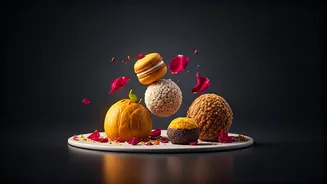


From Festive Staple to Status Symbol
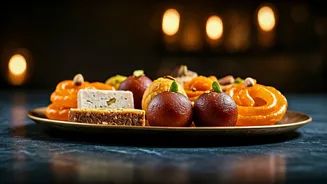
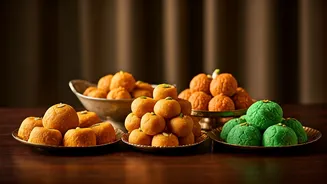
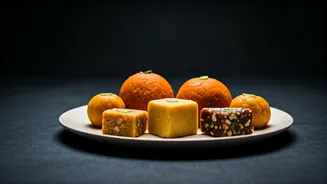
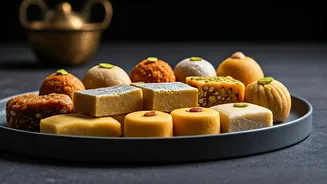
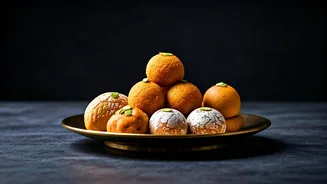
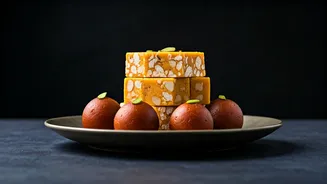
For generations, Indian mithai has been a symbol of celebration, community, and tradition. [15] Boxes of laddoos for weddings, kaju katli for Diwali, and gulab jamun after a hearty meal are deeply woven into the cultural fabric of India. [15] But a change
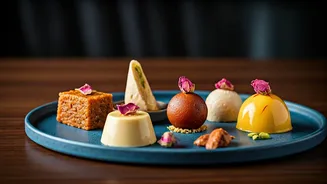
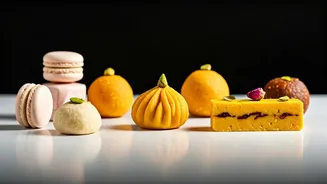
is underway. The humble sweet is shedding its traditional image and emerging as a premium, aspirational product. This new wave is not about replacing the classics but reimagining them for a contemporary audience that values aesthetics, novelty, and storytelling. [3] Boutique brands and pastry chefs are packaging mithai not just in a box, but in an experience—complete with minimalist design, sophisticated branding, and a narrative that turns a simple sweet into a statement of taste. [11]
The New Generation of Mithai Makers
At the heart of this revolution are artisanal brands and innovative chefs who are giving traditional sweets a modern makeover. [2] Brands like Bombay Sweet Shop, Khoya, and Arq are leading the charge, positioning mithai as a gourmet product. [4, 8] They are experimenting with global ingredients and formats, creating fusion items like Dark Chocolate & Coffee Barfi, rasmalai tres leches, and gulab jamun cheesecake. [4, 6] The focus is on high-quality, often organic, ingredients and a departure from the excessive sweetness that characterized many traditional recipes. [8] Sameer Seth of Bombay Sweet Shop notes that the key is ensuring the creation is delicious, reminding consumers of the original's form or flavour while offering something new. [2] This approach preserves the soul of the mithai while making it appealing to a modern, global palate. [2, 16]
An Instagram-Worthy Experience
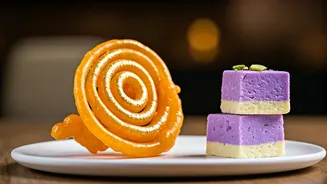
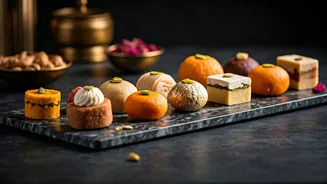
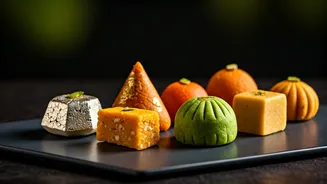
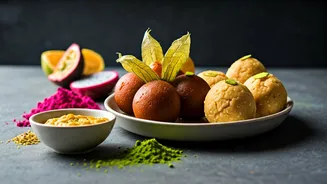
Social media has played a pivotal role in this transformation, turning mithai into highly visual, shareable content. [6] The aesthetics of the new-age sweet—from the intricate designs and unique shapes to the luxurious packaging—are perfectly suited for platforms like Instagram. [11, 20] These sweets are crafted to be seen before they are eaten. The vibrant colours, delicate garnishes, and elegant presentation make them 'grid-worthy'. [11] This visual appeal helps attract younger consumers and dessert lovers who are looking for something that feels both innovative and familiar. [6] The act of gifting and unboxing these beautifully crafted sweets becomes a part of the lifestyle experience, documented and shared online.
A Fusion of Flavours and Forms
The innovation isn't just skin-deep; it's a complete re-evaluation of flavour and form. Chefs are deconstructing classic recipes and infusing them with unexpected elements. We now see everything from gajar halwa tarts to cardamom crème brûlée, creating a culinary conversation between India and the world. [3] Some brands are creating unique flavour combinations like blueberry with milk cake or hazelnut with pak. [9] This fusion appeals to diverse palates, offering the comfort of nostalgia to older generations and the excitement of novelty to younger ones. [13] Furthermore, there is a growing trend towards healthier alternatives, using natural sweeteners like jaggery and dates, or incorporating superfoods, catering to health-conscious consumers without sacrificing indulgence. [15, 18]
More Than Just a Sweet Treat
Ultimately, the transformation of Indian sweets into lifestyle content is about more than just food. It represents a larger cultural shift where tradition is not being discarded but reinterpreted with confidence. [10] These new-age mithai makers are restoring the 'lost respect' for Indian sweets, elevating them from a simple commodity to an artisanal craft. [8] By blending heritage with modern aesthetics and global flavours, they are creating a new narrative for Indian culinary traditions. [19] It's a celebration of Indian identity that is proud of its roots yet open to evolution, proving that tradition can stay relevant and exciting for generations to come. [16]