






From Performance to Presence
Remember the era of hustle-culture wellness? It was defined by 5 AM gym sessions (posted on Instagram, of course), juice cleanses that left you starving, and the constant pressure to optimise every second of your day for peak performance. This approach
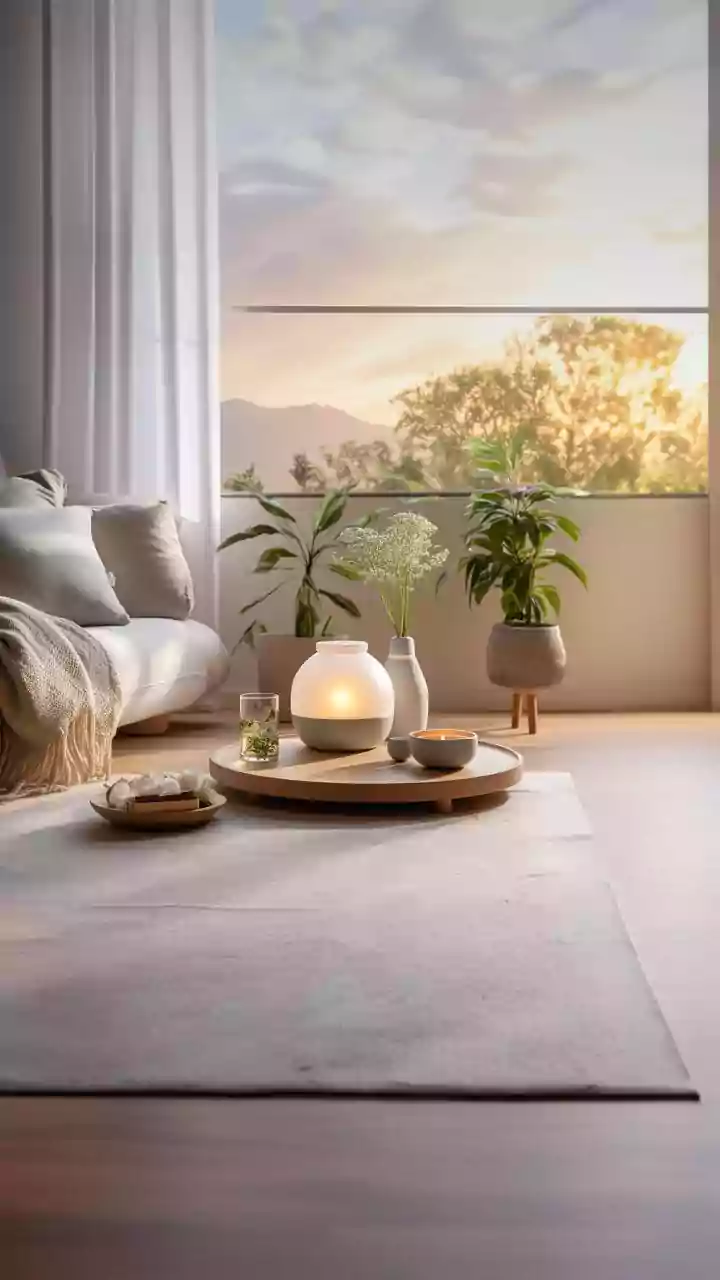
treated the body like a machine to be fine-tuned and the mind like a hard drive to be hacked. The goal was external validation: a certain body type, a glowing scorecard on your fitness app, the admiration of your followers. The wellness shift we’re now seeing is a direct reaction to this. It’s a move away from ‘doing’ wellness to ‘being’ well. The new focus is internal. It asks: How do I actually feel? What does my body need right now? It prioritises rest, intuition, and self-compassion over discipline and data.
The Burnout Backlash
So, why is this happening now? In a word: burnout. The pandemic, coupled with economic uncertainty and the always-on nature of digital life, has left many people feeling exhausted. The old model of wellness, which often just added more tasks to an already overflowing to-do list, started to feel like part of the problem, not the solution. People began questioning if a wellness routine that causes stress is truly promoting well-being. This collective exhaustion has sparked a demand for what some are calling ‘soft wellness’ or ‘slow wellness’. It’s an approach that acknowledges our human limitations and champions recovery. Instead of pushing through pain, the goal is to listen to it and respond with kindness, whether that means taking a nap, cancelling a plan, or simply sitting in silence for five minutes.
What 'Soft Wellness' Looks Like
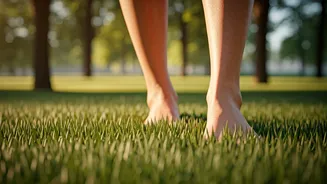
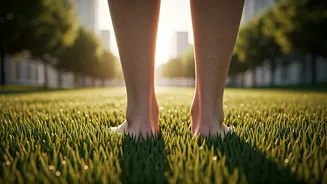
This new paradigm isn’t about abandoning healthy habits, but reframing them. Instead of a high-intensity interval training (HIIT) session you dread, it might be ‘joyful movement’ — a walk in the park without a tracker, dancing in your living room, or a gentle yoga class. Instead of a strict diet, it’s about ‘intuitive eating’, honouring your body’s hunger and fullness cues without guilt. Practices that regulate the nervous system are also gaining huge traction. Think less about ‘crushing a workout’ and more about somatic exercises, breathwork, and sound baths designed to move the body out of a state of chronic stress (fight-or-flight) and into a state of rest and safety. It’s a philosophy that finds profound resonance in India, where ancient practices like Yoga and Ayurveda have always emphasised the interconnectedness of mind, body, and spirit over purely physical metrics.
A Return to Community and Connection
Another key part of this shift is the move from hyper-individualism to community. The previous wellness wave often felt isolating—a solo journey of self-improvement. The new approach recognises that humans are social creatures and that our well-being is deeply tied to our connections with others. This is why we’re seeing a rise in group wellness activities that foster a sense of belonging. Think community walking groups, group meditation circles, and workshops that encourage vulnerability and shared experience. The focus has expanded from ‘self-care’ to ‘community care’. It acknowledges that sometimes the most healing thing you can do is not a face mask or a bath, but a long, supportive conversation with a friend. This reminds us that we don’t have to navigate our challenges alone; well-being can be a collective pursuit.